


















Correcting the Record: Decades after Organizing Her Own Unit, Leslie Ball Is Still Fighting for Her Coworkers
/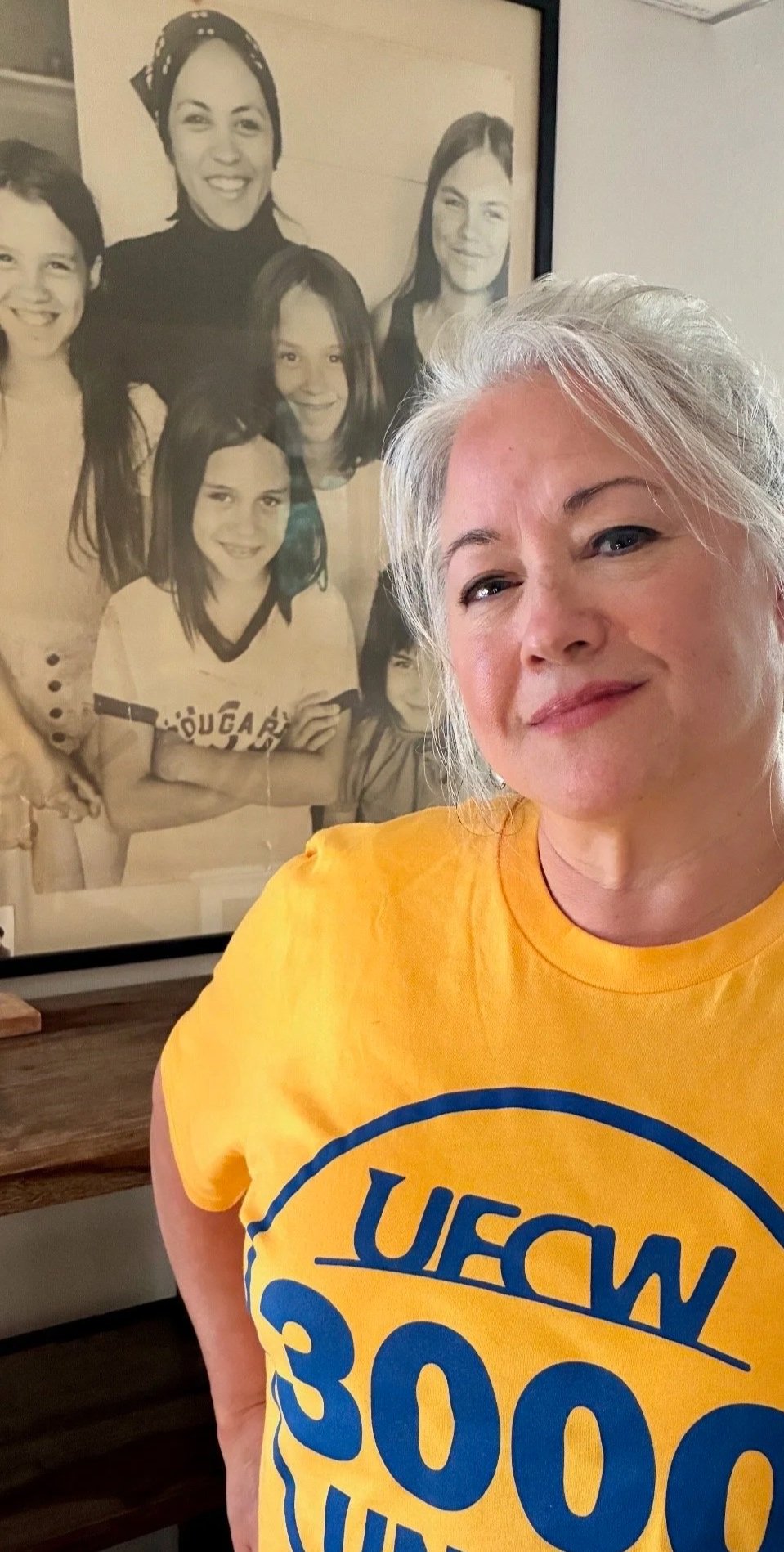
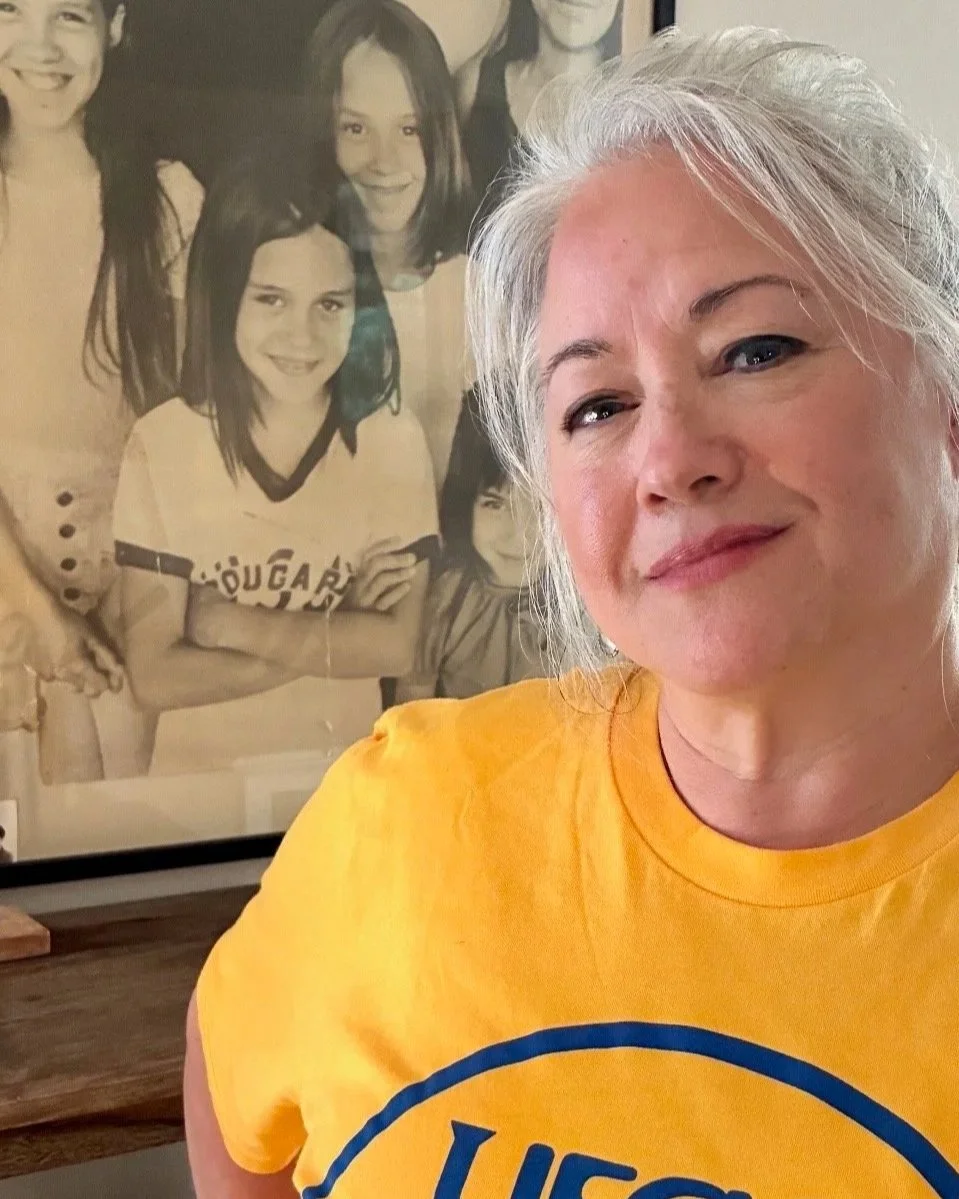
Leslie Ball, a certified surgical technologist at St. Joseph Medical Center in Tacoma and a longtime UFCW 3000 Union Steward, has spent decades standing up for herself and her coworkers.
Her fight for better working conditions began in the late 1990s, when she received a 30-cent wage increase, which ended up only being a five-cent raise after her employer reduced her shift differential by a quarter. With years of experience and a deep understanding of the value surgical techs bring to the table, she knew a nickel wasn’t going to cut it. So she and a coworker, Gail Miller, started organizing their colleagues at St. Joe's despite warnings that previous organizing efforts had failed.
Within a year, they helped Radiology, Respiratory Therapy, Pharmacy, Physical Therapy, and other departments form the hospital’s first Technical Unit, which ratified its first contract in 1999.
Nearly three decades later, St. Joe's has a new owner – CommonSpirit Health – and Leslie’s fighting even harder to protect and improve working conditions for herself and her coworkers.
In January 2025, she discovered that job postings on the CommonSpirit career site – as well as those on Indeed and ZipRecruiter – listed incorrect wage scales for positions covered by our contracts. The posting capped wages at the 75th percentile, potentially making union jobs appear to pay less than they actually did.
Leslie raised the issue with management and spent months gathering evidence and pushing leadership to correct the postings. She brought up the issue at an Operating Room meeting in July of that same year, and in October she presented St. Joe's leadership with documentation in hand.
The local hospital group’s leadership kicked the issue up to the regional and then the national CommonSpirit offices, further drawing out the process.
After CommonSpirit failed to respond 30 days later, Leslie filed a formal complaint with the Washington State Department of Labor and Industries in November 2025.
After filing this complaint, Leslie says workers began to see what they believed to be retaliation possibly from the regional or national corporate level. As workers pushed back, the state ruled that CommonSpirit’s job postings violated the law. After months of extensions requested by the company's legal team, the state ultimately required the employer to correct the postings by June of 2026 and pay a $500 penalty. Leslie says the corporation corrected the posts within minutes after the state imposed its final deadline.
For Leslie, the whole process that she and her fellow coworkers overcame points to a larger issue. She believes the increasingly centralized health care system has fostered a corporate management style that fails to serve workers and community.
Unstable staffing continues to contribute to burnout among union members and make it harder to provide the level of care patients deserve.
“We are negotiating with people who we cannot see. Those people feel pretty empowered by the systems that are now fully in place. The only thing that we can do is organizing to beat them, up to and including a strike,” she said.
In the face of an industry seeing mass consolidation, she continues to believe that workers have to stand together to protect their wages, their working conditions, and their patients.
“Solidarity and unity cannot be automated, outsourced, or overridden by the deliberate diminishment of knowledge," she said.