










WATCH: Winning Better Grocery Store Staffing at the Bargaining Table
/
Last week, our union and Teamsters 38 held a webinar to discuss our proposals to ensure better staffing at grocery stores across the region.
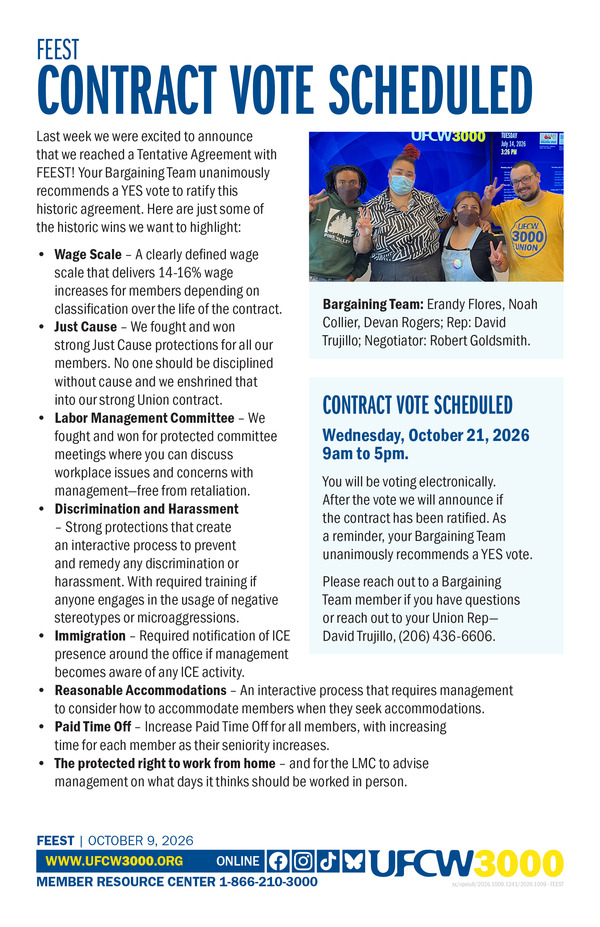
Read MoreAfter months of difficult negotiations, a powerful informational picket, and an overwhelming strike authorization vote, our Union Bargaining Team fought late into the night on October 8 and reached a tentative agreement on a new contract!
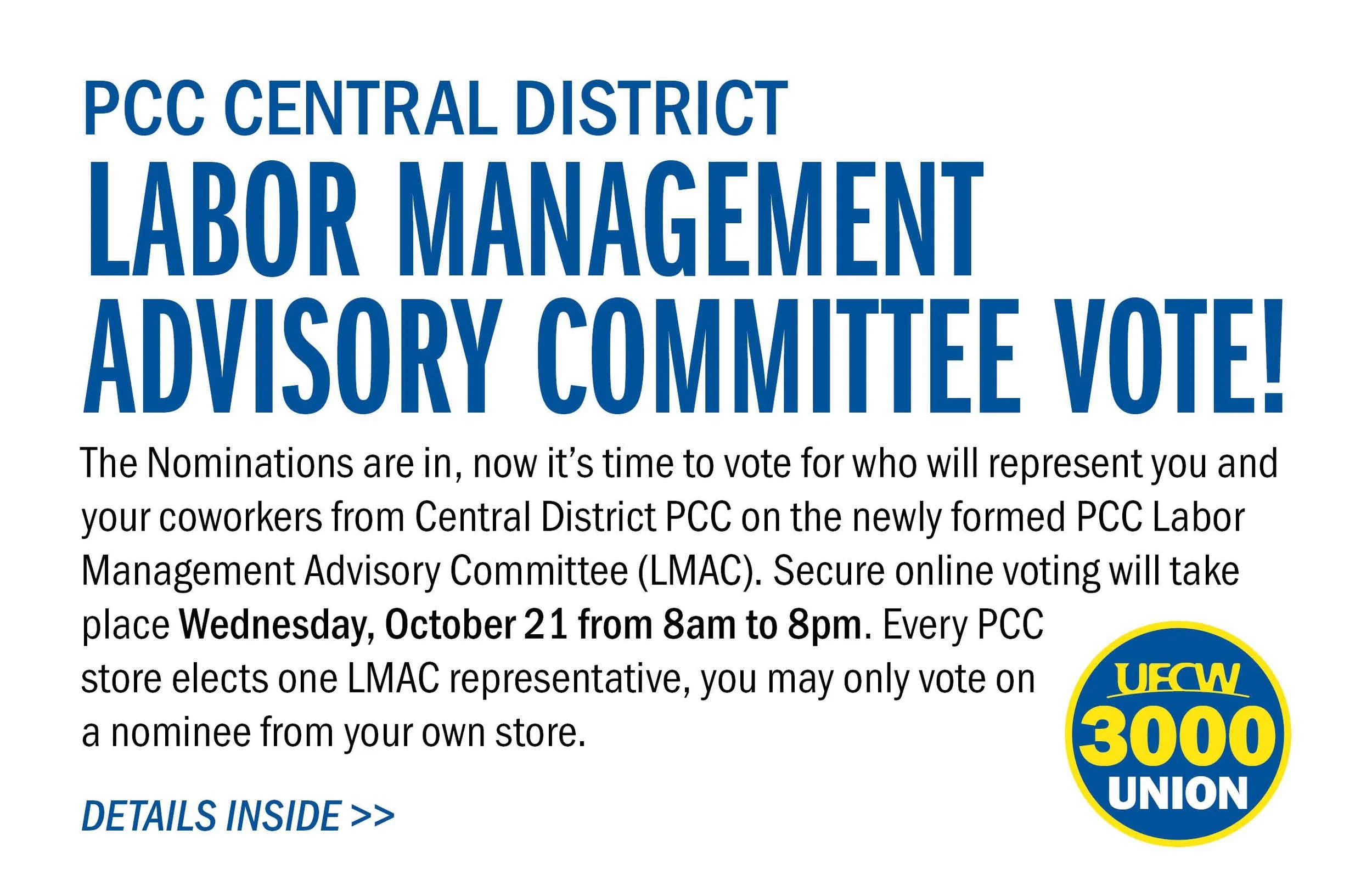
The Nominations are in, now it’s time to vote for who will represent you and your coworkers from Ballard, Central District, and Issaquah PCCs on the newly formed PCC Labor Management Advisory Committee (LMAC). Secure online voting will take place Wednesday, October 21 from 8am to 8pm. Every PCC store elects one LMAC representative, you may only vote on a nominee from your own store.
Following a series of highly attended vote meetings on Monday, October 5, union technical workers at St. Joseph Medical Center voted nearly unanimously to:
Reject CommonSpirit’s subpar contract offer
Authorize a STRIKE
“We set the stage and gave our comprehensive proposal letting the employer know that our priorities are to win wages that we deserve, improve our transportation benefits, win immigration protection language as well as ensuring the safety of our co-workers. We are eager to see what BDA’s response is on the 21. ” -Kota Owens, Bargaining Team Member
For the first time in history, on Tuesday, Sept 29, grocery store workers from across Washington State and North Idaho met at the same table to plan for our upcoming bargaining session with Kroger and Albertsons.
Our team met with the employer again today to continue bargaining. We have finally started discussing economics, focusing on health care and wages, which we know are our members’ top priorities. We've seen very little movement from the employer and know we need to start escalating.
Correcting the Record: Decades after Organizing Her Own Unit, Leslie Ball Is Still Fighting for Her Coworkers
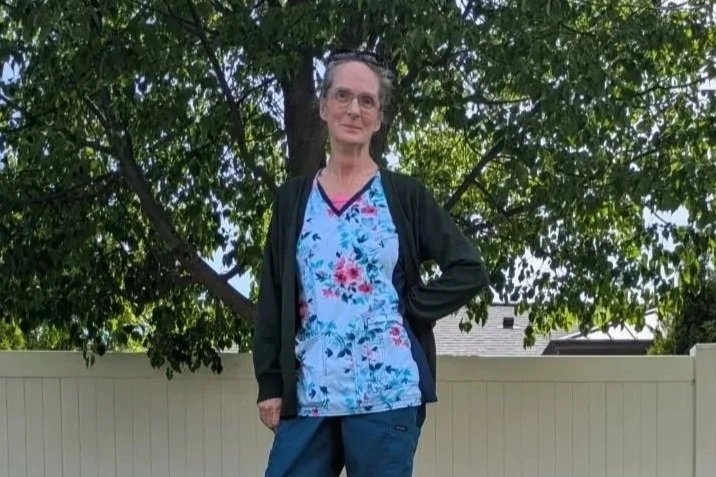
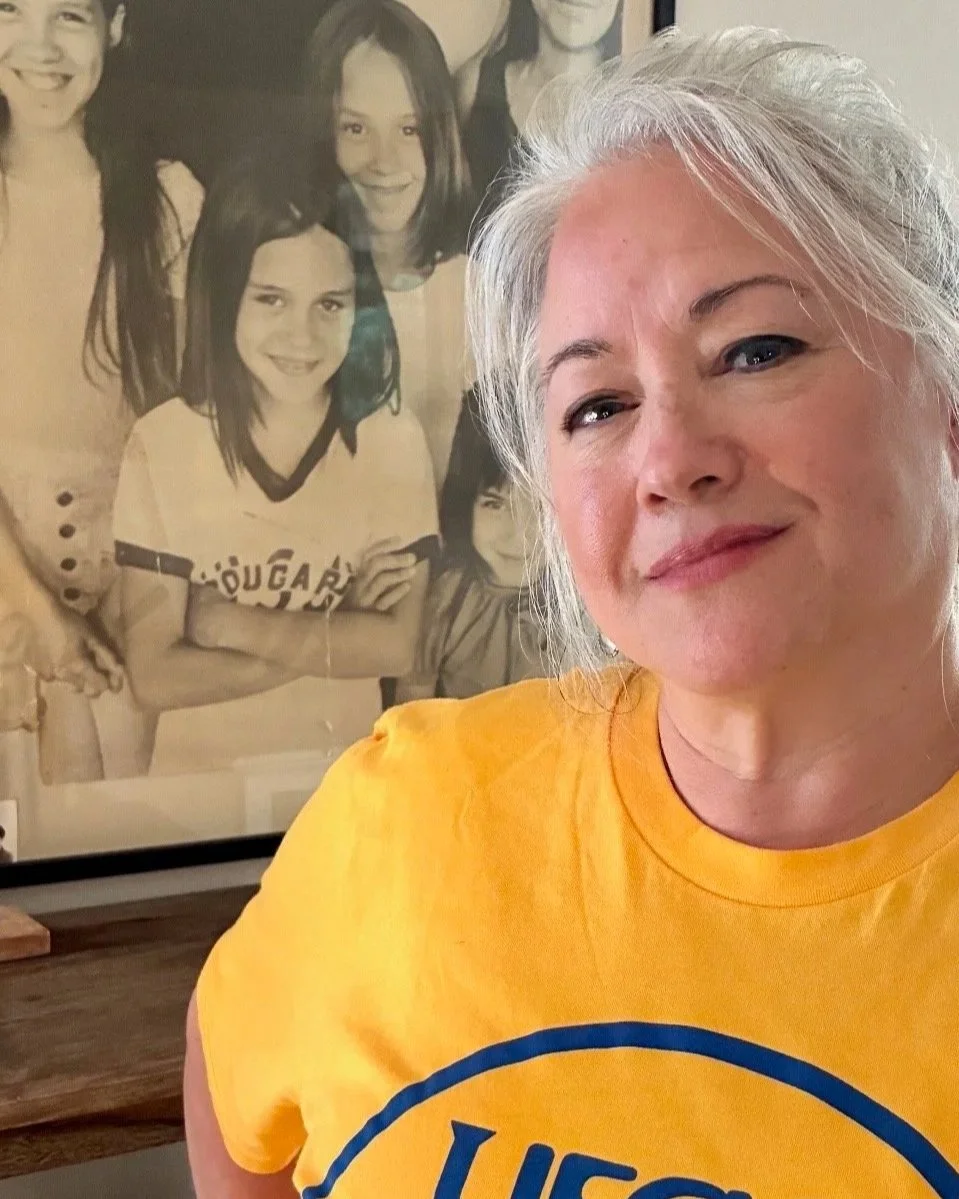
Leslie Ball, a certified surgical technologist at St. Joseph Medical Center in Tacoma and a longtime UFCW 3000 Union Steward, has spent decades standing up for herself and her coworkers.
Her fight for better working conditions began in the late 1990s, when she received a 30-cent wage increase, which ended up only being a five-cent raise after her employer reduced her shift differential by a quarter. With years of experience and a deep understanding of the value surgical techs bring to the table, she knew a nickel wasn’t going to cut it. So she and a coworker, Gail Miller, started organizing their colleagues at St. Joe's despite warnings that previous organizing efforts had failed.
Within a year, they helped Radiology, Respiratory Therapy, Pharmacy, Physical Therapy, and other departments form the hospital’s first Technical Unit, which ratified its first contract in 1999.
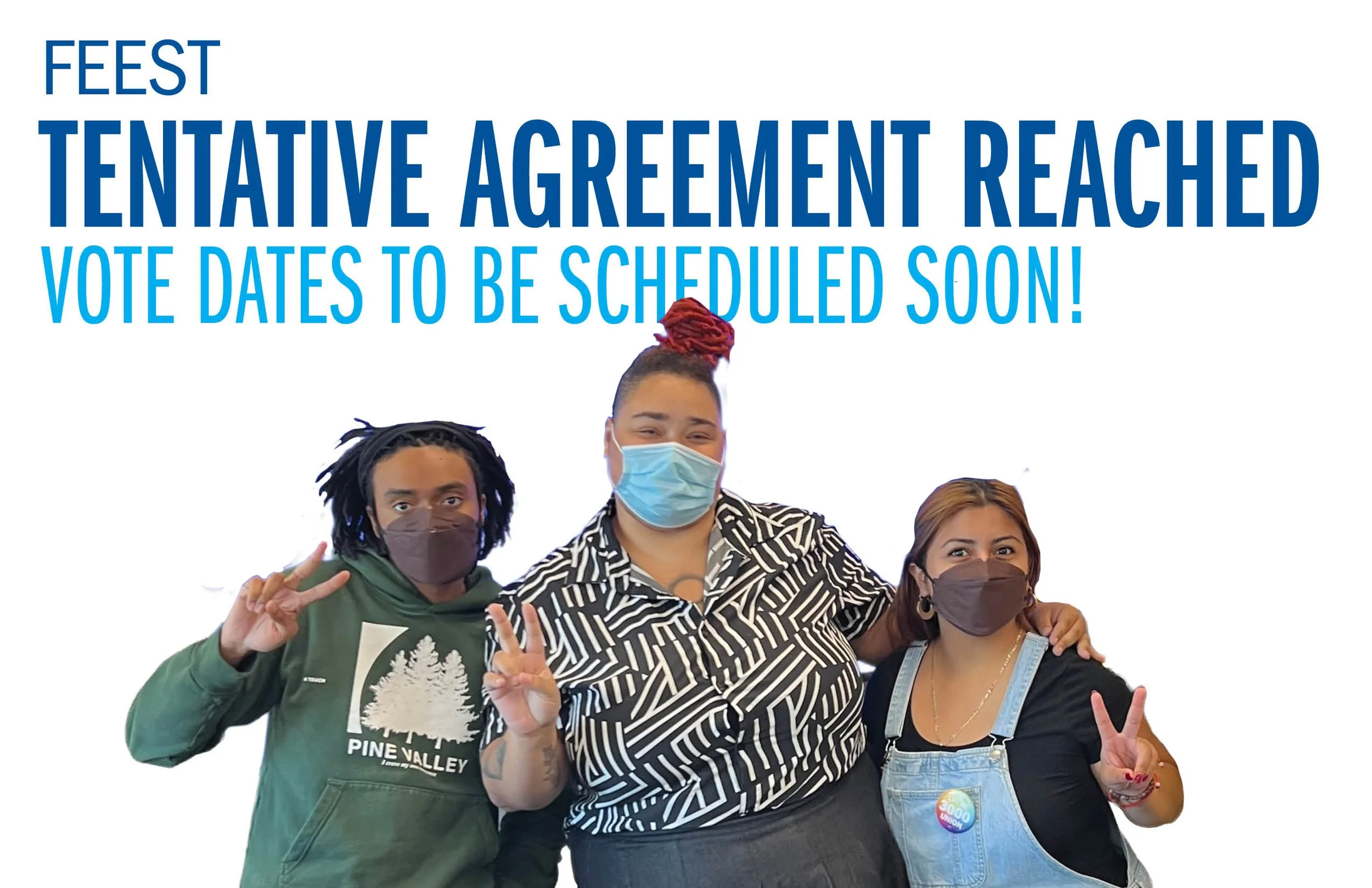
Please lookout for a vote notice once we can confirm when the ratification vote will take place. Members will all have a chance to review the vote documents and ask questions, we will also hold a meeting to discuss this historic TA very soon. Also, please thank your Bargaining Team! They worked very hard.
We’re getting ready to head to the bargaining table, and we want to hear from you!
Join our Union Bargaining Team for a Bargaining Kick-Off Meeting to talk about the upcoming negotiations, review bargaining priorities, discuss the bargaining process, and answer questions.
This is your opportunity to get involved, share what matters most to you, and help shape our priorities as we prepare for bargaining.
Meeting ID: 821 3753 7914 Passcode: 251390
Get Involved!
Strong contracts are built when members stay informed and involved. Join us as we kick off bargaining and make sure Jefferson County members’ voices are heard at the table.
We look forward to seeing you and hearing from you!
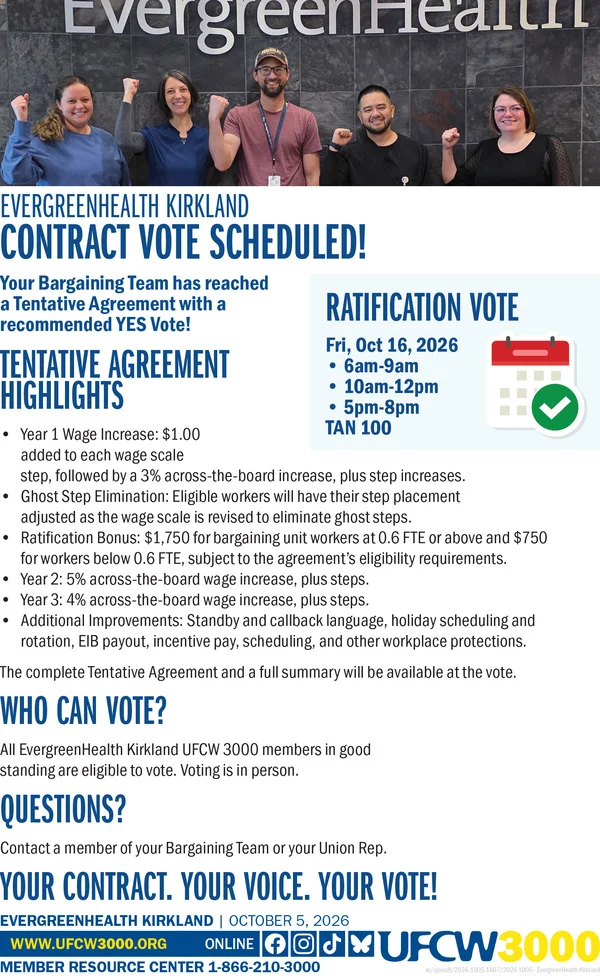
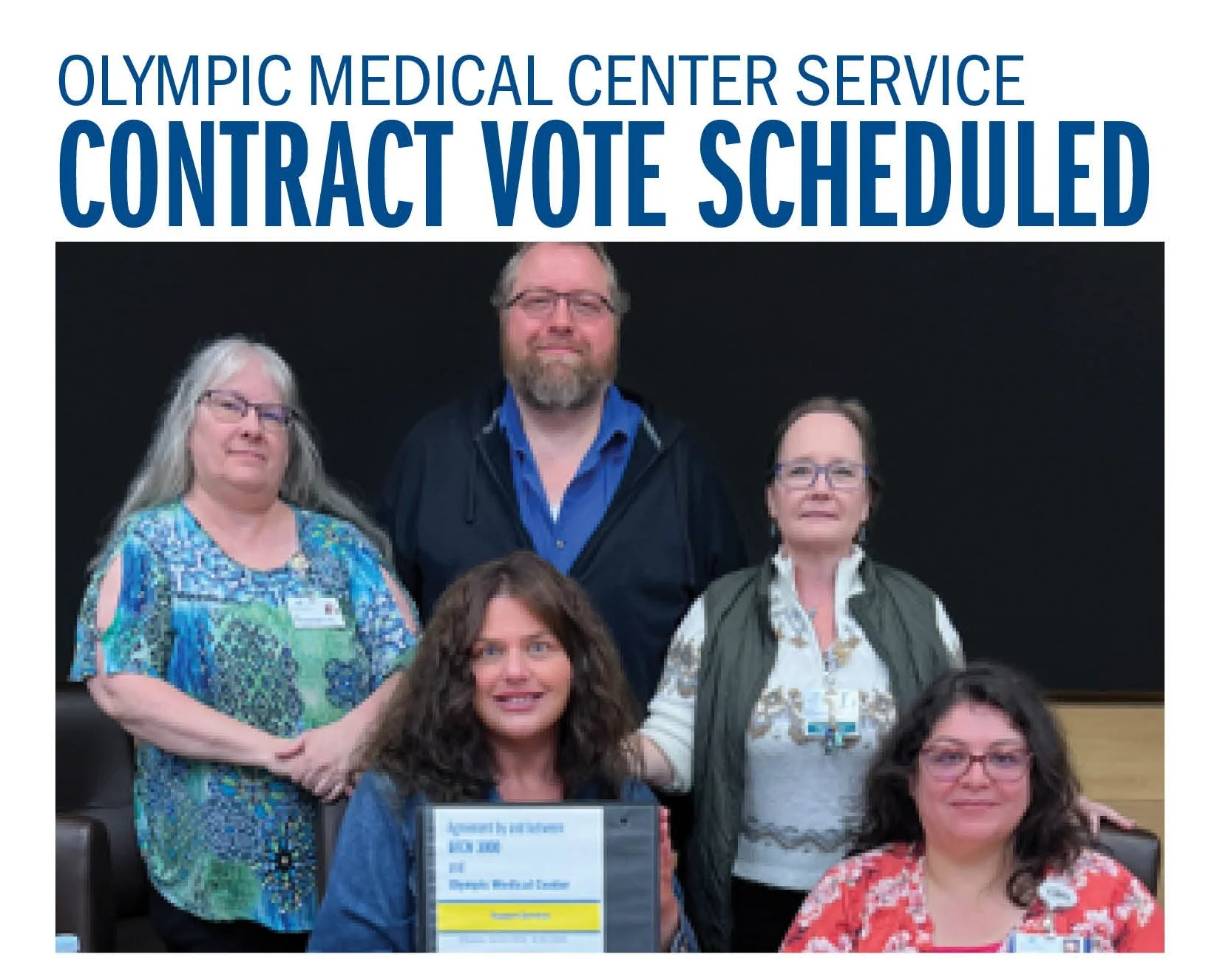
Our Union Bargaining Team has reached a Tentative Agreement with Olympic Medical Center and is recommending a YES vote!
After ten sessions across six months of negotiations, our union Bargaining Team reached the difficult but necessary decision to call for a strike authorization vote.
We’ve come to management with contract language addressing our positions being overstaffed by agency & traveler employees. Management have come to us rejecting this proposal.
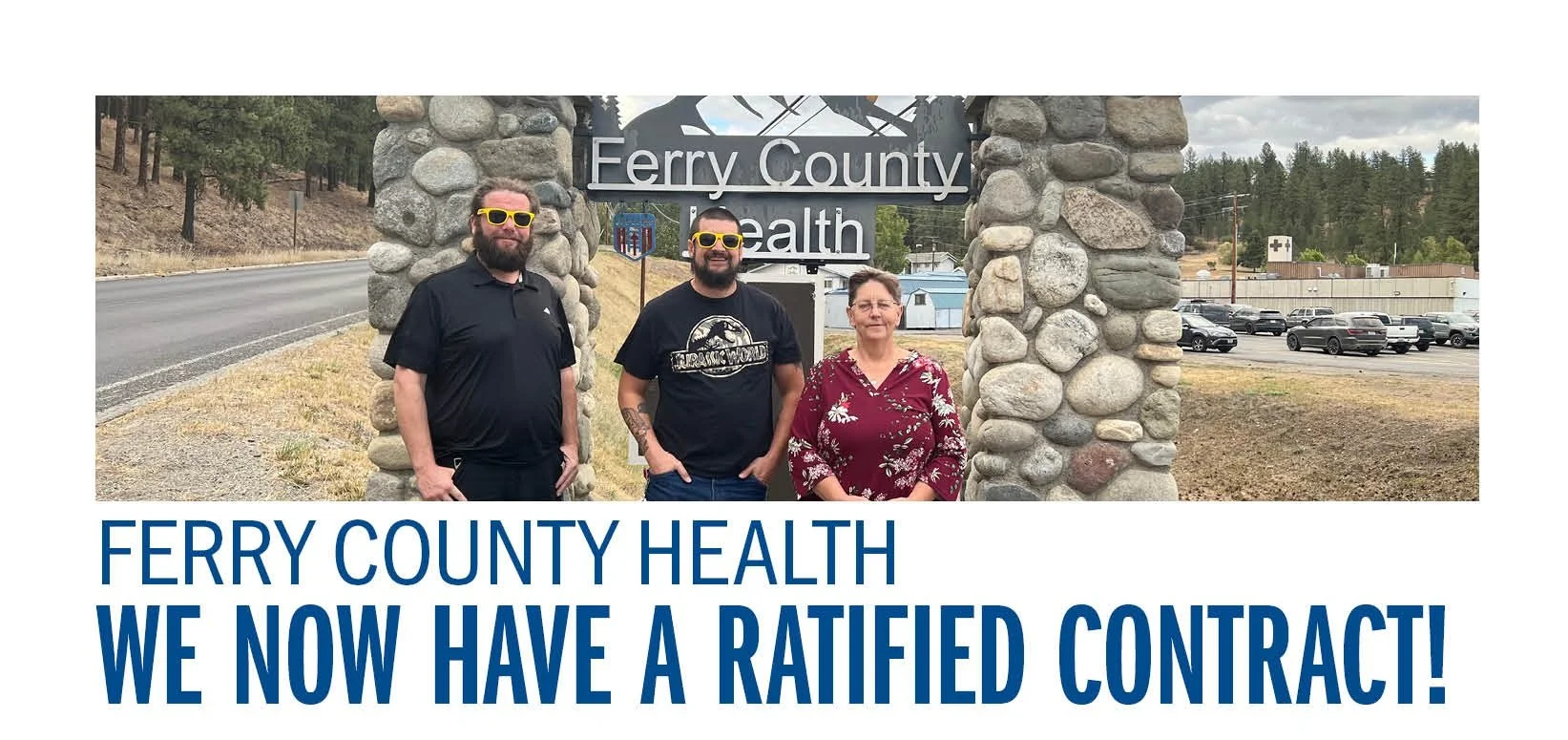
Our Bargaining Team is thrilled to announce that on September 22, 2026, an overwhelming majority of our members voted YES and approved the contract! We now have a ratified contract!
Our Union Bargaining Team has been working for several months on an agreement to transition Audiology Assistants and Pathologist Assistants into the existing UFCW 3000 Kaiser Permanente Pro Tech Optical Contract and we have reached a tentative agreement. The Bargaining Team fully recommends this agreement.
SEATTLE – Today the Seattle City Council passed Mayor Katie Wilson’s Fair Pricing and Transparency ordinance with no corporate amendments that open the door to algorithmic pricing or weaken enforcement, making Seattle home to the strongest ban on surveillance pricing in the country.
The employer joined us for two bargaining sessions on September 17 and 18. They have hired a new legal counsel who seemingly is trying to set a different, more collaborative tone with our union. We reached Tentative Agreements on several topics, including an Artificial Intelligence Memorandum of Understanding and an Inclusion Memorandum of Understanding to help protect some of our members who are part of marginalized communities.
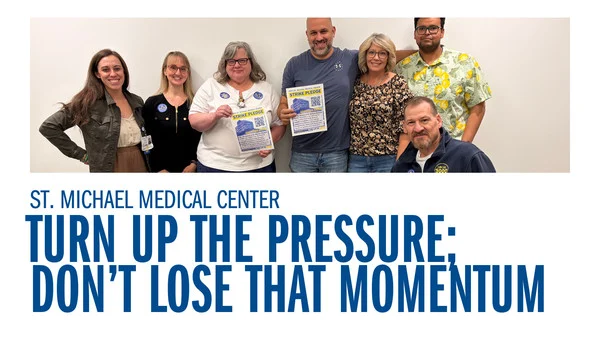
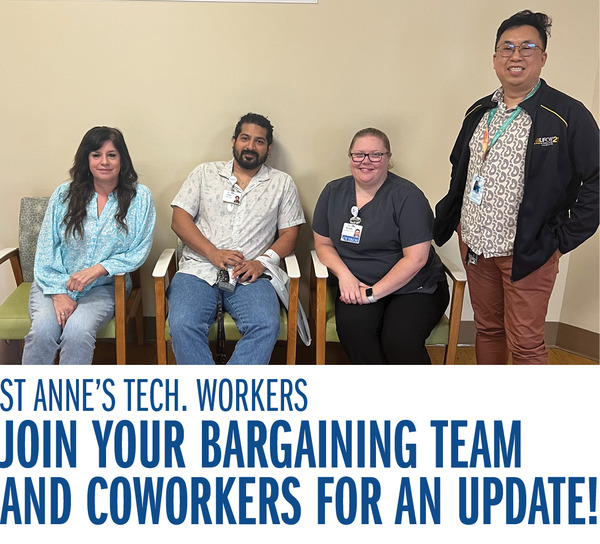
Join your Bargaining Team and coworkers for an update on the current bargaining campaigns on Tuesday, Sept 22, 5:30-6:30pm. We will give updates on the St. Michael and St. Joseph bargaining and how we can build power together. Please show your support for your bargaining teams by wearing your union swag with pride every day, but especially today, September 18, for our next bargaining session.
Any questions can be addressed to Charlie King at 360-409-0606 or a Bargaining Team Member.
Last week, our union and Teamsters 38 held a webinar to discuss our proposals to ensure better staffing at grocery stores across the region.
Read More
For immediate release: Monday November 23, 2020
Contact: Tom Geiger. 206-604-3421
Grocery store workers here in Washington and around the nation continue to go to work every day, risking exposure to the deadliest virus in over one hundred years. Despite these risks and the dramatic increase in sales and profits that grocery stores have recorded since the beginning of the pandemic, the hazard pay that had been put in place in March was cut by early summer. Workers are also feeling a lack of sufficient staffing at a time when the need for sanitizing and breaks are paramount. Unionized workers have continued to press for the hazard pay and improved safety procedures. With the recent new spikes of exposure, positive cases and deaths, workers are re-doubling efforts for safety, staffing and hazard pay.
Background:
Nine months into the pandemic front line workers like grocery store workers are still going to work every day, exposed to the virus and concerned with safety. Early on during the pandemic, many stores like Safeway, QFC and Fred Meyer began paying workers an additional $2 an hour in hazard pay. In addition, we won increased safety protocols grocery store workers had been demanding, such as frequent disinfecting, wiping down carts and check-out stands, installing plexiglass, limiting the number of people inside the store to be able to allow shoppers to socially distance, asking shoppers to wear masks and allowing workers to take frequent breaks to wash hands and maybe get some fresh air.
At the very beginning of March 2020 our nation had its second recorded death from Covid. By the end of that month, the death toll had surpassed 1,500. By the early summer, in all counts, the pandemic had already taken a massive toll, was still out of control, and there was no end in sight. However, while profits and sales at grocery stores soared, workers’ hazard pay was inexplicably cut. Workers who continued to do essential and hazardous work were apparently not worth the extra $2 an hour. Unionized workers’ protests delayed the pay cuts in some places for a month, but by mid-summer, it was all taken away.
Fast forward to today: our nation has recorded over a quarter million COVID deaths. The slow-down in daily rates of infection and deaths has now turned around, with spikes and new records set throughout the month of November. Workers continue to be exposed, but safety protocols in many stores seem to have become more lax, and reduced staffing has made it very difficult to take the time to do the extra work required to disinfect the store, check-out stations and carts, as well as making it hard to take more frequent rest breaks to wash hands and get fresh air. And the hazard pay that was cut from workers’ weekly checks has still never been reinstated.
Unionized grocery store workers in Washington and around the nation this week are calling out for improved safety, including safer staffing, and a reinstatement of hazard pay for hazardous work.
"As a grocery cashier, at least at my store, the best analogy I can give you is that every day is like that Snowmageddon period, where we had lines as far back as we could see, and we didn’t have enough cashiers. Customers are so used to it that they don’t even think about complaining, and the corporate heads think they can get by with it. It’s not because they can’t hire enough people; they’ve hired plenty of people. They just want to have a minimum crew and maximum profits. So we get worked to death because there’s fewer of us doing the work of many. - Wil Peterson, 17-year Kroger employee
"To my customers, I say you don’t need to be accepting these long lines. We have 13 check stands in my store. Today there were only 2 cash registers open. This is ridiculous. We’re speaking up about it. We’re working through our union to get a safer store. The way it is now means more strain on everybody — more work for us, customers in the store longer, backed up in the aisles, even though experts seem to say people should keep their shopping trips to 30 minutes. How can they do that if corporate isn’t listening to them and to us?" - Wil Peterson, 17-year Kroger employee
“I just also want the company to work to keep me safe, and not run me into the ground. Our work is a lot more stressful than it used to be. In our department, we’ve grown in size but we’ve grown even more in how many orders are coming in. Everyone is tired. Everyone is getting worn down. Sections of the store can get so crowded, it’s impossible to keep social distancing and still meet our timelines for fulfilling orders. And I’m very conscious of the risk I’m exposed to. My partner is a nurse, and we have a lot more potential exposure than the people we know who can work from home. That risk is something that I don’t get to leave behind when I leave work—I carry it home with me. My job takes up so much more space in my life now.
On top of all this, on top of them cutting the hazard pay we were getting at the beginning of the pandemic, we’re getting squeezed to be more productive. We push trolleys with the orders we’re preparing all around the store, and they just increased the capacity of those trolleys by 50%. Now they’re so big we can’t see past them around corners, and they’re 50% heavier to push around all day. Lately, the only things any of us are talking about is how tired and sore we are. People are saying they don’t know how much longer they can stay. We are working on these issues through our union, but if our employers can’t commit to keeping us safe, we’re going to lose people who are experienced, who know how to do this work and care about it.” - Amanda, QFC Clicklist
“Through all of this, wanting to give good service, keep our workplace safe for ourselves and our customers, we’re getting nothing from our employers. We got a small amount of hazard pay in the spring and then it was taken away, just like that. They just put $100 on our Advantage cards recently as a little bonus, and it feels like a slap in the face. “

Click here to file a safety report on your neighborhood store and help keep our Grocery Store Workers and our Communities safe.
“We’re back in the throes of it all. We’re here working on the front lines and we don’t feel appreciated. It’s not fair. I’m pissed off. I’m tired. My family’s health care depends on this job. I’m a cancer survivor and I’ve fought to maintain our great union health care for years, I’m proud to work here. I love my customers, but this is so hard. “
“We need hazard pay. We need fully staffed stores so we can keep ourselves and our customers safe. We need respect from our employers—we’re the ones running these stores every day. “ -Amy, QFC
Our next step is to fight and win a good collective bargaining agreement! We will be having a Zoom Webinar on Tuesday, July 21 from 5pm to 6:30pm to talk about contract bargaining and to answer any questions. In addition, a bargaining survey has been sent out via email to both units. We will compile survey results, comments from the Webinar, and your bargaining committee’s advice to create our first contract proposal. Please attend the Zoom meeting or fill-out the bargaining survey to have your voice heard!
Please register with the following link and an email with the Zoom Webinar link will be sent to your email: https://us02web.zoom.us/webinar/register/WN_Ev5wvrSNQJqvsO_dFE667w
OR
If you do not have a computer/smartphone, you may call in
Phone: (253) 215-8782
Webinar ID: 824 2705 5245 (no password required)
If you have questions please contact your Union Rep, Erin McCoy (206) 436-6598
We are the Union. The members of UFCW 3000 are over 50,000 members working in grocery, retail, health care, meat packing, cannabis, & other industries across Washington state, north-east Oregon, and northern Idaho. UFCW 3000 is a chartered member of UFCW International with over 1.4 million workers in North America.
To build a powerful Union that fights for economic, political and social justice in our workplaces and in our communities.


Correcting the Record: Decades after Organizing Her Own Unit, Leslie Ball Is Still Fighting for Her Coworkers
Leslie Ball, a certified surgical technologist at St. Joseph Medical Center in Tacoma and a longtime UFCW 3000 Union Steward, has spent decades standing up for herself and her coworkers.
Her fight for better working conditions began in the late 1990s, when she received a 30-cent wage increase, which ended up only being a five-cent raise after her employer reduced her shift differential by a quarter. With years of experience and a deep understanding of the value surgical techs bring to the table, she knew a nickel wasn’t going to cut it. So she and a coworker, Gail Miller, started organizing their colleagues at St. Joe's despite warnings that previous organizing efforts had failed.
Within a year, they helped Radiology, Respiratory Therapy, Pharmacy, Physical Therapy, and other departments form the hospital’s first Technical Unit, which ratified its first contract in 1999.
Jenny C., a transporter at Providence Sacred Heart Medical Center in Spokane, knows what it looks like when management hopes a problem will just go away.
Jenny has watched the facility's transport elevators malfunction for more than a year, filing report after report after each incident she witnessed. Supervisors did not appear to take these complaints seriously.