Conifer St. Elizabeth - United for a Fair Contract

2020 0403 - Conifer St Elizabeth Update.jpg

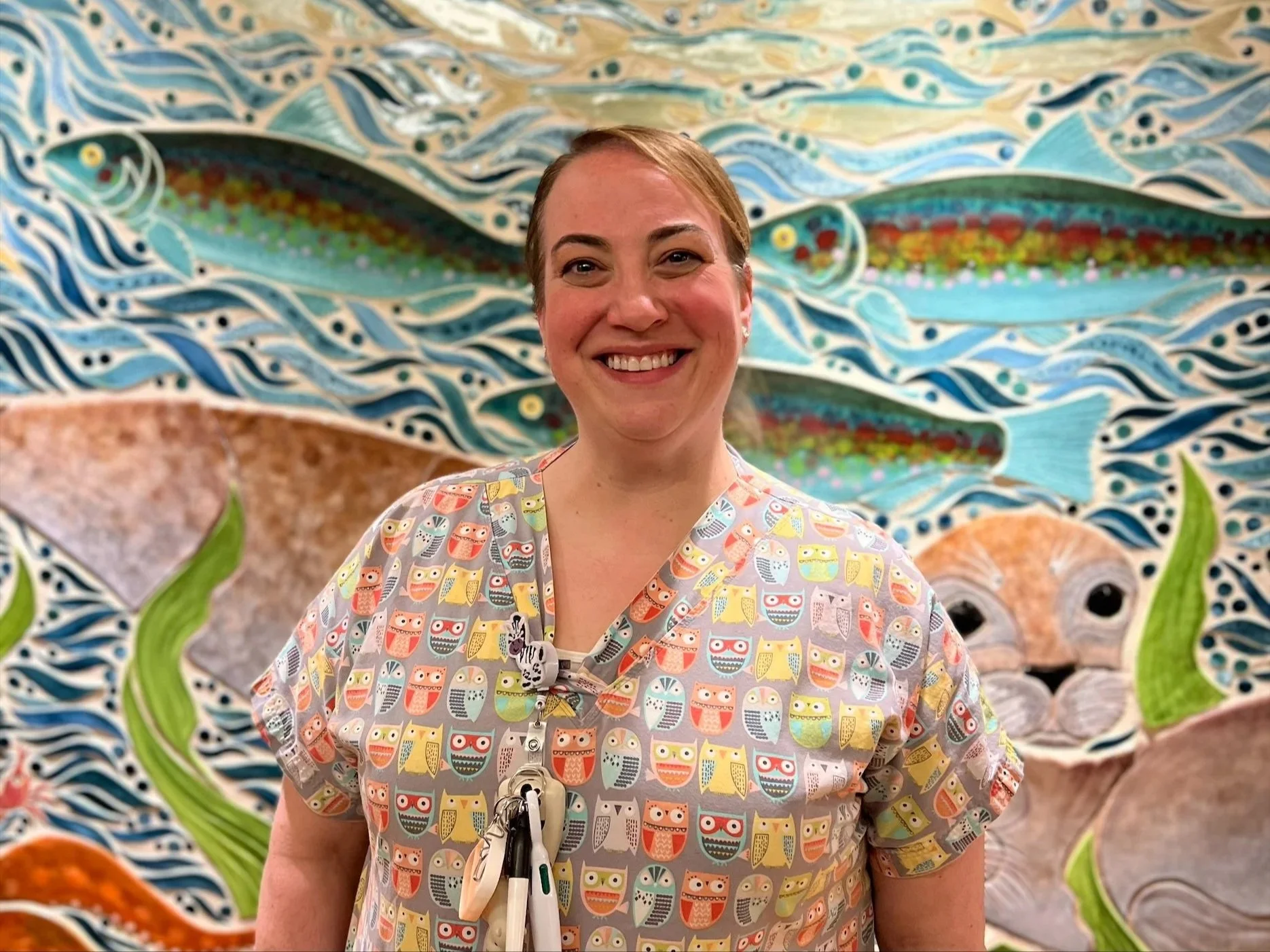
Conifer St. Elizabeth members met with Management on April 1 and April 2 to continue negotiations via Video Conference to resolve on-going issues and send out our economic proposals.

“We have made forward progress on some issues but we are still very far apart on the issues that matter most to us. We are committed to standing strong during this home stretch but we need you all to stand with us now more than ever and show Conifer St. Elizabeth that we are serious and united in this fight for a fair contract!”

Margaret “Peggy” Laush, Bargaining Team Member

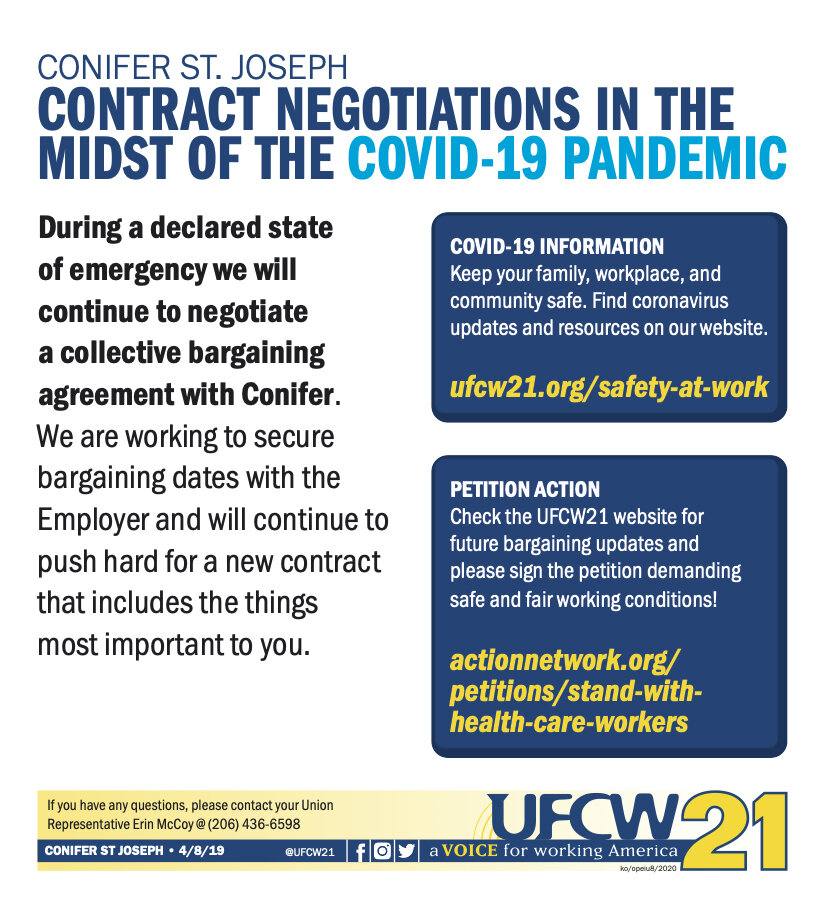
Contract Negotiations in the Midst of the COVID-19 Pandemic

2020 0408 - Conifer St Joseph.jpg

During a declared state of emergency we will continue to negotiate a collective bargaining agreement with Conifer. We are working to secure bargaining dates with the Employer and will continue to push hard for a new contract that includes the things most important to you.

COVID-19 INFORMATION

Keep your family, workplace, and community safe. Find coronavirus updates and resources on our website.

PETITION ACTION

Check the UFCW 21 website for future bargaining updates and please sign the petition demanding safe and fair working conditions!

If you have any questions, please contact your Union Representative Erin McCoy @ (206) 436-6598

Unions demand hazard pay for health care workers

FOR IMMEDIATE RELEASE:

Tuesday,, April 7, 2020

CONTACT:

Amy Clark,
SEIU Healthcare 1199NW
amyc@seiu1199nw.org
425-306-2061

Ruth Schubert, Washington State Nurses Association
rschubert@wsna.org 
206-713-7884

Sarah Cherin, UFCW 21
scherin@ufcw21.org
206-436-6580 


Unions demand hazard pay for health care workers

SEIU Healthcare 1199NW, UFCW 21 and WSNA call for pay increases for all frontline health care workers

Seattle, Wash.— Since even before the first COVID-19 death in late February, frontline health care workers have been working under extraordinarily difficult conditions, without the protective equipment they need to ensure their safety and the safety of their patients. In the face of a national shortage in respirators, masks and other protective equipment, nurses and other health care workers are reusing or going without equipment that is considered standard under normal circumstances. They are putting their lives on the line to save the lives of others.

In view of these extraordinary circumstances, the Washington State Nurses Association, SEIU Healthcare 1199NW and UFCW 21 issued the following joint statement demanding hazard pay for health care workers as they face this pandemic: 

“Every day, we go to work to care for patients and keep our hospitals and health care facilities open, despite the fact that we still have not received enough personal protective equipment (PPE) to keep ourselves safe.”

“Nurses, techs, respiratory therapists, and service and maintenance workers in health facilities are putting our own lives on the line to respond to this crisis. Simply coming to work puts us at heightened risk. At the same time, we are dealing with new economic challenges and hardships brought on by the crisis.”

“UFCW 21, SEIU Healthcare 1199NW and WSNA call on hospitals and health systems across Washington to recognize the heroic efforts of workers on the frontlines of this pandemic by providing hazard pay increases to all health care workers for the duration of the crisis.”

“We cannot put on a price on unsafe working conditions, and hazard pay does not make up for the lack of proper equipment and support. But it does reflect the lived reality that these workers are putting their health and their lives on the line to ensure that our entire state has a fighting chance to beat this pandemic.”


About SEIU Healthcare 1199NW

SEIU Healthcare 1199NW is a union of nurses and healthcare workers with over 30,000 caregivers throughout hospitals, clinics, mental health, skilled home health and hospice programs in Washington state and Montana. SEIU Healthcare 1199NW’s mission is to advocate for quality care and good jobs for all. 

About WSNA 

WSNA is the leading voice and advocate for nurses in Washington state, providing representation, education and resources that allow nurses to reach their full professional potential and focus on caring for patients. WSNA represents more than 19,000 registered nurses for collective bargaining who provide care in hospitals, clinics, schools and community and public health settings across the state. 

About UFCW 21 

UFCW 21 is working to build a powerful union that fights for economic, political and social justice in our workplaces and our communities. We represent over 45,000 workers in retail, grocery stores, health care, and other industries in Washington state. 

Kroger Agrees to Limit Customers After Members Demand Action 

Members have been calling for a limit to the number of customers in stores at one time so we can do our jobs safely and protect our customers and community. Crowding and congestion in stores and lines puts everyone at higher risk for contracting COVID-19. After almost 5,000 people signed our Grocery Store Workers Demand Action petition calling for safety measures including limiting customers, Kroger has started to move. 

This week Fred Meyer and QFC stores will

  • Limit the number of customers to 50% of building code capacity 

  • Test one-way aisles in some stores 

  • Supply masks and gloves in all locations by the end of the week 

  • Close early on Sunday, April 12 

These customer limits do not go as far as Safeway/Albertsons, which is limiting customers to approximately 30% of store capacity. But it’s important that Kroger is listening and starting to make real changes. 

When we stand together, we get things done. Let’s work together to hold management accountable to these promises. If your store is not implementing these procedures by the end of the week, call your Shop Steward or Union Rep, or email us at safetyreport@ufcw21.org.  

If at any point your store is not following social distancing guidelines, you can report them (anonymously or with your name) to the state with this reporting tool

There is more work to be done. If you would like to take further action at your store for better safety practices, contact your Union Rep at 1-800-732-1188

Washington State’s Department of Labor and Industries on Protecting Grocery Store Workers

Our state’s Department of Labor & Industries (L&I) has produced a document with their recommendations for grocery stores to ensure that stores comply with the state’s social distancing requirements. Find a printable PDF of this document on the L&I website here. 

If you think your store is not following social distancing protocols, there are lots of ways to report that, including via safety and health complaints or through the state’s COVID-19 social distancing report form, or by emailing UFCW 21 at safetyreport@ufcw21.org

Coronavirus (COVID-19): Protecting Grocery Store Workers 

The Department of Labor & Industries (L&I) requires employers to implement the Governor’s proclamation. Employers must ensure social distancing for employees and customers; frequent and adequate handwashing; and that sick employees stay home. Employers must also provide basic workplace hazard education about coronavirus and how to prevent transmission in languages best understood by employees. 

Workplace Discrimination 

It is against the law for any employer to take any adverse action such as firing or threats against a worker for exercising safety and health rights such as raising safety and health concerns to their employer, participating in union activities concerning safety and health, filing a safety and health complaint or participating in a Division of Occupational Safety and Health (DOSH) investigation. Workers have 30 days to file their complaint with L&I DOSH and/or with Federal OSHA. 

Ideas for an Effective Social Distancing Plan: 

  • Limit the number of customers entering the store to facilitate social distancing at store entrances, throughout store and at check-out lines.  

  • Require all workers to stay at least six feet away from customers and coworkers.  

  • Temporarily mark six-foot increments (using adhesive colored tape, chalk, etc.) on the ground or floor to ensure social distancing.  

  • Post large print attention-grabbing signs readable from a far distance (or use portable, electronic reader boards) that inform customers of social distancing practices.  

  • Designate workers to monitor and facilitate distancing at check-out lines.  

  • Discontinue self-serve foods, free sample stands and product demonstrations. 

Ideas for an Effective Handwashing Plan: 

  • Install hand-sanitizing dispensers at store entrances and at key locations inside for customers.  

  • Ensure all workers know why and how to effectively wash hands for at least twenty seconds.  

  • Require workers to wash hands frequently with soap and water for at least twenty seconds, such as when they arrive at work, leave their workstations for breaks, eat, use tobacco, and after handling money.  

  • Ensure gloves are used for cart retrievers, handling money, common use of the same cash register or keypad by different cashiers, food safety and cleaning.  

  • Set up a schedule to keep these supplies well stocked and trash emptied. 

Ensure Sick Workers Are Not at Work:  

  • Monitor employees for signs of illness and require sick workers to stay home.  

  • Ensure employees know the signs and symptoms of COVID-19 caused by coronavirus exposure. 

Ideas for Providing Basic Workplace Hazard Education About Preventing Coronavirus Transmission: 

  • Instruct all workers on social distancing, handwashing, and other store-wide safety procedures related to coronavirus.  

  • Teach workers the importance of hand washing before eating, drinking, or using tobacco.  

  • Advise on respiratory etiquette, including covering coughs and sneezes and not touching eyes, noses, and mouths with unwashed hands or gloves.  

  • Prohibit sharing utensils, phones, work tools, and other workplace items that are not sanitized.  

  • Communicate important safety messages/ updates daily with methods such as posters, reader boards, etc. 

Checkout Stands and Counters Considerations  

  • Consider closing self-check stands if not all surfaces can be sanitized between customers and if it is not possible to ensure at least six feet between users.  

  • Consider installing “sneeze shields” at check stands, and ask customers to stand behind them, or relocate pay station key pads further away from worker.  

  • When supplies are available, provide disposable wipes/hand sanitizer at check-out stands for employees and customers (e.g. at key pads, registers, bagging area).  

  • Prohibit reusable shopping bags and provide single use bags for groceries. 

Stocking and Surface Cleaning 

  • Schedule as much stocking and deep cleaning as possible during closing hours. If a 24-hour store, stock during the slowest period of the night.  

  • Appoint a designated sanitation worker(s) at all times to continuously clean and disinfect high-touch surfaces on a significantly increased schedule. Use the environmental cleaning guidelines set by the CDC.  

  • When disinfecting for coronavirus, the EPA recommends using the longest recommended contact time and/or most concentrated solution per the label.  

  • Be sure to follow the label directions for FOOD CONTACT SURFACES when using the chemical near or on utensils and food contact surfaces.  

  • Use protective gloves and eye/face protection (e.g. face shields and/or goggles) when mixing, spraying, and wiping with liquid cleaning products, like diluted bleach. 

Other Protective Measures 

  • Provide ways for workers to express any concerns and ideas to improve safety.  

  • Alert store managers or shift supervisors of strategies on handling customers or workers who are not following social distancing practices or demonstrate signs of illness during the visit. For example, it might be helpful to move a coughing customer out of line to a separate checkout station distant from others.  

  • Update store Accident Prevention Program (APP) to include awareness and prevention measures for diseases and viruses.  

Resources 

L&I’s COVID-19 webpage 

County Public Health Grocery store guidance with downloadable posters here  

WA Food Industry Association: www.wa-food-ind.org/Covid-19 

Get help  

For a free safety and health consultation go to http://www.Lni.wa.gov/SafetyConsultants or call 1-800-423-7233 or visit a local L&I office. 

Members Demand Action, Safeway and Albertsons Listen and Begin Limiting Customers This Week

Members have been calling for a limit to the number of customers in stores to allow us to do our jobs safely and protect our customers and community. When there is crowding and congestion in stores and lines, everyone is put at higher risk of contracting COVID-19. Almost 5,000 people have signed our Grocery Store Workers Demand Action petition that calls for limiting customers along with other safety measures, and Safeway and Albertsons have listened.

Starting this week and completing rollout by the end of the week, Safeway and Albertsons stores are implementing new safety protocols in Washington State, including:

  • Limiting the number of customers in the store at one time to roughly 30% of the store’s capacity

  • Implementing one-way aisles

  • Providing masks to workers

Work with your coworkers and your Shop Steward to hold your store accountable to these promises. If your store is not implementing these procedures by the end of the week, call your Union Rep or email us at safetyreport@ufcw21.org.

If at any point your store is not following social distancing guidelines, you can report them (anonymously or with your name) to the state with this reporting tool.

If you would like to take further action in your department or your store for better safety practices, contact your Union Rep at 1-800-732-1188.

April 6: Telephone Town Hall Call about safety, resources, and next steps

Join us on Monday, April 6 as we discuss safety, resources and ask questions.

We will call between 6:30-6:40pm, all you have to do is answer the call and you will be on the Telephone Town Hall. Press '0' at any time to ask a question. If you miss the outgoing call, you can join by dialing (855) 832-7463.

Health Care Members: We are holding a call at 7:30pm to discuss safety, resources, and next steps. We will also have guest speakers and members on the line to answer questions. Press '0' at any time to ask a question. If you miss the outgoing call, you can join by dialing (855) 832-7463.

St. Joseph Tech Update - Bargaining Continues

2020 0406 - St. Joseph Update.jpg

Our Bargaining Team has had several bargaining sessions with Management. Due to the COVID-19 outbreak, the most recent was held via telecommunications.

We are working on core issues around staffing and wages. We need the employer to come to the table with a fair offer that meets the needs of our membership.

COVID-19 INFORMATION
Keep your family, workplace, and community safe. Find coronavirus updates and resources on our website.

PETITION ACTION

Check the UFCW21 website for future bargaining updates and please sign the petition demanding safe and fair working conditions!

Harrison Medical Protech - Bargaining Begins

2020 0331 - Harrison Medical Protech Update.jpg

Our Bargaining Team met with Management on March 26. We gave our first proposal, which includes stronger safety committee, promotion and new employee orientation language. Our next bargaining date is April 15. 

“Even though we met apart, we came together for a productive first day of bargaining!” 

- Harrison Protech Bargaining Team

BARGAINING TEAM: Judi Shoesmith; Kain Mcleod; Connie Baker; Rob Shauger; Don Szabo; Ona Burkett; Sonja Hammes

COVID-19 INFORMATION
Keep your family, workplace, and community safe. Find coronavirus updates and resources on our website.

UPDATE YOUR INFORMATION
Members of UFCW 21 can have their bargaining updates and other helpful information emailed to them. Help save paper and postage by keeping your address, personal phone, and email current!

U.S. Sen. Patty Murray, nurses and healthcare workers call on Trump administration

FOR IMMEDIATE RELEASE
Friday, April 3, 2020 

CONTACT: 
Nina Jenkins, SEIU 775 nina.jenkins@seiu775.org 206.618.6718
Amy Clark, SEIU Healthcare 1199NW amyc@seiu1199nw.org 425.306.2061
Tom Geiger, UFCW 21 tgeiger@ufcw21.org 206-604-3421
Ruth Schubert, WSNA rschubert@wsna.org 206.713.7884


U.S. Sen. Patty Murray, nurses and healthcare workers call on Trump administration to drive coordinated, transparent response to protect healthcare workers, patients and communities

Sen. Patty Murray (D-WA) and frontline healthcare workers from SEIU 775, SEIU Healthcare 1199NW, UFCW 21 and WSNA today called on the Trump administration to show the leadership the country needed since before this crisis began, and ensure all healthcare workers have the personal protective equipment they need to safely care for their patients and elderly clients.  

Union members are demanding the Trump administration immediately invest in the health and safety of every worker, including taking the following actions to increase the supply of PPE: 

Immediate distribution of the masks and equipment held in the Strategic National Stockpile.

Identifying reserves of masks/equipment in other industries, such as construction, and redistributing them to healthcare providers.

Using all powers of the federal government to speed immediate production of new equipment and ensure it is routed to states for distribution across acute care, home care and long term care settings.

Ensuring that all frontline healthcare workers across all settings and emergency response workers can be tested easily to slow the spread of the virus.

Desirae Hernandez, Home Care Provider, Tri-Cities, SEIU 775
“Healthcare workers are on the frontlines of this crisis and we need personal protective equipment to care for our clients’ safely,” said Desirae Hernandez, a home care aide in the Tri-Cities. “I can’t do my job while staying stay 6 feet. This is intimate, personal work with a high-risk and vulnerable population. No one knows if they have this virus for weeks before symptoms. I need PPE now so I can prevent my clients from getting and spreading this virus.”

Katy Brehe, Hospital Registered Nurse, Seattle, SEIU Healthcare 1199NW
“What we need is action,” said Katy Brehe, an RN in the critical care unit at Harborview Medical Center in Seattle. “Adequate supplies, not someone’s old t-shirt that was sewed into a mask. Expanded testing, so all healthcare workers will know whether or not we have been exposed and could infect others. And administrative flexibility for healthcare workers in high-risk categories such as immunocompromised, so our coworkers can stay on the job and not get needlessly sick. This is a call for help. We’re all in this together, and we need action today to keep us safe."

Katherine Piana, Emergency Room Registered Nurse, Everett, UFCW 21
“Our hospital had one of the earliest confirmed COVID cases in the country,” said Katherine Piana, an ER nurse at Providence Everett and member of UFCW 21.  “Now, six weeks later we are still suffering with a serious lack of supplies to do our work safely.”

Adam Halvorsen, hospital registered nurse, Richland, WSNA
“Nurses and health care workers are stepping up to meet the needs of patients in the face of this pandemic. But we are going to get sick. We are going to die. That is a hard truth to swallow, and it isn’t right,” said Adam Halvorsen, a registered nurse at Kadlec Regional Medical Center and a member of the WSNA Board of Directors. “We are calling on the federal government and private businesses to do everything possible to step up and make more protective equipment available.”

U.S. Senator Patty Murray, Washington state
“I’m so incredibly grateful for the frontline health care workers in Washington state and across the country, who are going above and beyond to keep us all healthy. I’ve repeatedly pushed this Administration to give Washington state the supplies we need to address this pandemic and ensure that our workers on the frontlines can stay safe. We have a long, hard road ahead of us and I’ll keep doing everything I can to make sure those on the frontlines of this response get the protection and support they so deeply deserve,” said Senator Murray.

As COVID-19 spreads, members of Washington state healthcare worker unions are calling on Congress to join Sen. Murray in working to ensure all working people have healthcare coverage and paid sick time, and that elected officials and corporations put financial relief for working people first.

###

About SEIU 775
SEIU 775 represents more than 45,000 long-term care workers providing quality home care, nursing home care, and residential services in Washington and Montana. SEIU 775’s mission is to unite the strength of all working people and their families, to improve their lives and lead the way to a more just and humane world.

About SEIU Healthcare 1199NW
SEIU Healthcare 1199NW is a union of nurses and healthcare workers with over 30,000 caregivers throughout hospitals, clinics, mental health, skilled home health and hospice programs in Washington state and Montana. SEIU Healthcare 1199NW’s mission is to advocate for quality care and good jobs for all. 

About WSNA 
WSNA is the leading voice and advocate for nurses in Washington state, providing representation, education and resources that allow nurses to reach their full professional potential and focus on caring for patients. WSNA represents more than 19,000 registered nurses for collective bargaining who provide care in hospitals, clinics, schools and community and public health settings across the state. 

About UFCW 21 
UFCW 21 is working to build a powerful union that fights for economic, political and social justice in our workplaces and our communities. We represent over 45,000 workers in retail, grocery stores, health care, and other industries in Washington state. 18,000 of these members work in healthcare.



KAISER UPDATE - April 3, 2020

Retro and Retiree Medical:

Newly voted wage increases for Pro-Tech and Optical units went into effect on 3/29/20 and will be on your 4/17/20 paycheck. Retro payment back to the first pay period following October 1, 2019, will be on your 6/26/20 paycheck. New Improvements to Retiree Medical are now in effect for any members who plan on retiring this year. 


National Agreement:

The National Agreement for the Alliance of Health Care Unions is now accessible as a PDF on our website. It’s easy to access on computer or your phone! The National Agreement covers the Labor Management partnership, education benefits, retiree medical, and more. We will be receiving physical copies over the next few weeks and will work with workplace leaders to determine the best way to distribute them across worksites.


COVID-19:

We are working with the local unions to improve PPE usage and remote work opportunities for union members at KP WA. The CDC provides recommendations for appropriate PPE and employers have the responsibility to source and stock personal protective equipment.

On March 20, 2020, KP sent out PPE/Mask Guidelines to all KP staff Make sure you are familiar with the guidelines. As more is learned about COVID-19 these guidelines may change.

In the past few weeks KP WA has created work at home options for high risk employees and now for other workers who have jobs conducive to remote work. Challenges to do with bandwidth and equipment have been addressed, which has made these opportunities available for many of our members.

Based on your concerns, temperature checks are being implemented at all worksites to screen for possible COVID-19. More information coming your way soon.

There are many COVID related safety challenges every day in every workplace. Although these are frustrating, we can work to resolve them. If there is a safety concern in your department or clinic, talk to your supervisor. If it is not resolved, contact your union steward or rep.


Bargaining and Strong Voice at the National Level:

The Alliance of Health Care Unions is leading conversations nationally and we are engaging with local KP Washington Leadership on securing agreements regarding working in the new environment of Covid-19. We are standing together with union members across the country and pushing for standards including: 

  • No layoffs, no cancellations

  • Paid admin leave for employees quarantined

  • Paid admin leave for employees sent home as a result of temperature checks/screenings, or grant employees additional special sick days

  • Workers comp for employees’ sick with COVID, or grant employees additional special sick days 

  • Hazard pay for all job classifications

  • Flexibility with Attendance

  • Accommodations for employees at higher risk

  • Social distancing, proper PPE, and making sure workers voices are heard in safety decisions 

Management has proposed a short-term childcare grant of $250 per week for critical employees who are required to work at a KP facility. The program expires May 31, 2020. 

We will continue to keep you updated as agreements are reached for our region. You can stay up to date on UFCW 21 safety and Coronavirus updates.

Questions or to find out how you can become more involved as a workplace leader, please contact Union Representative Cathy MacPhail, 206-436-6584.
Spokane Pharmacists and Pharmacy Techs, please contact Union Representative Maureen Hatton, 509-340-7370.

New Kroger "ExpressPay"

As part of our most recent agreement with Kroger (the parent company of QFC & Fred Meyer) during this COVID-19 crisis, they made a service called “ExpressPay” available to members.

ExpressPay gives you access to your earned wages in advance of payday. This means Kroger is updating the money you have earned at the end of each day based on the hours you have worked, and your pay for those hours will available to you in an ExpressPay account. You can transfer money you have earned in your ExpressPay account to your bank account at any time. Whatever is left over will appear on your normal paycheck on your normal payday.

To use ExpressPay, you need to sign up at https://lite.dailypay.com/employees/signup/kroger with your name, phone, email, and employee ID (which can be found on your pay stub). You may also need the last 4 digits of your Direct Deposit bank account on file.

If you currently get paper checks: You can still sign up for ExpressPay, but you must add a bank account to your ExpressPay account.

Kroger has offered an employee support email and phone number for any support you need to use this service:

NOTE: This is a new service and we anticipate you may have questions or issues. Please keep your Union Rep in the loop as Kroger tries this out so we can share how it’s working for everyone and communicate with Kroger right away if there are problems.

Be Counted! / ¡Tu tambien cuentas! - Census Day 2020

Census Day Header.jpg

You count in your community and in your union.

Now make sure you are counted in the US 2020 Census!

Tu cuentas… en tu comunidad… en tu unión

Ahora asegúrate de contarte para el Censo 2020


Vital resources are allocated based on how many people live in our communities, from how many seats we have in Congress to where federal dollars are allocated across the United States. Every person living in the US is counted, including you and your family members!

Los recursos más importantes son asegurados basado en cuanta gente vive en nuestras comunidades. Cuanta representación en el congreso depende del censo. Todos los que vivimos en los estados unidos contamos… tú y tu familia.


Fill out the US 2020 Census online here English, Español, and Chinese

Llene el censo en línea aquí

English
Español
Chinese


Excellent resources from UFCW 21 community partners to learn more

Encuentre otros recursos de nuestros aliados en la comunidad

Queer the Census (English and Español)

Para la comunidad LGBTQ (Español e Ingles)

Queer the Census Resources

Asian American / Pacific Islander specific resources in multiple languages from APALA

Recursos para la comunidad asiática americana y de las islas pacificas en varios idiomas de parte de APALA

APALA

Free webinar from CAIR this weekend for the 2020 census and people of faith

CAIR dará un seminario este fin de semana en línea sobre el censo para las comunidades de fe

Council on American-Islamic Relations WA

Washington Census Alliance

Washington Census Alliance

We Count Washington

We Count Washington

An open letter to Governor Inslee, Secretary Wiesman, Vice Admiral Bono from Washington's front line Unions

2020-4-1 First Responder Coalition - Letter coalition logos.jpg

April 1, 2020
RE: COVID-19 Transparency of Response Efforts and Working Conditions

Governor Inslee, Secretary Wiesman, Vice Admiral Bono,

We are writing to thank you for your leadership during this unprecedented crisis and to ask for your help to address a number of ongoing concerns. As unions representing workers who are on the frontlines fighting this pandemic, we are hearing from our members daily about their genuine commitment to serving our communities combined with their very real fears of getting sick, potentially infecting others, and of the critical need for their protection. As you well know, without our health care workers and emergency responders, we will fail to adequately respond in the days ahead.

We ask for your immediate help in the following areas:

1. Personal Protective Equipment and Supplies

Over the last several weeks, we have communicated our request for more transparency in the supply chain of Personal Protective Equipment (PPE) and supplies. We have heard that the state has received some significant shipments of PPE from the Strategic National Stockpile and other sources. Yet, those supplies have not made it into the hands of frontline health care workers and emergency responders.

As the unions representing workers who so desperately need PPE for their own safety, we ask that you provide a weekly report of amount of PPE at the EOC, where it is going, and to whom it is being distributed (down to the facility level). We also ask that you request from the hospitals and health providers under the DOH fourpart triage list a weekly report of PPE on hand.

Those of us representing health care workers are hearing stories from our members of supplies of N-95 masks and other PPE being locked in cabinets rather than provided to those on the frontlines. In the law enforcement community, department leadership is taking PPE supplies from jail facilities to offer some limited resources to officers; other departments are directing supply officers to use “traditional purchasing chains” for needed PPE. Neither of these directives are sustainable or solution oriented. It is critical that we understand the supply chain and where PPE can be utilized by health care workers and first responders now, rather than being saved for later.

2. COVID-19 Testing

Many counties are prioritizing testing of health care workers and first responders; this is both appreciated and appropriate. However, we are not receiving updates from counties or the state on the number of tests provided to health care workers and first responders nor the results of those tests. We ask that you provide more transparency in testing, including a weekly report of a) how long it is taking to receive results, b) how many health care workers/first responders are being tested, and c) the results of those tests (i.e., number of positives and negatives). We also ask that the Governor’s Office inform EMS that first responders must be prioritized for testing, especially those with symptoms or workplace exposure. Test processing for first responders and health care workers should be expedited.

3. Use of Appropriate Leave

As our members are exposed to COVID-19 on the job, there is no system-level response. A standard statewide protocol for exposure response, testing, and quarantine is urgently needed. This should include the use of appropriate leave – frontline responders should not be required to use accrued paid time off, vacation, or sick leave benefits while on quarantine. We ask that a statewide standard for leave be adopted that includes use of paid administrative leave or workers’ compensation with paid administrative leave making up the difference – in each case, when quarantined, isolated, or treated, employees should be kept whole in terms of salary and benefits.

We also ask that the Governor clarify his earlier order regarding L&I claims filed by health care workers and first responders – our members need clarification that the decision to self-quarantine due to workplace exposure without the specific direction of a health care provider or employer administration is allowable. We strongly believe that presumption of workplace illness should be made for health care workers and first responders.

4. Protection of Vulnerable Workers

National COVID-19 guidelines tell us that those in vulnerable categories – those over 60 years of age, pregnant women, and people with underlying health conditions – need to be protected. In a recent press conference, Governor Inslee stated in the strongest terms that workers in these vulnerable categories or those who live with vulnerable people should be allowed to either work from home or take extended leave, continue to be paid, and have their job available to them when this crisis ends. While acknowledging that this policy did not yet carry the force of law, Governor Inslee clearly and unequivocally gave this direction to businesses.

Despite this, many of our members have been told they must remain on the job – including in emergency rooms and Intensive Care Units where the highest volume of COVID-19 patients are treated. Likewise, first responders within fire and law enforcement who fall into the category of vulnerable workers must also be given accommodation during this emergency. We ask that you make clear to our employers that vulnerable workers must be protected through reasonable and safe accommodation or by staying home.

We greatly appreciate our partnership with you during this crisis, and we look forward to working with you to ensure the above concerns are addressed post haste.

Sincerely,

2020-4-1 First Responder Coalition - Letter - coalition signatures.jpg

Reporting Businesses That Violate Our State’s “Stay Home, Stay Healthy” Order

The State of Washington has now announced enforcement measures for Governor Inslee’s “Stay Home, Stay Healthy” proclamation that prohibits people from leaving their residence except to conduct or participate in essential activities or to work in essential businesses. (You can find more information about that proclamation and a definition of essential businesses here.) 

If your employer is not following the guidelines given by the state or local public health officials, you can report violations to the state with a simple online form. The report will then be forwarded to the appropriate agency to review and respond. You can report anonymously, or you can give your name and contact information for follow-up. 

EXAMPLES OF THINGS YOU CAN REPORT: 

  • An essential business is not following social distancing requirements  

  • A non-essential business is staying open or requiring you to come in to work 

  • A business is performing a function that is non-essential 

  • You are being evicted 

Report Violations

If you have questions, please contact your Union Rep or email safetyreport@ufcw21.org.  

Grocery Store Stories from the Front Lines

As UFCW 21 retail grocery members are increasingly deemed essential workers during the coronavirus pandemic, some of their stores have provided supportive environments that can help ensure safety and efficiency – both for them and their customers. Here are a few examples: 

As collected by UFCW 21 Member Wil Peterson


Pam Harmon, a cashier and Person In Charge (PIC) at Food Pavilion in Lynden, is committed to doing all she can to protect the people she serves. Thanks to the efforts of store management, she also feels protected as the coronavirus threat affects everyone. During the past week and a half, safety measures have become a top priority at the store.  

“I like it,” Pam said. “I think it’s important, and it’s better than what a lot of other businesses are doing.” 

Food Pavilion employees are required to have their temperatures checked prior to clocking in for shifts. If a fever is detected, they are sent home. Once cleared for duty, they must wear gloves while performing duties. 

Designated sanitation areas are set up for employees and customers. Sanitizing wipes are stocked at all checkstands, and belts are regularly wiped down. “We used to do it every hour,” Pam said, adding that the process now takes place every 15 minutes or so. “Everybody's conforming to the guidelines that our employers have sent out, which is really good.” 

Meanwhile, employees are being offered as many hours as they want to help meet the enormous traffic flow. “Business has escalated. It's at an all-time high,” Pam said. “But customers are patient.” 

“Safety first” could be a motto at the bustling Town & Country in Ballard. As employees deal with an explosion in business – “It's like Thanksgiving shopping everyday,” said Wine, Beer and Spirits Manager J'Nee DeLancey – they do so under conditions designed to help prevent any exposure to the coronavirus. 

Resuable bags are no longer allowed in the store. Shopping carts and baskets that were previously cleaned out back, J'Nee said, are now regularly sanitized in the front area for higher visibility. The hot-food and salad bar station is sanitized between uses, and customers are required to wear gloves when selecting items. Cashiers clean checkstand belts and self-checkout touch screens between transactions. In J'Nee's department, liquor-cabinet handles and other fixtures are cleaned at least once every hour. 

J'Nee, who just lost a friend to the COVID-19 virus, appreciates her store's commitment to employee and customer safety. That prevailing attitude has created an atmosphere of teamwork and camaraderie that crosses department lines. “Sometimes when I come in, I just take my coat off and start bagging,” she said.  

Holly Dodd, front-end supervisor at The Market in Anacortes, has nothing but praise for the protective measures implemented at her store since the coronavirus crisis emerged. “I think I am extremely fortunate where I work. We have tremendous support from management,” she said. “It’s not just lip service. From the beginning when this happened, the primary focus has been to keep us safe.” 

That support includes routine body temperature checks when employees report for shifts, ample supplies of protective gloves and hand sanitizer, and wipes for shopping carts. “And just constant education of what we can do to stay safe – what the virus is, what the symptoms are,” Holly said. “Every day it seems like we're getting more information.” 

Additional protective steps range from banners reminding customers to remain six feet apart, to laminated signs at each checkstand that urge customers to wash their hands and cover coughs. Prominently displayed restrooms signs emphasize the importance of thorough hand-washing activity. Purell dispensers are available throughout the store. 

Meanwhile, customer complaints about shortages have been minimal, Holly said. And fortunately, she added, positive comments about employees' service during this turbulent period is overwhelmingly positive. “That’s one of the things that keeps us going—them thanking us for being on the front lines.”  

Grocery Store Workers Demand Action: Sign the Petition

10 Things You Can Do Right Now to Support Front Line Workers

So many of us are essential workers on the front lines of the COVID-19 pandemic right now, keeping our community healthy, fed, and supplied. And we’re hearing from lots of our customers, patients, and friends with questions about what you can do to support us. Here are 10 things you can do.

Listen to experts

1) Listen to experts. 

The worse this outbreak gets, the harder it will be on everybody, including front line workers. Please, we’re begging you: if you’re not an essential worker, stay home as much as you can, follow all public health recommendations, bend the curve down, and help prevent an overload of our health care system that will put health care workers and all workers at further risk. 


Take good care of yourself

2) Take good care of yourself. 

Many of us are losing hours, losing work, or facing shutdowns of our workplaces. But we can get through this together, and we’ll need everybody to help us build the world we want to see once the crisis is over. We’ve compiled resources for working people at our website, where you can find information about unemployment and other benefits, health care options, tips on free or low-cost internet, and help with mental health and addiction, domestic violence, immigration, discrimination, food support, and more: Resources for Workers During the COVID-19 Outbreak.


Be kind in the grocery store

3) Be kind in the grocery store. 

Keep 6 feet of distance between you and other people, including shoppers and workers, especially while standing in lines and at the checkout. Limit how many people in your family come into the store. Cover your coughs and sneezes with your elbow or a tissue. Use sanitizing wipes. Leave high-touch surfaces like self-check stations alone. Try using curbside pickup service so you don’t have to go into the store. Only buy what you need, and leave some for your neighbors. And please, be kind and patient—we’re working long, grueling hours and facing higher risk of illness to serve you. 


toot.jpg

4) Be safe (and keep us safe) in the hospital or clinic. 

Unless it’s a life or death emergency, call ahead before you go into any health care facility to see if it’s a good idea to go in person, see if they have space for you, and find out if they’ll need extra protection or precautions to see you based on your symptoms. Use telemedicine if you can. Try calling the state hotline for advice at 1-800-525-0127. 


advocate for fair laws and rules

5) Advocate with our government for fair policies and resources. 

We are facing an unprecedented situation, and our local, state, and federal governments must step in to help. We’re running multiple campaigns to get lawmakers to help working people right now: 


stand together

6) Sign on to our demands of employers. 

We simply cannot continue to work without safety and support, and those of us who have lost hours or jobs cannot be expected to find new income immediately during a crisis. Thousands of people have already signed on to these petitions, and you can too. The more people standing with us, the stronger we are: 


we are fortunate.jpg

7) Donate personal protective equipment to health care workers. 

Maybe you work in an industry that uses masks, gloves, or gowns, like construction or dentistry? Or you’ve done some home repairs lately, or you stockpiled a little extra when you first heard about the crisis? Health care workers in Washington are already running out of the protective equipment we need, making our jobs dangerous—and potentially deadly. Workers have started sequestering themselves from family, reusing one-time-use equipment for days, and planning for a future without any protective equipment at all. This is terrifying, and you could help. Donate any and all unopened boxes of masks, gloves, and gowns by contacting us and someone will come pick them up: SuppliesSaveLivesWA.org


weird union pope panel.jpg

8) Consider getting a union job. 

If you’re missing hours or your workplace is shut down, you could serve your community in a front line job in grocery or health care. Union jobs have benefits like free online college, predictable raises, affordable health care, and a voice at work. Union workers are fighting for (and winning) better safety standards at work and hazard pay for working through this crisis. Find links to union jobs in health care and grocery at UFCWjobs.com and in cannabis at UFCW21.org/hhjobs


dont be a racist

9) Fight discrimination. 

The way we speak about this pandemic matters, and the Asian American and Pacific Islander community is facing a wave of violence and discrimination due to inaccurate and harmful rhetoric about the virus. Discrimination and stigma only hurt our ability to respond to this challenge. It’s important right now to stand up and speak out against discrimination. Our allies at the Asian Pacific American Labor Alliance have put together tips for fighting discrimination and a sign you can hang in your workplace to show support and solidarity: Check it out here


surrounded.jpg

10) Shop union and don’t cross picket lines (even digitally). 

Union members are holding the line for safety at work right now and bargaining for better terms in many industries, which can improve standards for everyone. You can find the list of workers organized with UFCW 21 here, including lots of grocery stores, drugstores, and Have a Heart cannabis shops. (Want to organize your workplace? Get in touch.) Nonunion workers at InstacartWhole Foods, and Amazon are already staging strikes, walk-outs, and sick-outs to demand safety and better pay, and other workers will likely be taking action in the coming weeks as well. Respect strikelines and stand with working people for change. 

Workers at Kroger QFC Fred Meyer Safeway Albertsons Win the Right to wear protective masks

UPDATE: Safeway, Albertsons agree to allow workers to wear masks and gloves

Kroger agrees to allow QFC and Fred Meyer workers to wear masks and gloves.

*Employer not providing at this point, but will allow workers to bring in their own PPE.

We are working hard to expand this right to all grocery store employees and essential employees interacting with groups. By taking steps like this we can slow the spread and protect our frontline workers

Sign the Petition: Demand Action for Grocery Store Workers

Macy’s COVID-19 UPDATE

Before Macy’s announced the temporary closure of the stores due to the COVID-19 pandemic, UFCW 21 was bargaining with them over safety, extended paid leave for workers affected by the outbreak, help with scheduling and childcare due to school closures, and an on-line hiring hall for temporary work if hours were reduced or stores were closed.  In the middle of those talks Macy’s did close the stores until April 1st (which is now undoubtedly going to be for longer).  We immediately engaged Macy’s to bargain over this and to get the best deal possible for union workers.

Last Friday, March 20th, 2020 we believed we had a tentative agreement that had secured on-going partial replacement pay for full-time and part-time workers during the store closures and delivered extended paid leave to those required to self-quarantine by a doctor. 
 
Then Macy’s contacted the Union to do what they said was clarifying the agreement, but what we view as altering the agreement itself.  Mainly they said that the replacement pay would only cover two weeks and would not continue if the stores remained closed.  They also told us that if we didn’t agree to what we view as new and regressive terms, they would not even pay the 2 weeks’ partial replacement pay that they had already promised all Macy’s workers.  We believe that what they did violates the law that governs workers and unions, and that we could have chosen to take immediate legal action to enforce what we had bargained; but that fight could have taken a very long time.  Workers not getting any compensation while the stores were closed was an unacceptable burden for union members to bear, so we grudgingly agreed to their terms.
 
But this pandemic and its accompanying economic crisis isn’t over, and it is clear that we need to show Macy’s that their actions are unacceptable.  We are taking action together (as we all stay home separately) to fight the spread of the Coronavirus by signing and sharing the online petition demanding that Macy’s does the right thing and not abandon its workers during this global crisis.  Macy’s must do better, and they must bargain openly and honestly.


Please click on or copy and paste this link: http://chng.it/nHB2TkGX, into your web browser, sign the petition, and share it on your social media and with your friends and family.  It is time that we hold Macy’s accountable, and demand that they do their part to defeat COVID-19 by supporting their workers.  We will update you as soon as possible.
 
Resources and information for workers during the COVID-19 Pandemic can be found at https://www.ufcw21.org/safety-at-work If you have any questions or concerns that can’t be answered there, please contact your rep or call the Rep of the Day at 206-436-6578. 

SIGN OUR PETITION DEMANDING SAFE, FAIR WORKING CONDITIONS FOR HEALTH CARE WORKERS

Nurses and health care workers must have the resources to ensure our health and our families are protected as we fight this pandemic.

Sign the Petition

We’re coming together as health care workers and community members across Washington to demand employers and our elected leaders commit to:

  1. Follow workplace safety guidelines issued by the Centers for Disease Control, and provide adequate Personal Protective Equipment (PPE) including masks, gloves, gowns and eye protection

  2. Provide scrubs and a secure location to change uniforms so we do not have to bring our soiled uniforms home and into the community

  3. Help us meet new challenges with a pay increase of $5/hr in recognition of our work and the increased risk to ourselves and our families during this pandemic

  4. Provide paid leave for any worker who the Employer does not permit to work due to exposure to COVID-19, with no loss of pay or accrued time off

  5. Offer accommodation (telework or alternative assignments) or paid leave with no loss of pay or accrued time off for any worker in at-risk group (older than 60, pregnant, or with an underlying medical condition)

  6. Provide prompt notice from employer of known exposure, assessment of exposure risk, access to testing, and whether a worker is placed on paid leave

Every worker who keeps our health care system running is critical to the safety and health of our communities. Let’s make sure they have the equipment and working conditions to keep themselves safe through this crisis. 

SIGN THE PETITION

SIGN THE PETITION: we need to protect the health care workers who are taking care of all Washingtonians!