UFCW 21 Opposes Seattle Charter Amendment 29

UFCW 21’s executive board announces our opposition to Seattle Charter Amendment 29 with this public statement:

“Dealing with our region’s housing crisis is a top priority for UFCW 21 members, many of us frontline workers who have experienced housing insecurity and interact daily with customers and patients who are underserved by current housing and mental health systems. But sweeping unhoused people from one place to the next is a waste of city resources, degrading to our unhoused neighbors, and an ineffective solution to a systemic problem. Real solutions will put affordable housing first, refrain from criminalizing homelessness, and invest in racial and economic equity. Charter Amendment 29, calling itself 'Compassion Seattle,' does none of this and we condemn its attempt to write a policy of encampment sweeps into our city’s founding document for years to come. We urge Seattleites NOT to sign the petition for Charter Amendment 29.”

-Jeannette Randall, UFCW 21 Executive Board Member

L&I's Updated COVID-19 Safety Requirements for Employers as Washington Reopens

Washington State Department of Labor & Industries released updated requirements for Washington employers on June 30, 2021, recognizing the new phase of reopening we are in after the COVID-19 pandemic. If your employer is not following the state requirements for COVID safety in your workplace, talk to your Shop Steward or Union Rep right away, or submit a safety report with your name, workplace, contact information, and description of the safety issue to safetyreport@ufcw21.org.

Image of the state of Washington with the text “WASHINGTON READY”

Click for a printable flyer of these requirements from L&I
Map of the State of Washington with all counties labeled and a color-coded legend where every county is colored in green for “REOPENED”

Updated COVID-19 requirements for employers as Washington state reopens

Businesses in Washington state are able to open at full capacity and have fewer requirements to follow to protect employees from COVID-19.

Both OSHA and L&I continue to recognize COVID-19 as a workplace hazard for unvaccinated individuals. Employers have an obligation to provide a safe and healthy workplace and assess the level of hazard to determine if additional steps should be taken to protect workers who are not fully vaccinated. Updated rules and guidance detail the changes employers need to know.

Employers must:

  • Ensure unvaccinated employees wear a mask while working indoors.

  • Verify vaccination status before lifting employee mask requirements, and be able to show the process used for verification.

  • Keep employees with possible or confirmed cases of COVID-19 from working around others.

  • Provide handwashing facilities and supplies.

  • Train employees to recognize and respond to workplace hazards, including COVID-19.

  • Assess recognized hazards, including COVID-19, as part of the ongoing requirement to provide a safe and healthful workplace and, where appropriate, take additional steps to protect unvaccinated employees.

  • Notify employees in writing within one business day if someone they had close contact with tests positive for COVID-19 (without disclosing the person’s identity).

  • Report COVID-19 outbreaks of 10 or more employees at workplaces or worksites with more than 50 employees to L&I within 24 hours.

Masks and face coverings

  • Employers must provide cloth face coverings or a more protective mask to employees, free of charge, when use of a mask is required.

  • Employers may still require or encourage mask use, regardless of employee vaccination status.

  • Employees have the right to wear a mask or other protective equipment, regardless of their vaccination status, as long as it doesn’t create safety issues.

Industries where masks are still required for all workers  

  • Health care (long-term care, doctor’s offices, hospitals)

  • Public transportation (aircraft, trains, buses, road vehicles)

  • K-12 schools, childcare facilities and day camps in locations where children are or are expected to be present

  • Correctional facilities

  • Homeless shelters

Verifying worker vaccination status

Employers must be able to show the process used to verify employee vaccination status. They do not need to keep an actual copy of the employee’s vaccination records.

Acceptable types of verification include:

  • Vaccine card or photo of vaccine card.

  • Documentation from a health care provider.

  • State immunization information system record.

  • A hard copy or electronically signed self-attestation from the employee.

Resources

L&I’s COVID-19 guidance includes resources from the Centers for Disease Control (CDC), Department of Health (DOH) and U.S. Occupational Safety and Health Administration: www.Lni.wa.gov/CovidSafety.

DOH Secretary of Health Order: www.doh.wa.gov/Portals/1/Documents/1600/coronavirus/Secretary_of_Health_Order_20-03_Statewide_Face_Coverings.pdf


Look up your Union Rep
Need a Union?

25th Anniversary Refuse to Abuse 5K is July 17, 2021

UFCW 21 members and staff participating in the Refuse to Abuse 5K in 2017, when we could all do it in person at the Mariners’ stadium in Seattle. This year, most people are participating virtually by walking or running a 5K in their neighborhood wit…

UFCW 21 members and staff participating in the Refuse to Abuse 5K in 2017, when we could all do it in person at the Mariners’ stadium in Seattle. This year, most people are participating virtually by walking or running a 5K in their neighborhood with friends, family, coworkers, or by themselves.

Once again UFCW 21 is partnering with the Washington State Coalition Against Domestic Violence (WSCADV) to raise awareness of domestic violence and fundraise for WSCADV at the Refuse to Abuse 5K. This year, the 25th anniversary of Refuse to Abuse, there is an option to participate in this 5K fundraiser from your home or neighborhood and support WSCADV.

There are three main reasons why UFCW 21 members participate in this annual event: 

  1. WSCADV is a UFCW 21 partner organization working to end domestic violence, which impacts members and our families in our workplaces and communities 

  2. Anyone on our union Sound Health & Wellness Trust gets their event registration fee reimbursed and HRA credit for participating in the 5K

  3. It’s fun to take part in events with fellow UFCW 21 members! 

Want to join us? Contact Community Organizer Faviola Lopez for more information (flopez@ufcw21.org), or just sign up for our team:

Sign up for our UFCW 21 team
Learn more on our Event page

At this year’s Refuse to Abuse 5K on July 17, you will join other UFCW 21 members and thousands of others across the state walking or running a 5K with friends or coworkers, by yourself—even on a treadmill. WSCADV will send you your race swag for participating in the mail after the event. If you want to print a race bib to wear while you participate in your own 5K, you can download those from WSCADV here.

Your entrance fee, which will be reimbursed for anyone on the Sound Health & Wellness Trust, supports WSCADV and their work to end domestic violence. This event also raises awareness about domestic violence, and WSCADV will be interacting across social media on race day. Want to spread the word on social media? Here’s their toolkit of images.

For more about the event, see our event page or the WSCADV event page, or call your Union Rep.


Domestic Violence is a Union Issue! 

We work with Washington State Coalition Against Domestic Violence because domestic violence is an issue that affects UFCW 21 members. One great way to celebrate this event even if you can’t participate is to familiarize yourself and your coworkers with workers’ rights around domestic violence. We’ve fought hard to pass laws in Washington State that protect us from work if we face threats of violence, stalking, or sexual assault.

Printable Flyer on workers rights for survivors of domestic violence, sexual assault, and stalking
About our state's Domestic Violence Leave (from L&I)
WSCADV's guide to helping someone in an abusive relationship

If your employer is not respecting your rights as a survivor, contact your Union Rep for help. 

Dave Schmitz, First President of UFCW 21 Passes Away

2013 - Grocery Victory.JPG

Dave Schmitz, First President of UFCW 21 Passes Away – Leaves Legacy of a Growing, More Inclusive Union Movement

For Immediate Release: Monday, June 21, 2021
Contact: Tom Geiger, UFCW 21, 206-604-3421

Dave Schmitz, a leader for worker and union rights in our region, and former President of UFCW 21, the largest UFCW local in the nation, passed away in the early morning of Sunday June 20 after a long battle with pancreatic cancer. At his passing, and over the last year as his condition grew worse, he was surrounded by loved ones and family and in particular his long-time love and wife Pam Blauman-Schmitz.

Union members and staff, community leaders and many others here and around the nation are grieving this loss. “He made our lives better and more meaningful. It was never about just one of us, but all of us together. He dedicated his life to bringing workers into a democratic force for change that we call a union,” said Kyong Barry, a long-time Executive Board member of UFCW 21 and Albertsons worker who served on the grocery store worker’s bargaining team alongside Dave for many years.

Dave grew up in eastern Washington and in 1971 started work at a local grocery store and experienced first-hand the importance of having a union. These early experiences were with UFCW 1439 in Spokane when he worked as clerk and a night manager. He later came to Seattle where he worked as a produce clerk at QFC in University Village and became increasingly involved in the political and social activism of his union (UFCW 1105) and traveled to our State’s Capitol and the US Capitol in the early 1980s to advocate for worker’s rights. His tenure as a worker in the stores ended in 1982 when he was hired onto the staff of UFCW 1001 as a Business Representative. He would later be a Union Organizer, and then Organizing Director in the union. He was always insistent on the importance of connecting with new workers and prioritizing union organizing in the budget and focus of growing the size and diversity of the union movement.

“Dave understood that workers coming together in our workplace could change your life, your community, even your country. It certainly changed mine. He brought me and so many others into bargaining with our employers – sharing our voices, our stories and making us feel listened to, showing us power we did not yet know we had,” recalled Sue Wilmot a longtime Safeway worker and former bargaining team leader who also walked the line with her three young children during the grocery store strike of 1989 and remained active for many decades since.

Todd Crosby, former President of UFCW 21 and current Organizing Director of the UFCW International Union added, “The reach Dave has is almost impossible to capture. Beyond my family, he impacted my life more than any other person. Many of us feel that way. He was one of those rare transformational people that you might, if you’re lucky, be able to call a dear friend and a close colleague once in your life.”

In addition to Dave’s actions to improve the lives of UFCW members, he joined efforts in labor to take on battles that crossed borders both literally and figuratively. Early in 1985 he was one of several UFCW 1001 staff who took arrest when protesting the Apartheid regime in South Africa. A couple years later he helped found Jobs with Justice in Washington and would later go on to help found many other organizations such as Puget Sound Sage, and served on many boards including OneAmerica.  He helped guide the UFCW’s early and pivotal endorsement of then Senator Obama in 2008 when serving as an Executive Vice President of the UFCW International, and he strongly supported UFCW 21’s leadership role in the R-74 campaign to pass Marriage Equality in 2012 in Washington.

“I first started working with Dave in the late 1990’s as we organized health care workers into our union so they could have a better voice on the job, better pay and working conditions,” said Faye Guenther, current President of UFCW 21 and one of the youngest women union Presidents in the nation. “He and Diane Zahn were critical mentors to me and so many others in and outside our union.”

In 1998, with Dave and many other members and staff, UFCW 1001 took the lead on collecting more signatures than any other union, and I-688 was filed to raise the minimum wage in the state of Washington from $4.90 an hour to $5.70 in 1999 and to $6.50 in 2000. The new law was passed overwhelmingly by voters, as was a similar effort led by UFCW 21 in 2016 that raised the statewide minimum wage (now $13.69/hour) and created paid sick leave for all workers in the state by passing I-1433.

It was a close partnership with Diane Zahn, former UFCW 21 Secretary Treasurer, that led to the creation of UFCW 21 in 2005 and then helped grow it, through both mergers and organizing successes, into the largest UFCW local in the nation. Together, Dave and Diane were a dynamic and dedicated team who helped forge greater capacity within the union movement, as well as in community organizations and the halls of government, to build power for workers. This comprehensive, creative and ever-evolving approach of combining union organizing, community organizing, political organizing, and the negotiating and enforcement of groundbreaking Collective Bargaining Agreements is one of the keys to the success of UFCW 21 over the years and remains a foundation of the organization to this very day.

In 2007 the grocery store bargaining campaign took on a much more community-based profile and was a turning point for the new local union as it flexed its fledgling muscle and the next decade would be a battering ram of year-to-year campaign successes that stacked one on top of the other. From helping to lead the Fight for $15 that has moved on to the national stage, to setting a standard for racial reckoning in the labor movement, Dave’s roles went deep and broad in the movement.

Legacies of particular note are the joint efforts to build the power in the membership and community partnerships to negotiate some of the strongest grocery store and health care worker contracts in the nation. In the fall of 2013, after 10 months of negotiations and only 2 hours until a massive region-wide strike was to begin, Dave and Diane led a bargaining team of grocery store workers to broker a deal with national grocery store chains. The companies withdrew all their bad proposals, and the deal protected the workers’ health plan, raised wages, and saved the pension of thousands of meat department retirees.

Another legacy is the development of a massive worker leadership program. In 2005 when UFCW 21 started, there were less than 300 stewards and workplace leaders. After years of focused efforts, trainings, conferences, and hundreds of actions, the leadership numbers had flourished to over 1,500 by his retirement in 2015.

Dave and his wife and fellow UFCW 21 leader Pam Blauman-Schmitz stood by each other over many years in the union and they both felt blessed to be able to have had Dave retire not too long after Pam.

In the end of our lives, all of us can only hope to have served a purpose larger than ourselves. We hope to leave something, or someplace, or someone better than they were before – better than they would have been without our soulful labor. Dave Schmitz approached his own passing knowing that he had achieved such a purpose and knowing that there was so much more yet to be done.  

While the last year and a half of the COVID 19 pandemic has been brutal for so many, our union’s wins in the past as well as during the pandemic itself have made life much better than it would have been. Our wins for higher wages, more rights on the job, more paid leave, hazard pay, PPE, to our prioritizing essential workers for the vaccine all added up to a much less harmful year than it would have been otherwise.  

Dave’s legacy will continue long after his passing and that is one of the testaments to a life well-lived.


June Telephone Town Hall: Mon 6/14

We are continuing to hold regular Telephone Town Hall calls for members to get important updates, ask questions, and come together to plan how we can keep each other safe and fight for fairness at work.

UFCW 21 Member Telephone Town Hall
Monday, June 14 at 6:30 PM
☎️ 888-652-0386 Meeting ID: 5952

 All you have to do is pick up the phone when it rings between 6:30 - 6:40pm on Monday, or if you don’t receive a call, just use the call-in number and Meeting ID above.

UFCW 21 Health Care Member Telephone Town Hall
Monday, June 14 at 7:30 PM

☎️ 888-652-2664 Meeting ID: 5953

All you have to do is pick up the phone when it rings between 7:30 - 7:40pm on Monday, or if you don’t receive a call, just use the call-in number and Meeting ID above.

2021 Scholarship Winners

Congratulations to our 2021 Scholarship Recipients

Four-Year Scholarship
Jack Mezzone
on behalf UFCW 21 Member Melissa Mezzone of Skagit Regional Clinics

Health Care Profession Scholarship
Mari Bradley
of Multicare Good Samaritan Hospital

Health Care Profession Scholarship
Angela Harper
of Safeway

First in Family Scholarship
Jeanett Quintanilla
of PCC Community Markets

First in Family Scholarship
Melissa Morales
of PCC Community Markets

Full-time Student Scholarship
Lindsey Franklin
on behalf UFCW 21 Member Colton Peterson of PCC

Full-time Student Scholarship
Troy Schmidt
on behalf UFCW 21 Member Laura Schmidt of Safeway

Full-time Student Scholarship
Kelly Smith
of Providence St. Peter's Hospital

Full-time Student Scholarship
Viviane Mitchell
of Kaiser Permanente Washington

Full-time Student Scholarship
Emily Drozynski
on behalf UFCW 21 Member Jenny Drozynski of Kaiser Permanente Tacoma Specialty Clinic

Full-time Student Scholarship
Elisa Kooiman
of Food Pavilion

Full-time Student Scholarship
Shayan Shahrabadi
on behalf UFCW 21 Member Setareh Soltani of Sacred Heart hospital

Full-time Student Scholarship
Carmen Wilwert
on behalf UFCW 21 Member Tracy Wilwert of Olympic Medical Center

Workers at DeLaurenti in Seattle Say: We're Forming Our Union!

dela-union.JPG

The workers of DeLaurenti Food & Wine, a specialty food and wine store in the historic Pike Place Market, announce today that we are joining the United Food and Commercial Workers Local 21. We request that the owners of DeLaurenti voluntarily recognize our union. We seek to begin collective bargaining immediately.

DeLaurenti has been serving Seattle for more than 75 years, including as a pick-up and delivery grocer throughout the COVID pandemic. The shop attracts highly skilled employees with specialized knowledge of the products that we sell and prepare. Our staff includes baristas; wine, cheese, and charcuterie experts; those who cook and serve the prepared food in our deli; and more. Over the last year and a half, we have kept the legacy of this local institution alive during a worldwide pandemic, delivering groceries and specialty items to customers across the city and country and serving the market community through a very difficult season.

We seek to unionize out of a sense of pride and respect, both for the work we have put in over the past year and for the special place that DeLaurenti holds in the Pike Place Market community. For us to create the best version of DeLaurenti, we know that the people who prepare, handle, and sell the beautiful food it carries should be protected, respected, and have a say in our working conditions.

We want our expertise to be recognized—both in the form of higher wages and benefits, and in our involvement in decision-making processes. With more comprehensive training, a safer work environment, and more employee input into store decisions, we hope to make DeLaurenti even better for our customers and our community as well as for each other.

DeLaurenti Food & Wine can be found on the southwest corner of First Avenue & Pike Street in Seattle.

We ask our customers and community to show support for our union by writing “I support the DeLaurenti Workers Union” in the comment/gift note/special instructions text box the next time you order online from our store.

Follow us on Instagram at @delaurentiunionworkers for updates.
We thank you for your support!

-The workers of the DeLaurenti Workers Union

Worker candidates WIN at PCC!

Donna and Laurae Win PCC board of Trustees

PCC has just announced that worker candidates Donna Rasmussen and Laurae McIntyre have WON seats on the co-op Board of Trustees! They are the newest board members governing our co-op, alongside new candidate Rodney Hines. 

We know why this happened: Hundreds of PCC workers spent months organizing to make it happen.

We gathered thousands of signatures, wore buttons, held actions outside our stores, spoke up at board & CEO meetings, participated in info pickets and Contract Action Team meetings, and kept talking with each other about why we deserve representation on the co-op board and how we can work for the changes we want to see. We did this!

And our community stood with us all along the way, from signing petitions to contacting PCC administration to showing up in person at our pickets.

“We listen to hundreds of customers every day, and they told us PCC would be a better co-op for members, customers, workers, and the community with both of us on the board. We’re ready to share our expertise in shaping the values and direction of this community.” - Donna (View Ridge)

“Our co-op can expand without losing its core mission and overstressing our existing stores and staff. With our voices on the board, the decisions that steer the future of our co-op can be informed by our one-on-one conversations with our customers and working with the beautiful food from our farmers and providers.” - Laurae (Fremont)

Let’s celebrate this win, and keep the momentum going: Our bargain for a fair contract isn’t over, but we move forward knowing that when we organize, we can win. PCC members are energized, and we are ready to do what it takes to win a contract that respects our work, protects us from harm, and pays us fairly for the essential work we do.

Bellingham grocery workers win their fight for a $4/hour hazard pay mandate

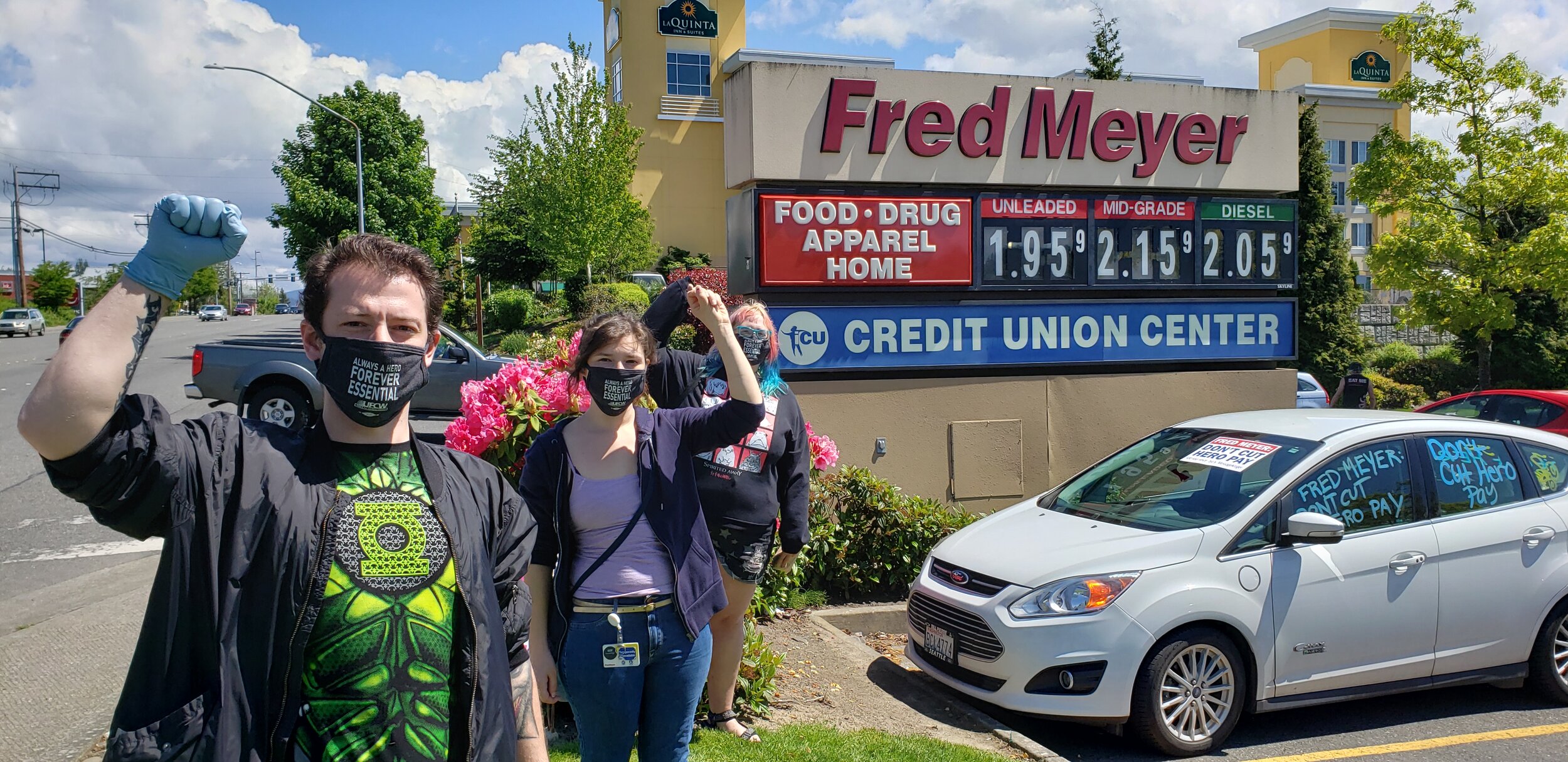
The Bellingham City Council voted 5 to 2 last night (May 10) to mandate $4 per hour hazard pay for frontline workers at large grocery chain stores in the city. Last night’s vote was a final procedural step, following initial approval of the ordinance two weeks earlier. The ordinance will go into effect at 12:01AM on May 25th. It will cover unionized employers, including Fred Meyer, Safeway, and Haggen, as well as some non-union stores such as Whole Foods.

Chris Vincent, a veteran produce worker at Bakerview Fred Meyer, helped organize co-workers to send emails and give public comment at multiple City Council meetings. Upon hearing of the victory, Vincent offered words of celebration:

“We fought an honorable fight for an honorable cause to give the hard-working people on the front lines what they deserve in these hazardous times. I want to personally thank the Bellingham City Council for recognizing the hazardous conditions we work in and for their support in compensating us for it. When we stand together, we win together!”

The Northwest Central Labor Council, led by Secretary-Treasurer Michele Stelovich, and Whatcom County Jobs With Justice, led by Betsy Pernotto, provided crucial support to UFCW21, engaging Council Members and mobilizing supporters to send messages of support and provide comments at several meetings.

Speaking before Council on March 8, the Labor Council’s Stelovich lauded frontline grocery workers:

“They stepped up, they went to work, and they made sure that we had food on our tables. So I just wanted to thank all the grocery workers that have done that. You know that some of the grocery stores have made huge profits… So these are things that they can afford to be able to give their workers… and reward them for being good employees that came to work under very difficult conditions.”

The Whatcom County DSA also mobilized supporters to speak up for grocery workers at multiple Council meetings.

The Northwest Grocery Association and Fred Meyer sent representatives to Council to speak against the ordinance, but there was little opposition, otherwise.

The City Council’s action last night was the culmination of a nearly year-long campaign by Bellingham grocery workers to demand continuation of hazard pay, after Albertsons and Kroger discontinued it last Spring. Members and community supporters held multiple protest actions to educate the public and sent hundreds of messages to City Council once the issue moved into the legislative arena in February.

Throughout the campaign, UFCW 21 members have also emphasized the need for improved COVID safety in their workplaces.

City Council Member Lisa Anderson shepherded the hazard pay ordinance to victory over several months, never backing down in the face of the grocery industry’s legal threats and misinformation.

The hazard pay ordinance covers workers at companies that employ at least 500 employees worldwide and at least 40 in Bellingham. At these companies, hazard pay will be required at stores that are over 10,000 sq. ft. and primarily sell groceries for offsite consumption or which are over 85,000 sq. ft., with 30% or more of their floor space devoted to groceries.

Thank You to the Bellingham City Council members who voted to support grocery workers: Lisa Anderson, Hannah Stone, Michael Lilliquist, Hollie Huthman, and Daniel Hammill

These Bellingham City Council members voted against grocery workers: Gene Knutson and Pinky Vargas

UFCW 21 Statement in Response to Today’s Guilty Verdict in the Trial of George Floyd’s Killer

While we are gratified that the Floyd family and the community of Minneapolis received a form of justice today with a guilty verdict, we recognize that one verdict cannot fix a racist justice system. Nor can it bring back the life of George Floyd, nor the countless other Black, Indigenous, and People of Color whose lives and opportunities have been lost to racialized policing and systemic racism in its many forms. 

UFCW 21 stands for economic, political, and social justice in our workplaces and in our communities. We know that racism and white supremacy keep us separated from each other and undermine our collective power, and that the best way to defeat these systems of oppression is to work in solidarity to build a diverse working-class movement. We believe in working together toward the future we want to see. 

Over the past year, UFCW 21 members have continued our fight for racial justice in bold new ways, including demanding police accountability in the labor movement, attending many Black Lives Matter events, trainings, and protests, and fighting for the right to wear Black Lives Matter insignia at work, as well as standing in solidarity with nonunion workers fighting for these same rights.  

We are working within our labor movement and our communities to place racial justice at the heart of our plans for the future. 

To sign up to be connected with resources on how our Washington State labor movement and local Labor Councils are working for racial justice, click below: 

Race & the Labor Movement

Want Black Lives Matter buttons for your workplace? Text your name and work location to (803) 820-2121. 

Read what UFCW 21 membership and leaders shared at the time of George Floyd’s death in 2020. 

April Telephone Town Hall Calls

As COVID restrictions make it more difficult to meet in person and members face increased risks and concerns around COVID safety and other issues, we are continuing regular Telephone Town Hall calls for members to get important updates, ask questions of union leadership and special expert guests, and come together to plan how we can keep each other safe and fight for fairness at work even during this ongoing crisis.

UFCW 21 Member Telephone Town Hall
Monday, April 19 at 6:30 PM
☎️ 888-652-2664 Meeting ID: 5853

 All you have to do is pick up the phone when it rings between 5:30-5:40pm on Monday, or if you don’t receive a call, just use the call-in number and Meeting ID above.

UFCW 21 Health Care Member Telephone Town Hall
Monday, April 19 at 7:30 PM

☎️ 888-544-2310 Meeting ID: 5854

All you have to do is pick up the phone when it rings between 5:30-5:40pm on Monday, or if you don’t receive a call, just use the call-in number and Meeting ID above.

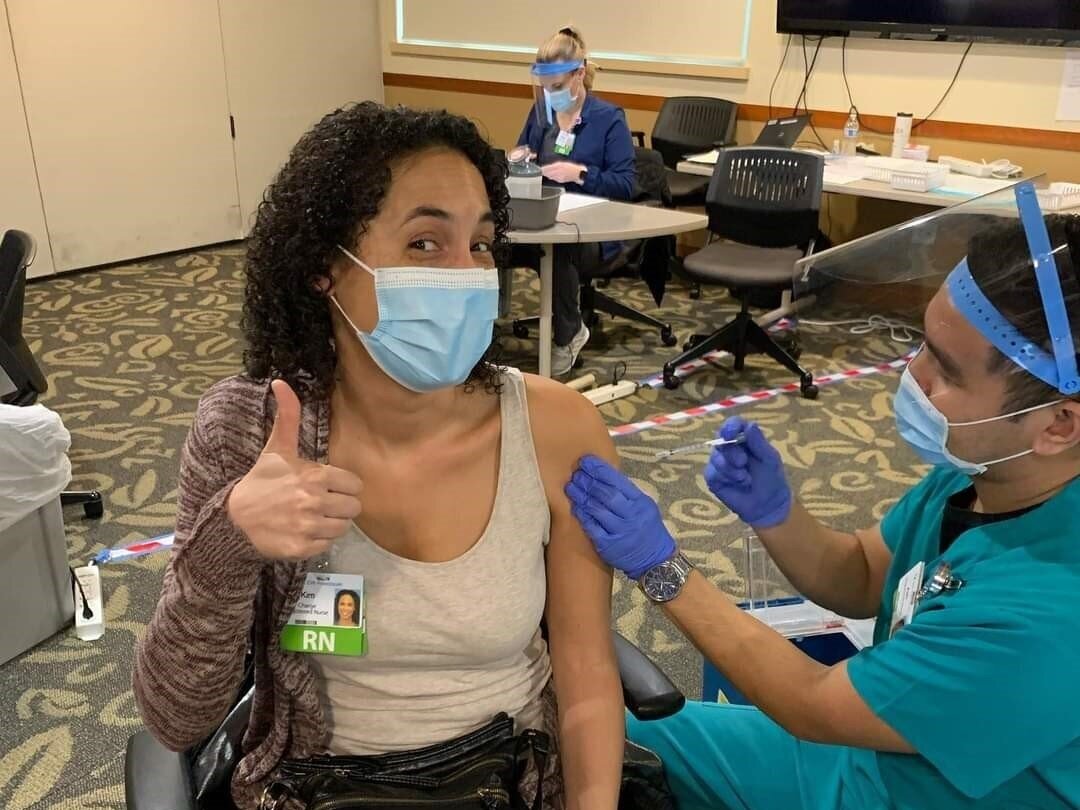
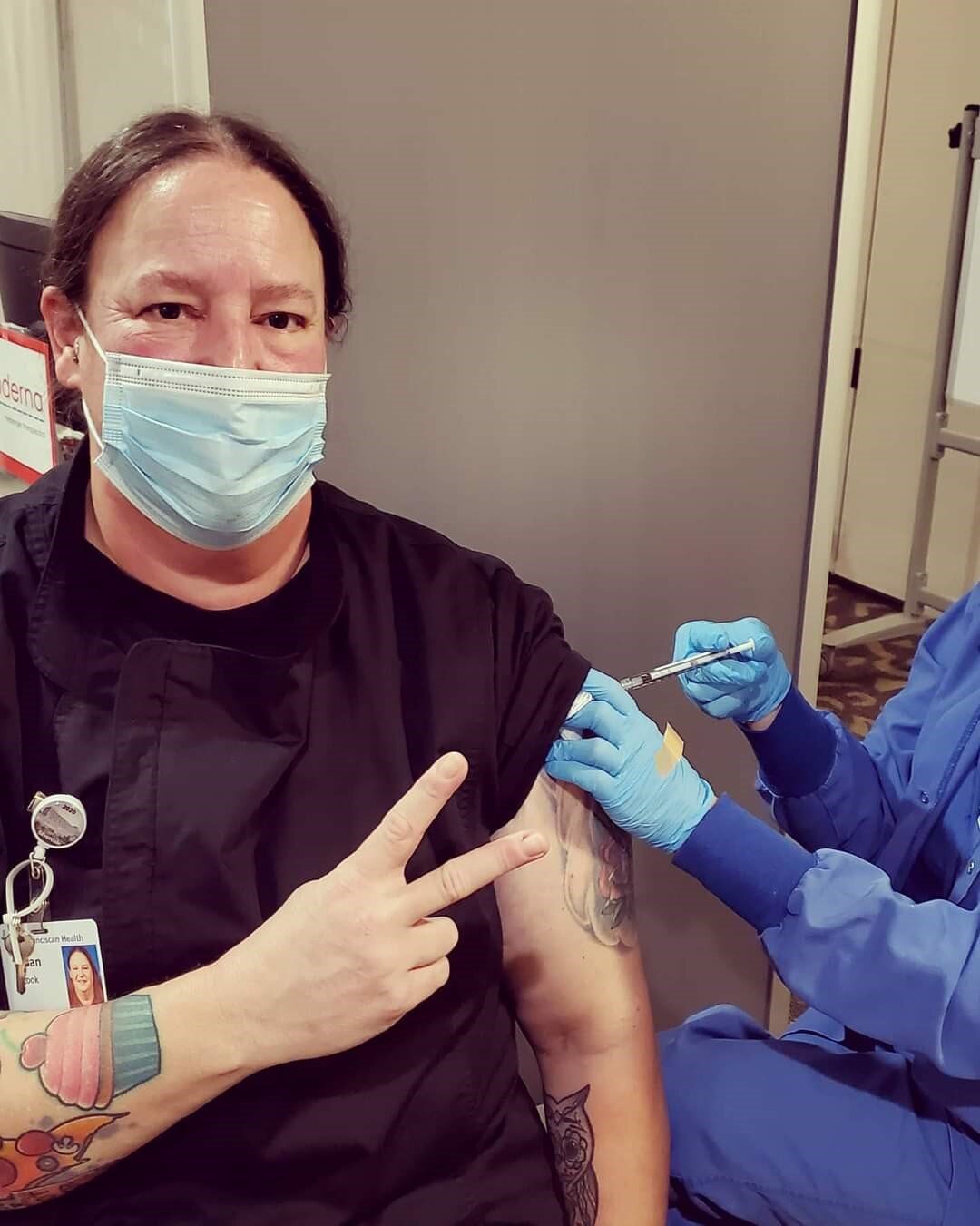
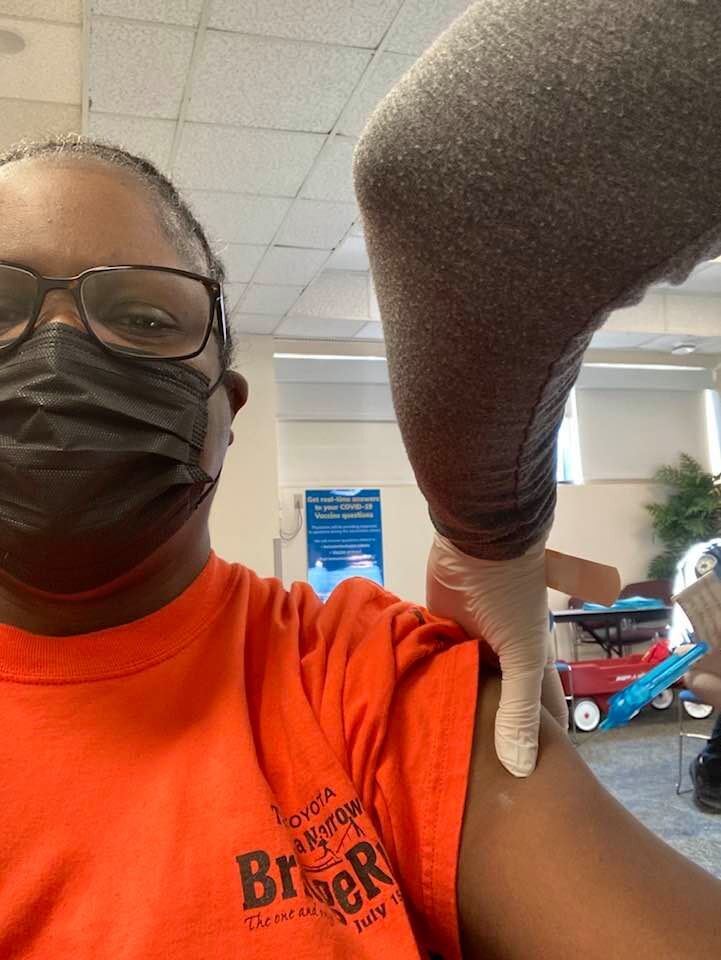
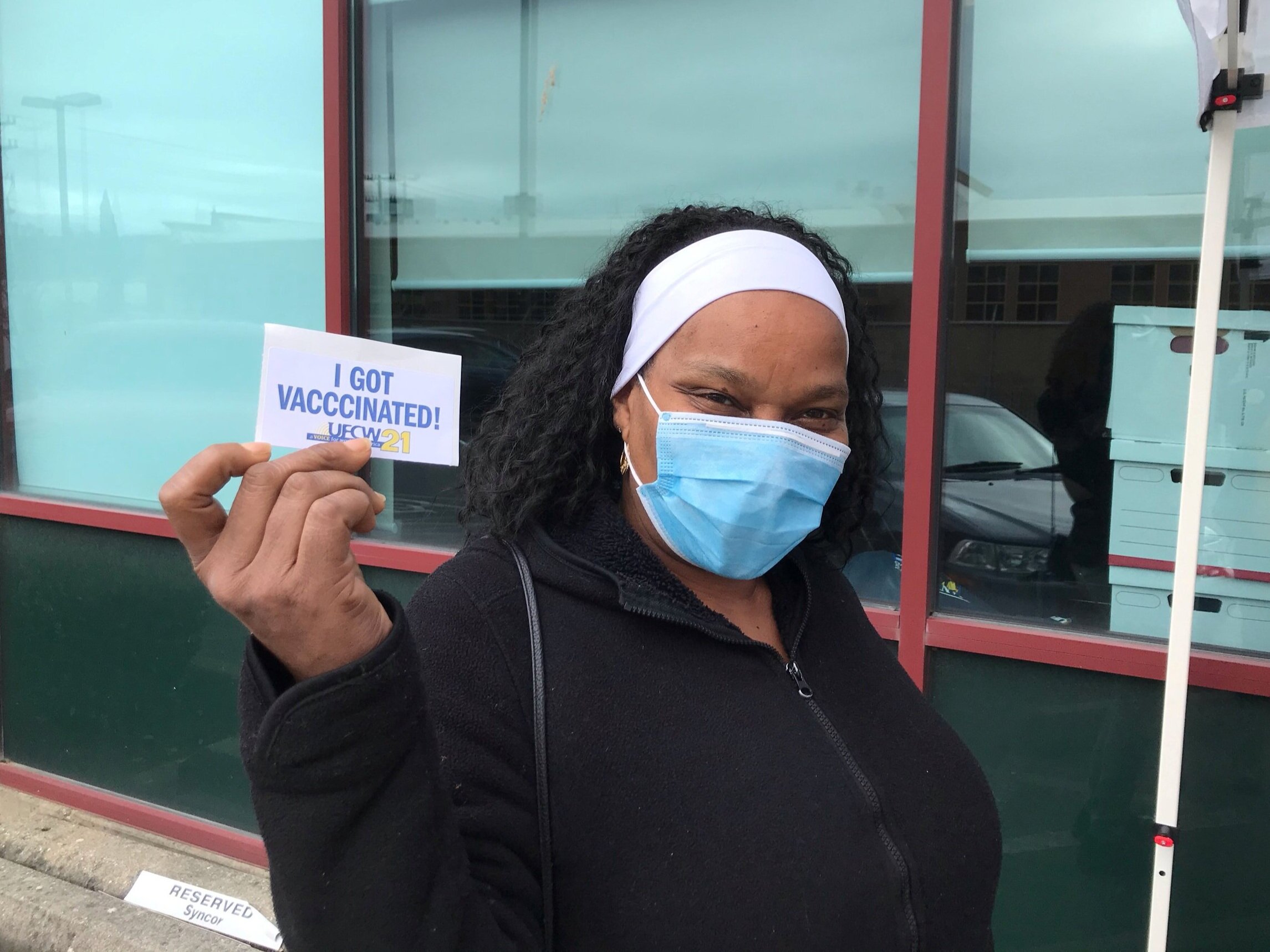
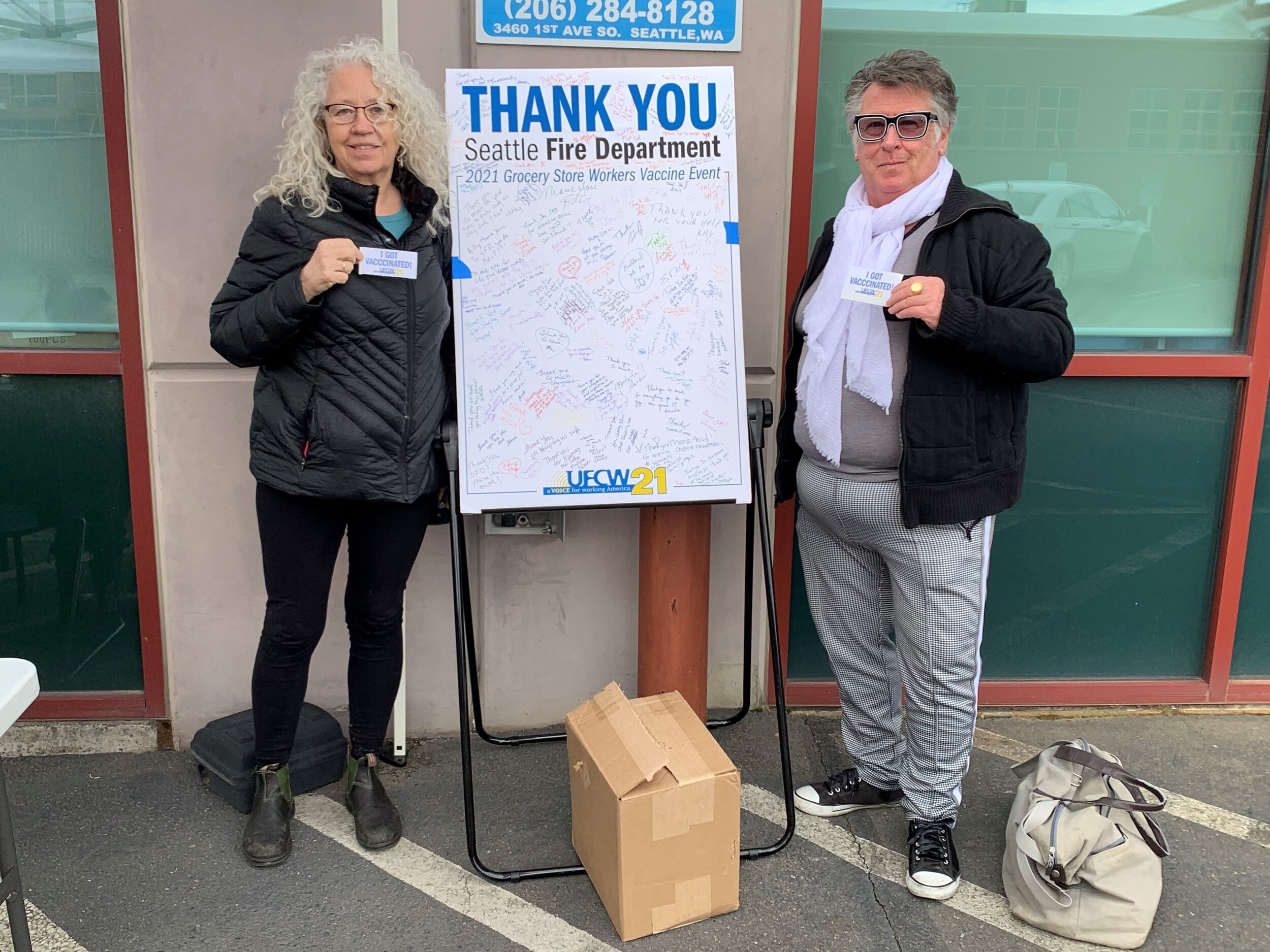
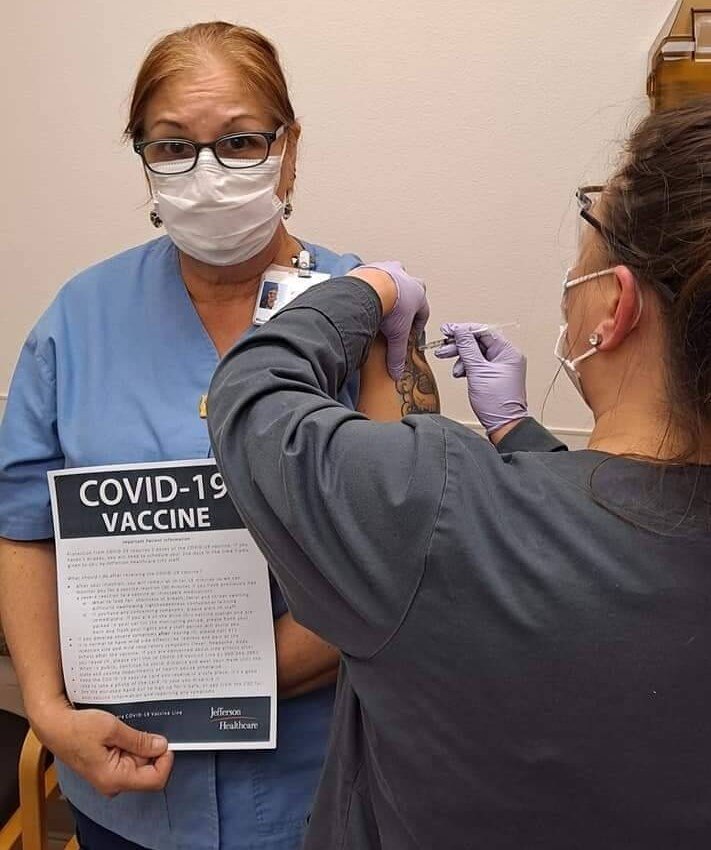
COVID Vaccine Information for UFCW 21 Members

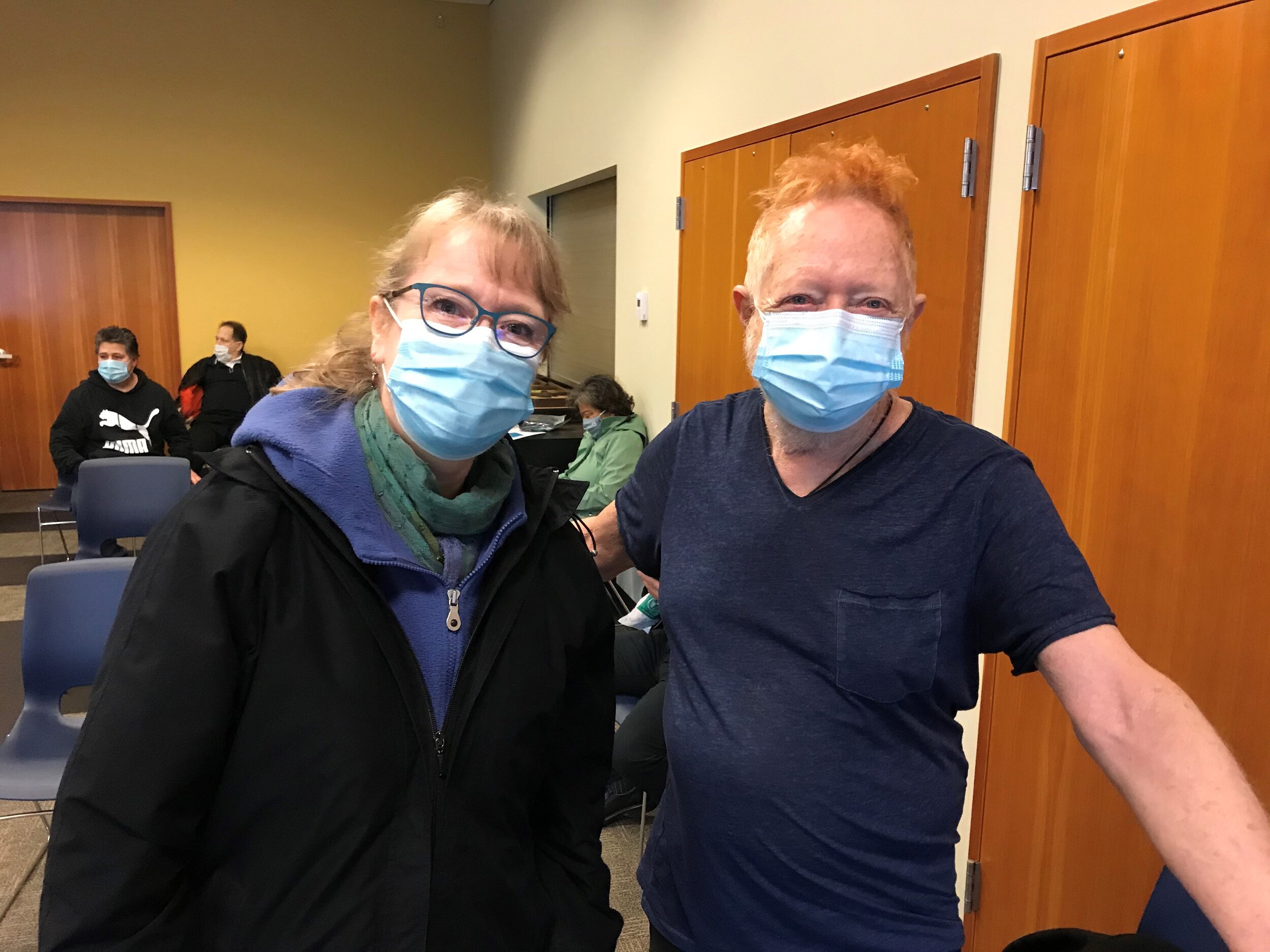
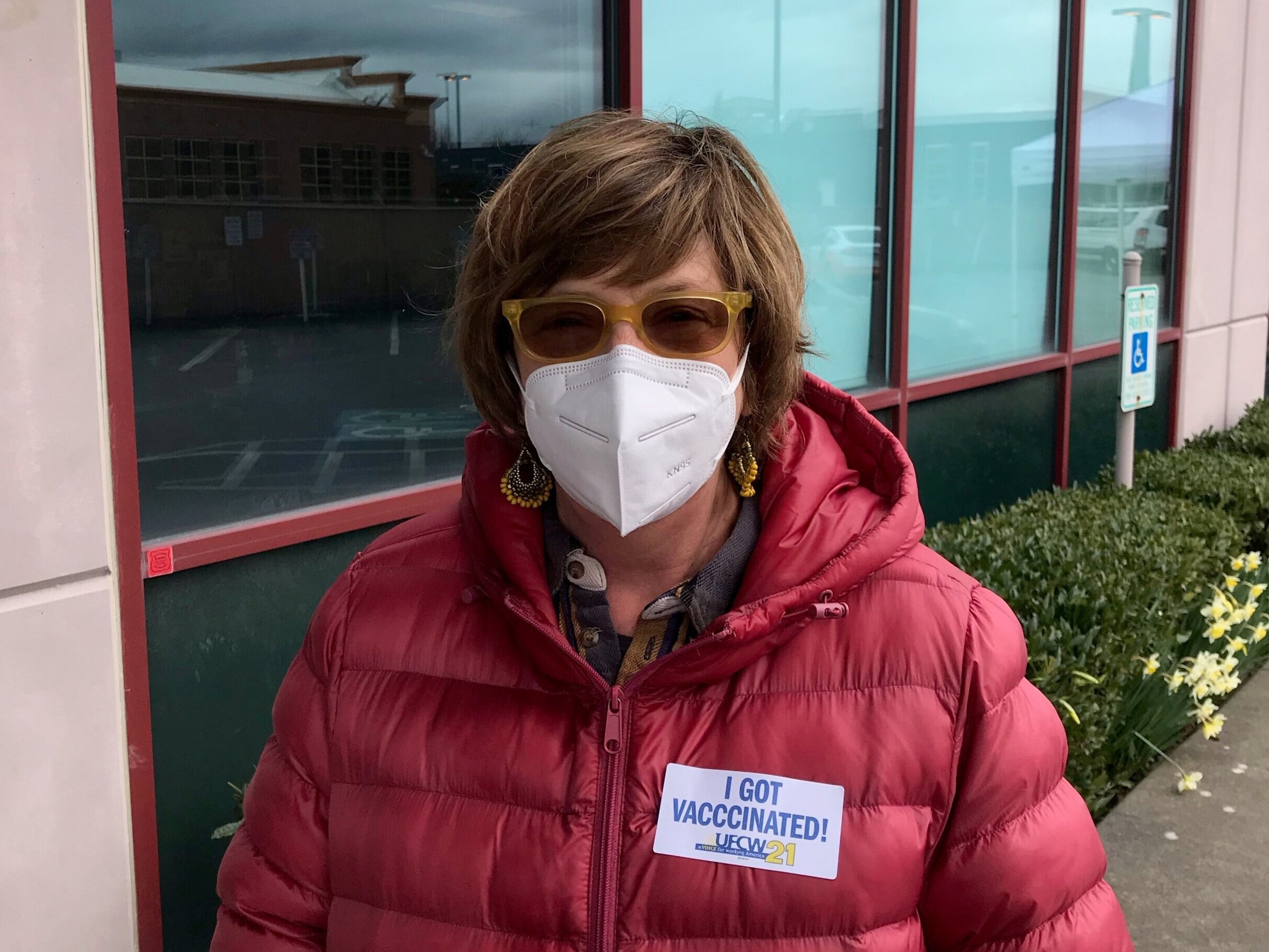
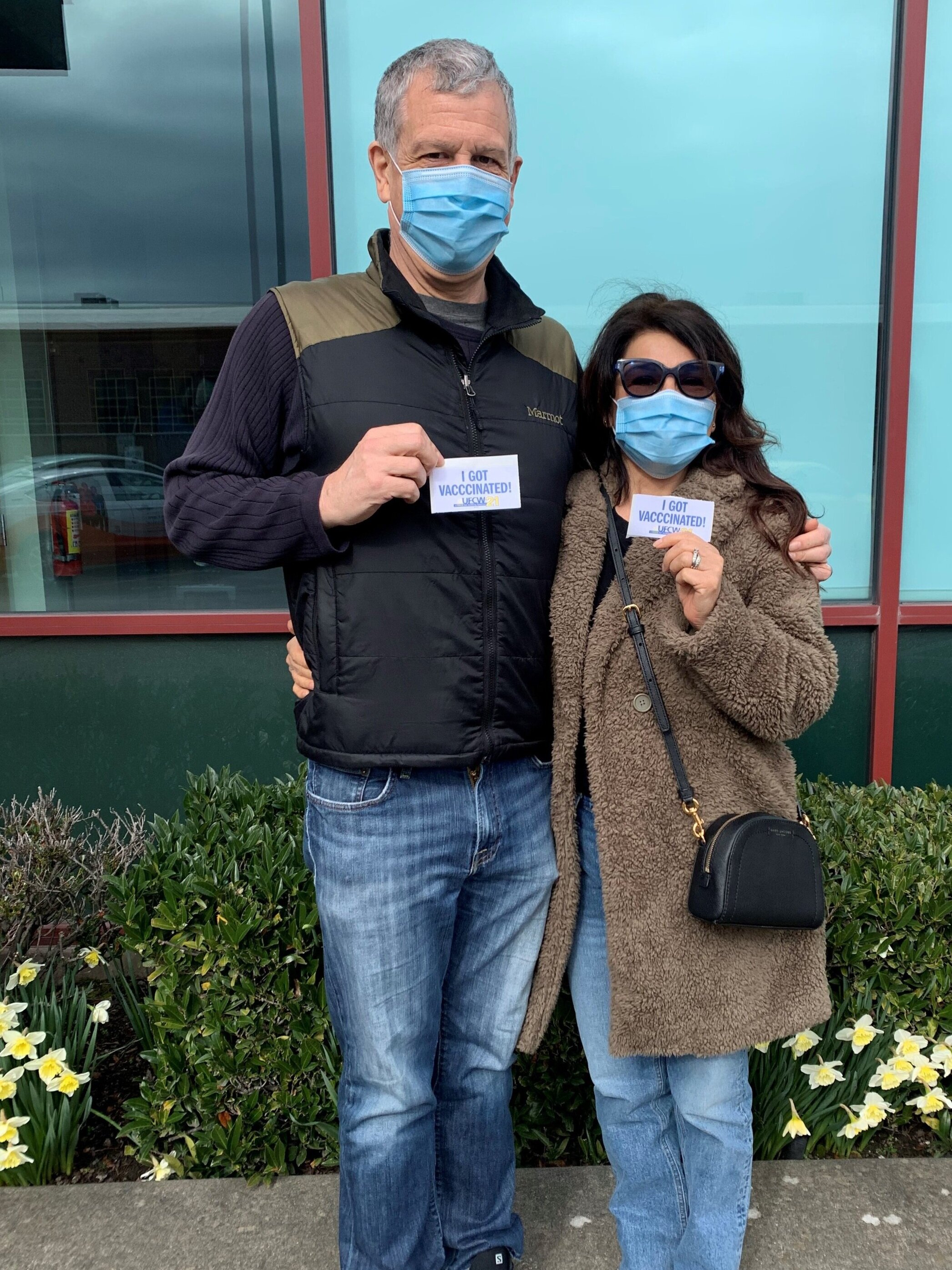
Many UFCW 21 members have already been vaccinated to protect against COVID-19. Many other members have questions about eligibility, how to find accurate vaccine information, and what we can do as a union to advocate for our right to vaccine access. Here’s the basics: 

ELIGIBILITY

NEW April 15, 2021: Everyone in Washington State who is 16 years or older is now eligible for the vaccines that protect against COVID-19. The vaccine is free, does not require a co-pay or insurance, and can protect you and your loved ones from catching and spreading COVID-19.

GETTING VACCINATED

find covid vaccine appointments

There are multiple options for people seeking vaccines in Washington State. UFCW 21 is working closely with partners at the city, county, and state level, along with our employers and our health care trust, to make free vaccines accessible to all members as quickly as possible. Here are the main ways you can get vaccinated right now:

  1. Through your union: Speak with your Union Rep for information about vaccine appointments available to you through the union. We have held vaccination events at our union hall, and are working with partners across the state to make appointments available to UFCW 21 members at pop-up vaccination clinics, mass vaccination sites, and in our workplaces so members can access vaccines at convenient locations and times. If you have questions or need help, you can also contact us by email at vaccine@ufcw21.org.

  2. Through your employer: Your employer may be able to vaccinate staff at work, either through a pharmacy or clinic in the workplace or a vaccination event on-site. We have worked with many employers to ensure that everyone gets access. If your employer is vaccinating people at work and you have any questions or concerns about the process, contact your Union Rep.

  3. Through a city, county, or state-run mass vaccination site:

  4. Through a vaccine provider near you: Anyone who is eligible for a COVID vaccine can make an appointment at a provider in your area. This tool collects all available vaccine appointments in one place:

find covid vaccine appointments

Need Help?

UFCW 21 members on the Sound Health & Wellness Trust can contact our Guardian Nurse service for assistance making COVID vaccine appointments by calling (877) 362-9969 and selecting option 2 (8am - 5pm).

You can also contact your Union Rep (just call our main office at 1-800-732-1188 to be connected to your Union Rep) or email vaccine@ufcw21.org.

KING COUNTY: Anyone who lives or works anywhere in Seattle or King County can call the Seattle Customer Service Line at 206-684-2489 from Monday through Saturday, between 8 a.m. - 5 p.m. for assistance. In-language assistance is available over the phone.

STATEWIDE: Call the state COVID hotline at 1-800-525-0127, then press #. You can request help making a vaccine appointment.

VACCINE INFORMATION 

There are three approved vaccines for COVID-19: one made by the company Pfizer (sometimes called the Pfizer-BioNTech vaccine), one by the company Moderna, and one made by the company Johnson & Johnson (sometimes called Janssen). Currently, the Pfizer vaccine is authorized for people ages 16+ and the Moderna and Johnson & Johnson vaccines are authorized for ages 18+. There are more vaccines in late-stage trials and in earlier phases of development and testing. On April 13, the CDC recommended states pause in administering the Johnson & Johnson vaccine while they evaluate it further, and Washington State vaccine providers have complied.

There is a lot of information out there about COVID vaccines. We encourage members to look at the verified scientific information about these vaccines and be thoughtful about the sources of the information you rely on for a decision like this. Getting vaccinated is a choice, but it is a choice that affects your health and safety and our whole community, and it can help bring an end to a global health crisis. 

Here are some places to start: 


UNION ADVOCACY 

Our local and our international union feel strongly that essential workers have served our communities throughout this crisis and many of us are facing high risk of exposure at work, whether from the public or from close contact with coworkers. We have been advocating at the federal and local level from the very beginning of vaccine prioritization discussions for priority vaccine access for all frontline workers, including those in health care, grocery stores, meatpacking and food processing, and any other frontline essential workers. 

UFCW 21 Named to Washington’s Vaccine Command Center 

Our state has formed a partnership with companies, organizations, and unions that have the expertise to help ramp up our state’s ability to vaccinate people safely and quickly. We will ensure frontline workers have a voice in the broader plan for vaccination throughout this process, along with our role ensuring a high level of training and coordination. 


Protections in Washington State for High-Risk Workers

NEW April 8, 2021: The proclamation protecting high-risk workers has been updated in the face of increased vaccination of Washington’s population, the length of the COVID-19 pandemic, and updates to the CDC’s categories of at-risk people. The information on this page has been updated to reflect the new modifications to these protections.

Governor Inslee has issued and extended a proclamation protecting working people who may be at higher risk for serious illness or complications from COVID-19. This proclamation is in effect through the end of Washington’s state of emergency, or until otherwise amended or rescinded. There is no set date for the expiration of these protections.
Workers who are covered by this proclamation are called “high risk employees,” and the term means anyone defined by the Centers for Disease Control as being more likely to get severely ill from COVID-19, as outlined on the CDC’s website listing risk factors and medical conditions that current science says may make someone more likely be hospitalized, need intensive care, require a ventilator to breathe, or even die if they were to contract COVID-19. Click the button below for the CDC’s list of these conditions.

CDC List of risk factors and medical conditions

In Washington State, your employer is required to provide accommodations to you at work that protect you from risk of exposure to COVID-19 if you are a high-risk employee and you request accommodations. These accommodations can include, but are not limited to: 

  • telework

  • alternative or remote work locations 

  • reassignment 

  • social distancing measures 

If your employer determines that an alternative work arrangement is not feasible for you, they must permit you to use all your available accrued leave options or unemployment insurance, in any sequence and at your discretion, and they cannot retaliate against you for doing so. If you use up your paid time off, your employer still cannot permanently replace you at work for exercising your rights under this proclamation.

Effective April 23, 2021, your employer can require medical verification to confirm you are covered under these protections. According to the Governor’s new order, they are required to follow the same interactive process required by state and federal disability laws, which means you should have a reasonable amount of time to respond. You or your employer can start the process of providing medical verification as soon as April 9, 2021, but your employer can’t mandate that you start this process before April 23, 2021.

Also effective April 23, 2021, your employer does not have to maintain your employer-related health insurance benefits unless you are otherwise eligible for Family Medical Leave Act (FMLA) status or an extension of your benefits is covered by your contract or other condition of employment.

If your employer wishes to terminate your health benefits or change your alternative work arrangement, they must give 14 days notice in writing. They are still required to utilize all available options for alternative work assignments to protect you from exposure to COVID-19 if you are a high-risk worker and you request protections. These protections are in effect for both public- and private-sector workers. There are no exceptions.

If you would like to exercise your rights under this proclamation, and your employer doesn’t allow you to do so, connect with your Union Rep for help.

UNEMPLOYMENT ELIGIBILITY

Worker successfully made the case for some updates to our state’s unemployment insurance system, and that has included making high-risk workers’ eligibility for unemployment insurance during public health emergencies like the COVID-19 pandemic part of state law. Thank you to the workers who fought for these protections and the lawmakers who listened. Read more about this state law here.

As of April 4, 2021, an unemployed person who has left work voluntarily and is high risk or lives with someone who is high risk is eligible for unemployment benefits in our state. Speak with your Union Rep to discuss your options for workplace accommodations that will protect you and unemployment insurance benefits if you are on leave.

Scroll down for a list of answers to Frequently Asked Questions on our state’s high-risk worker protections and a list of health conditions that may put you at higher risk for serious COVID-19 complications.

Further Reading:


Frequently Asked Questions About High-Risk Worker Protections

You can find the state’s answers to Frequently Asked Questions, updated to reflect the changes made in April 2021, by clicking here.

Are health care workers, essential workers, or any other category of workers excluded from these protections?

No. There are no exclusions. Regardless of your job, if your health care provider determines you are a high-risk employee, your employer must offer you accommodations and protections under this proclamation.

What kind of verification do i need to provide to my employer to show that I am a high-risk employee?

Your employer can require medical verification from a health care provider who assesses your medical condition, vaccination status, and the circumstances of your job or workplace to determine whether you are high risk and whether you can return to the workplace with additional accommodations to protect you from exposure. If your employer is not accepting documentation you think is sufficient, contact your Union Rep for support.

Can my employer contact my doctor or health care provider without my permission?

No. Providing your employer with documentation of your status as a high-risk employee does not give a health care provider the right to share further information about your health with your employer, unless you have given them explicit permission to do so. (If you signed a document releasing your medical information, check carefully to see what it allows your provider to share.) Sharing medical information without your consent could be a violation of the Health Insurance Portability and Accountability Act (HIPAA), and if it happens you should contact your Union Rep to determine next steps that protect your privacy and your right to accommodations.

If my employer offers accommodations that I don’t think are good enough to keep me safe, do I have to accept them anyway?

No, you have a say in what accommodations are safe for you. The governor’s proclamation says decisions about this “cannot be left solely to the employer.” Again, if your employer is not offering acceptable accommodations, talk to your Union Rep.

My employer wants me to telework, but I would rather take leave. Can I do that?

You may be able to choose leave instead of telework, but it’s not a guarantee. You should request what you think is safe and fair, and get support from your Union Rep to make it happen if your employer refuses to accommodate you. The state has asked employers to be flexible with employees and respect requests for leave, and gives you a say in what you consider safe. Your employer may be able to argue that telework is appropriate.

can my employer force me to return to work if i am vaccinated, or because i have been working from home or on leave for a certain period of time?

If your medical provider has verified that you are a high-risk employee and should not return to the workplace, your employer cannot require you to return by threatening to terminate your position, and they must continue to provide you with accommodations that protect you against exposure to COVID-19.

What kinds of paid leave can I use if my employer can’t protect me from exposure at work?

You can use any accrued leave you have, including vacation, sick, compensatory time, exchange time, personal holiday, or federal Emergency Paid Sick Leave. You can also use Unemployment Insurance during your time away from work, even though your employer is not allowed to permanently replace you.

How do I use Unemployment Insurance for this purpose?

When you file for unemployment, your employer should provide the state’s Employment Security Department with appropriate documentation to support your unemployment claim. If you need help applying for unemployment, contact your Union Rep or get in touch with our partners at the Unemployment Law Project.

Do I have to use all my accrued leave first before filing for unemployment?

No. Under this proclamation, workers in high-risk categories are allowed to use accrued leave or unemployment insurance in any order and at your discretion. Your employer cannot force you to use up your accrued leave before you file for unemployment.


CDC List of Potentially Higher-Risk Conditions

The CDC has altered the way they categorize the risk factors and medical conditions that can put people at increased risk for severe illness if they were to contract COVID-19. There is no longer a distinction between “at increased risk” or “might be at increased risk.” Instead, they list all health conditions or health histories that current science says may contribute to a person’s higher risk of COVID complications, and they provide links to the science they rely on to make these decisions. The CDC list is regularly updated, and includes a link at the top of the page so you can see the last time they made an edit to their list. As of April 13, 2021, here are some of the health conditions that are included:

  • Cancer or a history of cancer

  • Chronic lung or kidney disease

  • Dementia or other neurological conditions

  • Diabetes

  • Down syndrome

  • Heart conditions

  • HIV

  • Weakened immune system (being immunocompromised)

  • Liver disease

  • Body Mass Index over 25 (being overweight or obese)

  • Pregnancy

  • Sickle cell disease or thalassemia

  • Being a current or former smoker

  • Solid organ or blood stem cell transplant

  • Stroke or cerebrovascular disease

  • Substance use disorders (such as alcohol, opioid, or cocaine use disorder)

Learn more at the CDC's website

UFCW 21 Endorses Council Member González for Seattle Mayor

For Immediate Release: Monday 4/12/21 | Contact: Tom Geiger, UFCW 21, 206-604-3421

SEATTLE, WA —  Today, UFCW 21, the region’s largest labor union, announced its endorsement of Council Member Lorena González for Seattle Mayor. The working partnership with our worker-led union goes back nearly a decade —  a decade of both great progress and great strife for working people in our city. The Mayor of Seattle can be a major force for leading change and our belief is that González is the best candidate for our city and that she will help meet the potential to reduce inequity, reduce racial injustice, and improve the rights and daily lives of working people. UFCW 21 has been at the center of efforts for over a decade to forward workers’ rights and lead the nation.

González reacted to the news: “I’m proud to have the support of UFCW 21's 46,000 hard-working members. Their workers are vital to our city's economy and have been on the front lines during the COVID-19 pandemic. I'm proud to have worked with UFCW 21 on the city council to establish the Office of Labor Standards, protect workers from scheduling instability and to provide hazard pay for grocery store workers during the pandemic. As Seattle's next Mayor, I will continue to work with our essential workers to ensure the safety and health of working people and to create good-paying jobs."

Our city was one of the first to pass a dramatically higher minimum wage, paid sick days, secure scheduling, and most recently hazard pay for essential grocery store workers. González has been there with us all along the way, providing savvy, principled and progressive leadership.

"Council Member González was a great partner in the fight for the Secure Scheduling law to help us have more control over our schedules at work and to better plan time with family. As a grocery store worker and elected board member of UFCW 21, I'm very happy she has our full support to become Seattle's next mayor," said Maggie Breshears who works at Fred Meyer in Greenwood.

"Last year, after continued problems and the Seattle Police Officers Guild’s refusal to meet community demands for major police reform and accountability, UFCW 21 heard the community’s demands, and we took a leadership role in the Labor community and fought for and succeeded at having SPOG removed from the MLK Labor Council.  Everyone, people of all races and economic levels need police justice and should have equal access to that justice in our communities. Seattle has a lot of work to do along these lines and we feel Council Member González can help lead that work as Mayor," said Sam Dancy, a longtime QFC worker in West Seattle and elected Executive Board member of UFCW 21.

As an at-large member of the council, González has been elected by voters across the city. And as an attorney and advocate, she has a long record of caring, action and success for the working people of the city and beyond. Her own story combines the hard struggle of an immigrant family, a farmworker family. She understands firsthand the trials of racism, the inequality in our economy, as well as the benefits of getting a strong public education and the importance of getting organized and involved in community.

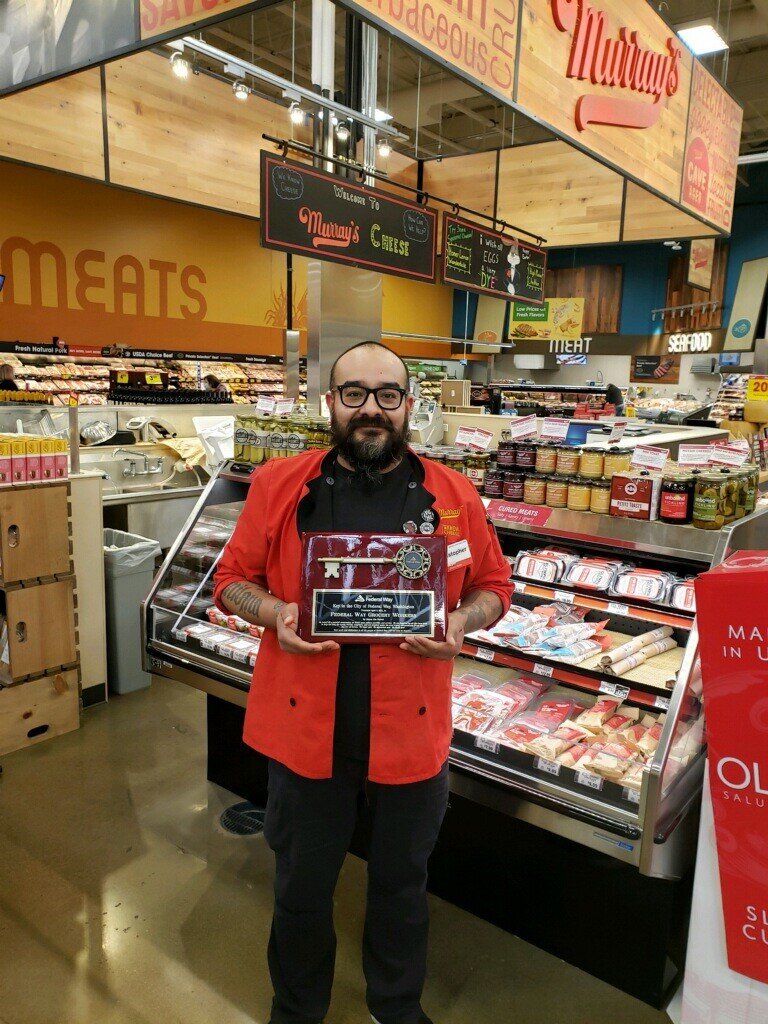
UFCW 21 Member Chris Navarrette awarded Key to the City of Federal Way

Chris Navarrette, Cheese Monger at Fred Meyer #111 Federal Way accepting the Keys to the City of Federal Way

Chris Navarrette, Cheese Monger at Fred Meyer #111 Federal Way accepting the Keys to the City of Federal Way

This week, UFCW 21 member and Fred Meyer worker Chris Navarrette was given the Key to the City of Federal Way, on behalf of the Federal Way grocery store workers who have served our community throughout the pandemic.

Chris was also honored for his work on a hazard pay ordinance in the City of Federal Way. After speaking up about hazard pay in a video for union negotiations with Fred Meyer, Chris attended a UFCW 21 webinar on what it takes to organize around hazard pay at the city level. He helped spur negotiations for a Federal Way hazard pay ordinance, which is now being considered by Federal Way City Council, and he testified at a city council meeting.

Here’s what Chris had to say at his Key to the City ceremony:

“Good evening, I am honored to accept this key to the city on behalf of all grocery workers in Federal Way. Since the start of this pandemic, grocery workers have gone to work every day, putting themselves and their families at risk in order to keep our communities fed. I am grateful that the Mayor and the City Council are recognizing the hard work of grocery workers during this unprecedented time. I am also pleased that the city is going to consider hazard pay for grocery workers. While I am the individual that is accepting this award, it is truly deserved by each and every grocery worker in this city. Thank you again for this honor, and it is a privilege to participate in this ceremony with so many other essential workers.”

Want to organize around workers’ rights in your area or get involved in local politics where you live to help make sure working people have a voice? Talk to your Shop Steward or Union Rep about how to get involved!

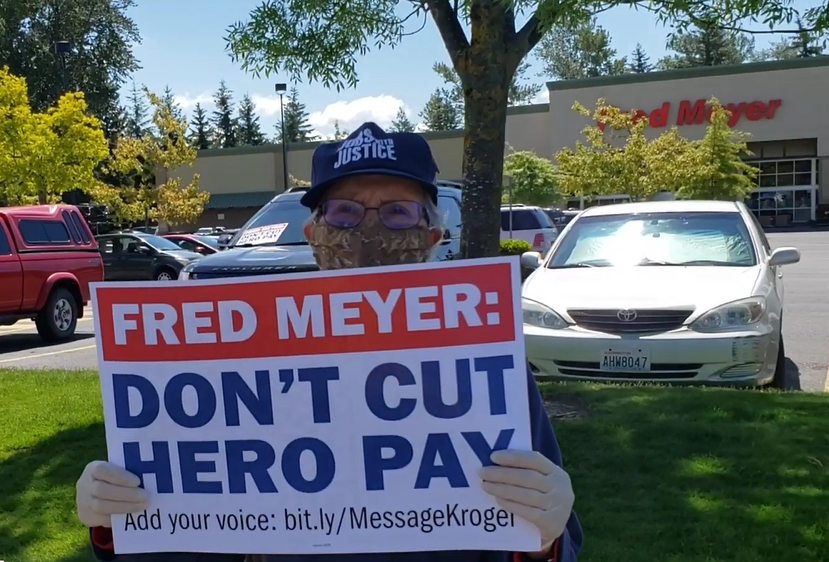
United Actions calling out Kroger for Store Closures and Bully Tactics

450x900px BLOG Social Share Image UNITED ACTIONS- UFCW Locals 21 324 and 770.jpg

MEDIA ADVISORY for Thursday, April 8, 2021 at 11 AM

For immediate release: April 7, 2021

CONTACT: Tom Geiger, UFCW 21, 604-3421

Grocery Store Workers and Community in Long Beach, LA, and Seattle To Call Out Kroger for Bullying and Store Closures   

The Kroger Co. Announced Closures of Seven Neighborhood Stores to Avoid Paying Workers a Temporary Wage Increase After Profiting $2.6 Billion During the Pandemic, Investing Earnings on Stock Buybacks Instead

Seattle, WA – On Thursday, April 8th, essential frontline grocery workers, community members, and supporters in California and Washington will host a symbolic “donation collection” in front of stores set to close, to help raise funds for the top supermarket chain in the country to pay its workers temporary hazard pay and call on Kroger Co. to keep stores open. 

In a theater performance style, workers and community members will ask shoppers to donate pennies in a collective piggy bank to pitch in and help pay essential workers to shame Kroger over its greedy behavior.

Kroger owns the California Ralphs and Food 4 Less stores and Washington QFC stores slated to shut down. The corporation falsely claims that these supermarkets are closing as a result of hazard pay when in reality it was a clear effort to intimidate workers, the community, and elected officials in an attempt to discourage any additional hazard pay ordinances from passing. 

Thursday’s actions will symbolize the extreme disparity between the company’s windfall COVID profits and its decision to cut workers’ pay since May 2020, despite persistent elevated sales and risk to employees.  

WHO:   Workers, customers, and community members in Long Beach, Los Angeles, and Seattle 

WHAT: Simultaneous demonstrations in LA, Long Beach & Seattle. Workers and community members impacted by the store closures will call out Kroger’s bullying and the greed that is driving their retaliatory actions closing stores that workers and communities depend on.

WHEN:  Thursday, April 8, 2021, at 11 AM

VISUALS: Blow-up piggy bank, jumbo pennies, and donation stand in front of the store

WHERE:  Wedgwood QFC at 8400 35th Ave NE, Seattle           

BACKGROUND: Local hazard pay ordinances have been passed in cities across California and in Washington, honoring workers for the sacrifice they make coming to work in a pandemic while others can work from home. In response to these temporary ordinances, Kroger Co. is the only grocery company announcing they will close stores instead of complying with the laws. Numerous requests for injunctions by the grocery industry challenging the hazard pay laws have been denied.

According to a Brookings Institution analysis, many of the United States’ top retail companies have earned record-breaking profits during the pandemic, but this increase in profit has not made its way back to workers. Grocers nationwide instead used their excess pandemic profits to buy back shares all the while threatening to close down stores and misleading the public that hazard pay would have to be passed onto consumers. 

Grievance filed over KP pay issues — what you can do to support

We wanted to update all KP members about the problems many people are experiencing with their paychecks and KP’s recent demands for repayment of incorrect pay amounts.

Here’s what we’re doing right now: 

  • We have sent a cease & desist letter to KP ordering them to immediately cease demanding any repayment of past wages they believe are incorrect, unless and until they offer all necessary information and can accurately document and verify the basis for their demands.

  • We have filed a grievance over this issue and an extensive information request, including a request for a full audit to determine if members were under- or overpaid, a clear explanation of their basis for demanding repayments, and copies of all of their communication with staff over this issue.

  • The National Alliance is involved in investigating and addressing this matter with KP at the national level.

  • UFCW 21 is fully investigating this matter here in Washington with our Union Rep, UFCW 21 bargainer, and UFCW 21 legal team, and assessing our contractual and legal options to make sure everyone is protected from pay errors and any overreach on the part of KP.

Here’s what you can do right now to exercise your rights and support this grievance and each other: 

  1. File a Workers’ Rights Complaint with the Washington State Dept. of Labor and Industries

  1. Submit your experiences with any pay issues, including any documentation you have, to UFCW 21

We all deserve to be paid for our work, paid accurately and on time, and for any discrepancies to be well-documented and explained. This is unacceptable behavior from KP and we will be working together to make it right and hold them accountable if they continue to mistreat KP workers. 

UFCW 21 stands in solidarity with the members of Local 7 in Boulder Colorado

The 46,000 members of UFCW 21 stand in solidarity with the members of UFCW local 7 who are mourning the killing of grocery store workers and others in Boulder yesterday. All workers, including those of us in grocery stores, deserve a safe place to do our jobs. We urge all who would like to learn more to read the statement issued by UFCW local 7:

http://ufcw7.org/2021/03/23/local-7-mourns-tragic-deaths-of-several-victims-after-active-shooting-at-a-king-soopers-store-in-boulder-co/

UFCW 21's Statement in Solidarity with Our AAPI Community

“We must stand together in solidarity against the hate and ignorance that is going on, today more than ever.” -Kyong Barry, UFCW 21 Executive Board Member

As we saw last week, with the murder of six Asian women in their places of work in Georgia, Asian American and Pacific Islander communities are targets for violence which has gone up over 150% in the last year. UFCW 21 AAPI members, in additional to putting their lives at risk in the middle a pandemic to feed and care for us, have faced verbal threats and physical violence from customers, patients, and colleagues in their workplaces. Customers have also attacked AAPI customers in our grocery stores.

Our Asian American communities in Washington State are vital parts of the fabric of our society. My neighborhood of White Center is vibrant because of the diverse Asian American communities who live here. These are my neighbors, my customers, and my friends, and I am committed to ensuring that they are safe walking in our neighborhoods and coming into our grocery stores.” -Jeannette Randall, UFCW 21 Executive Board Member

UFCW 21 is committed to confronting and ending racism in all of its forms. We believe that until everyone is safe at work, no one is safe, and we all need to be part of making that real. We take our lead from Asian Pacific American Labor Alliance (APALA), API Chaya and other AAPI-led partner groups. The UFCW 21 executive board encourages everyone to attend the upcoming United Against Hate-APALA workshop to learn our history, so that we can take action in our present.

EVENT: Hate Crimes and the AAPI Community: Standing up to Racist Attacks by White Supremacists and the Far Right

DATE/TIME: Saturday, March 27, 1 pm (PT)

CLICK FOR EVENT INFORMATION

UFCW 21 signed on to a solidarity statement by Asian Americans Advancing Justice, and United Against Hate encourages all to sign on.

ACTION: Sign on to “A Community-Centered Response to Violence Against Asian American Communities”

read & sign on to the statement