



Sound Retirement Plan Update: Pension Plan Benefits Secured

2021 0729 Pension.png

Great news for your retirement benefits. We wanted to share some fabulous news: after more than a decade of work, as of July 1, 2021, we have secured our retirement plans and their future funding is more solid than it has been in a very long time.

What is a retirement pension? We all hope to retire after a lifetime of work with enough income to live with dignity and some degree of independence. While relatively few people these days have a monthly pension that is paid for life, it is something that we have been able to keep in place for our union grocery store workers. A solid retirement plan is made up of many sources: personal savings, Social Security and retirement/pensions and investments. Your retirement pension from your work at the grocery store is one of these sources.

This path to secure our retirement benefits under the Sound Retirement Trust (SRT) required many steps for the employers and the unions and over the last year we have continued to push forward along that path. Some of you may be near retirement after decades of work while others may have started at the grocery store in just the last few years. Whatever your situation, your pension is one of the most important ways to have income when you retire. Your employer begins making payments into your pension when you are hired, and you become vested in the pension plan typically after just 5 years of work in the stores.

While grocery store workers have successfully fought to keep our pensions under the SRT, for nearly twenty years it has had funding problems caused by two large economic crashes (in 2000 and 2008) and long-term changes in the industry. In 2019 our union bargaining team secured a tentative agreement to turn that around and members approved that plan at vote meetings. We have been working hard ever since to move through all the steps to implement this approved agreement. On July 1, 2021, we completed the final step to secure the pension funding.

How the Sound Retirement Trust Becomes Fully Funded:

As a result of our pension agreements and the changes described below, the SRT will become what is called “Green Zone” status and will stay in the green zone for the foreseeable future.

Under the 2019 bargaining, three changes were made to help secure your retirement benefits:

For Kroger Employees:

• All the benefit liabilities for all benefits earned for your work before July 1, 2021, under the SRT will be transferred to the UFCW Consolidated Fund. Kroger will contribute to the Consolidated Fund to pay for all of these liabilities within 7 years.

• When you retire, your pension benefits for your work before July 1, 2021, will be paid by the UFCW Consolidated Pension Fund.

For Other Employees:

• The current SRT will remain in place and continue to be funded for your work before July 1, 2021. The SRT will continue to get a regular contribution from your employer for every hour you work in the future.

• When you retire, your pension benefits for your work before July 1, 2021, will be paid by the SRT.

• For All Employees under 2019 Bargain:

• Future retirement benefits for your work on and after July 1, 2021 will be in one new fund called the Sound Variable Annuity Pension Plan (VAP).

• The Sound VAP will continue to get a regular contribution from your employer for every hour you work. The Sound VAP is sending you a notice about how the VAP works. Below are some basic rules about the VAP. When you retire, your will receive one check for your work before July 1, 2021 (from SRT or Consolidated Fund) and one check from the VAP.

Finally, all of your service credited and covered employment under the SRT and the VAP are counted under the other plan for all eligibility provisions. This ensures that you do not lose vesting or become ineligible for benefits under the SRT as a result of these changes. This includes eligibility for benefit options and the time periods for applying and determining qualification for a pension or disability benefit, participation and vesting purposes.

How the VAP System Works:

In the past, large or drastic declines in the stock market where the pension investments were made, resulted in reductions in the value of the SRT’s funding and reduction to the early retirement and other benefits. To help insulate grocery store workers’ future benefits from these drastic swings, the Variable Annuity Plan (VAP) is structured with a built-in safety mechanism so the benefits provided will track the VAP funding levels.

When the VAP’s investments in the stock market are doing well, and there are returns of over 8.5%, that extra money is required to go into the rainy-day fund reserve account, called a stabilization reserve. In a year where the returns from the pension plan’s investment drops below 2%, the benefits paid under the VAP are shored up with money from this stabilization reserve. The stabilization reserve also will be funded with an additional $15 million in 2022.

The “variable” part of the plan comes into effect with the returns are between 2% and 8.5%. For returns that are between 2 % to 5.5%, there can be adjustments downward in benefits. For years with returns greater than 5.5% up to 8.5%, there can be adjustment upwards. With these safeguards and adjustments, the VAP should stay fully funded in all market conditions and the benefits increase over time as wages increase. Long term, returns are expected to be at or over 5.5%.

Freeing Up Time and Money to Negotiate Wage Increases:

In 2019 and prior contract negotiations, months of time and effort were spent to negotiate agreements for tens of millions of dollars to try to address pension funding. While we will still need to negotiate contribution rates from the employer each bargain, with a healthy SRT and the security of the VAP, it is anticipated that the SRT and the VAP should not be underfunded again. And because we continue to manage our Health and Wellness Plan so well, we hope to maintain the Health Plan with no changes and no increased costs.

Now that we have successfully addressed the pension and health benefits, we can take the time and energy of the bargaining team with the employer representatives and focus on the member’s top priorities: 1st and foremost increased wages, and also look to other improvements in the contract for training, staffing and additional ways to improve the workplace.

The amount someone gets at retirement depends on many things. If you have a question about your specific pension benefits, when you are vested, or other topics, please call our grocery store workers’ retirement plan administrator, Zenith, at 206-282-4500 or 800-225-7620, press option 2, then press option 3.
Grocery Store Workers Have Right to Wear Black Lives Matter Buttons

For Immediate Release: September 17, 2021
Contact: Tom Geiger, UFCW 21, 206-604-3421

Grocery Store Workers Have Right to Wear Black Lives Matter Buttons

National Labor Relations Board Tells Kroger’s QFC and Fred Meyer to Reach Settlement or Change Policy

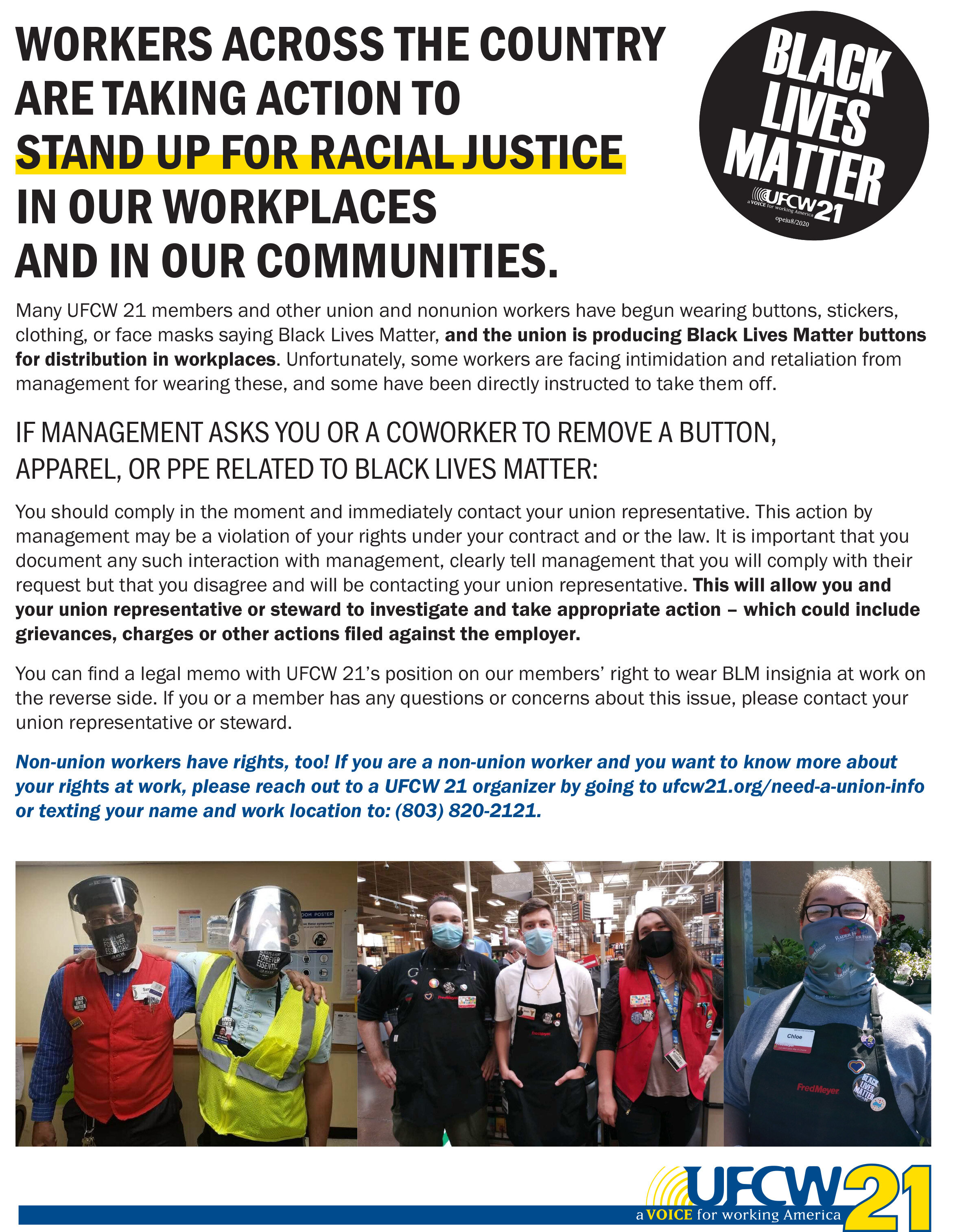
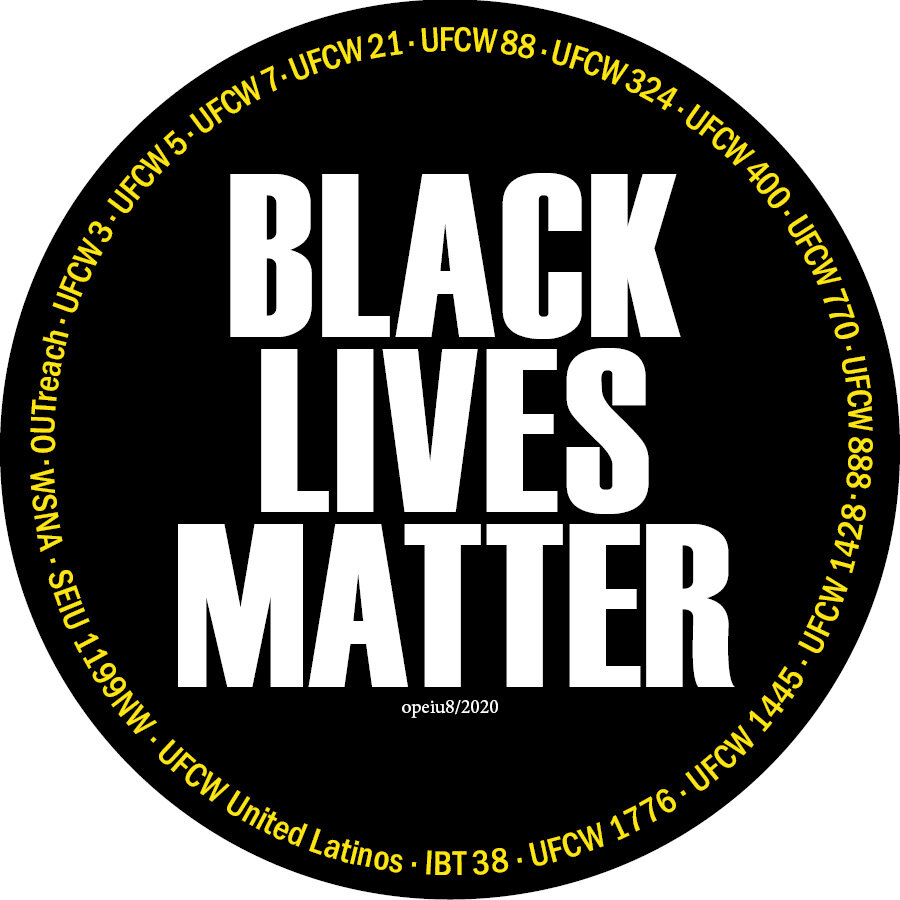
2020 Black Lives Matter Button UFCW locals and Teamsters and SEUI and WSNA.jpg

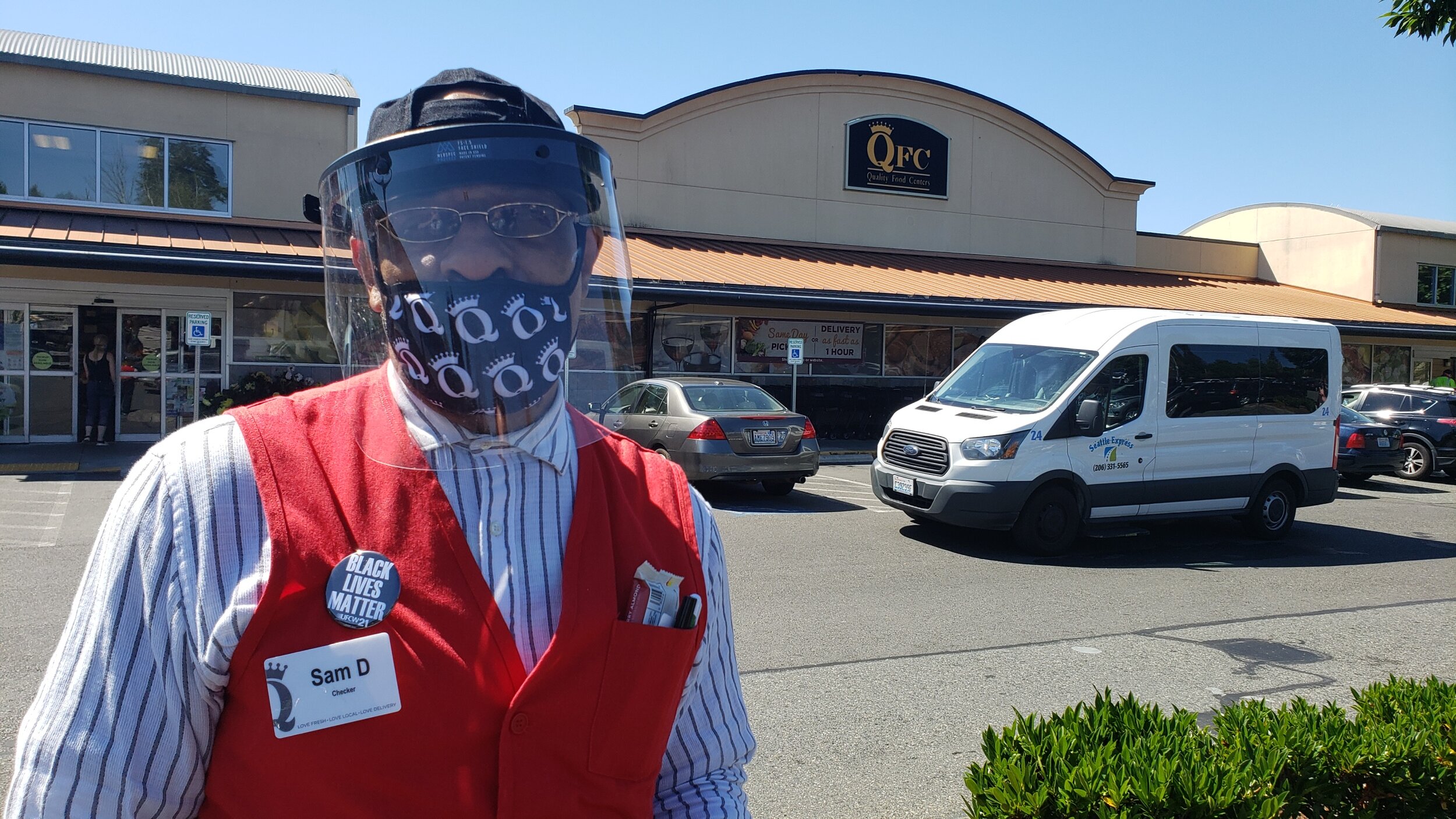
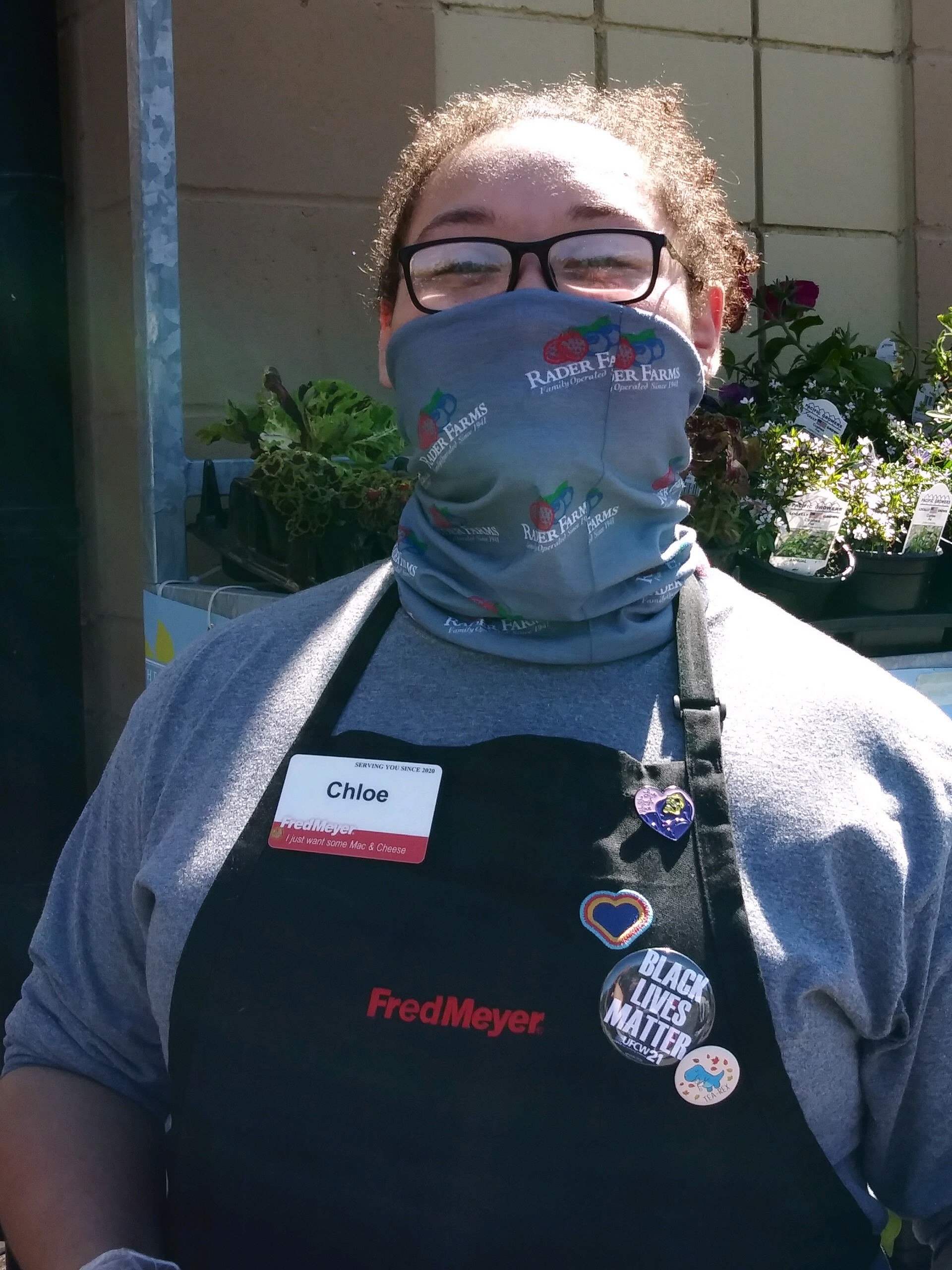
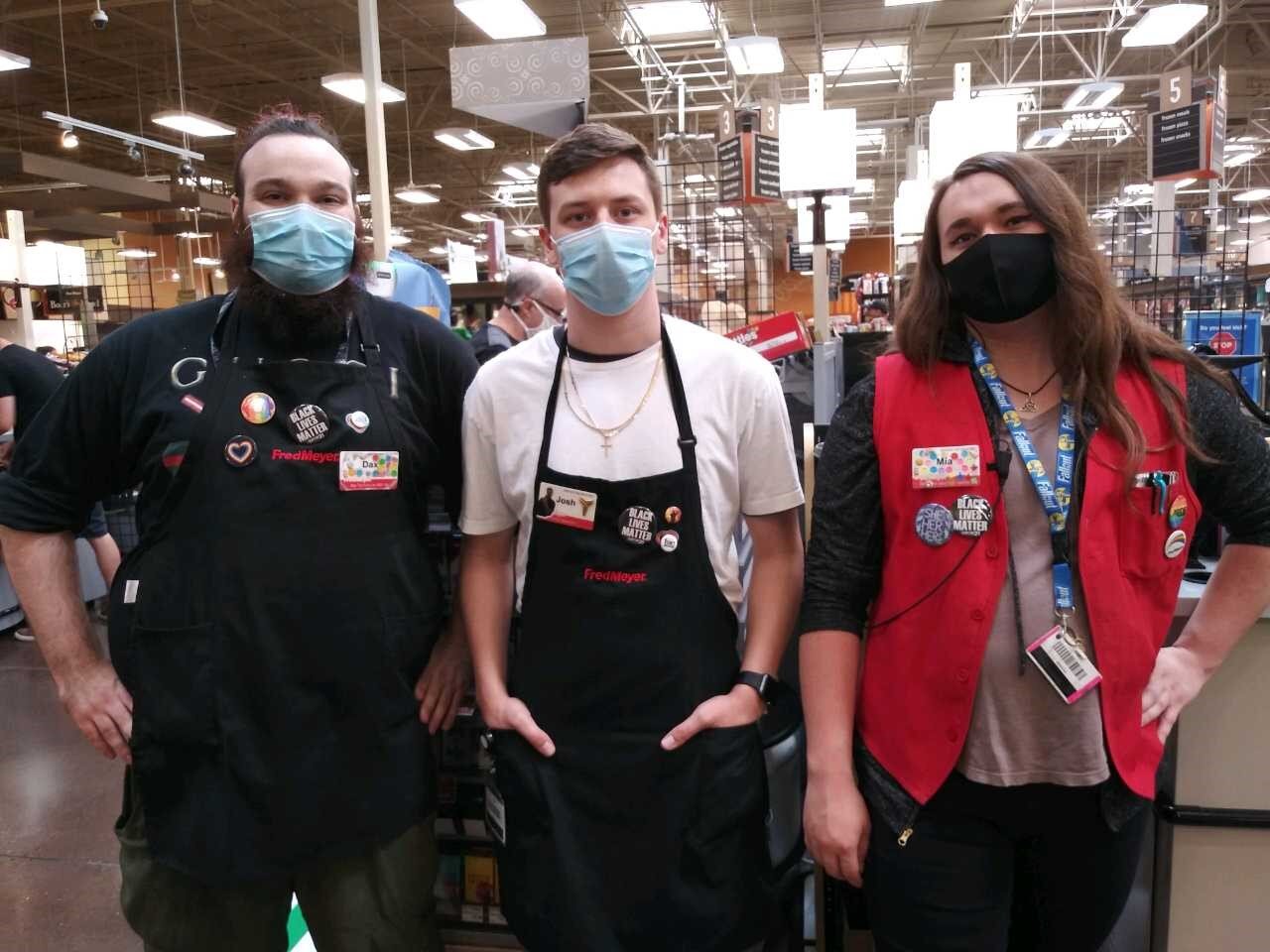
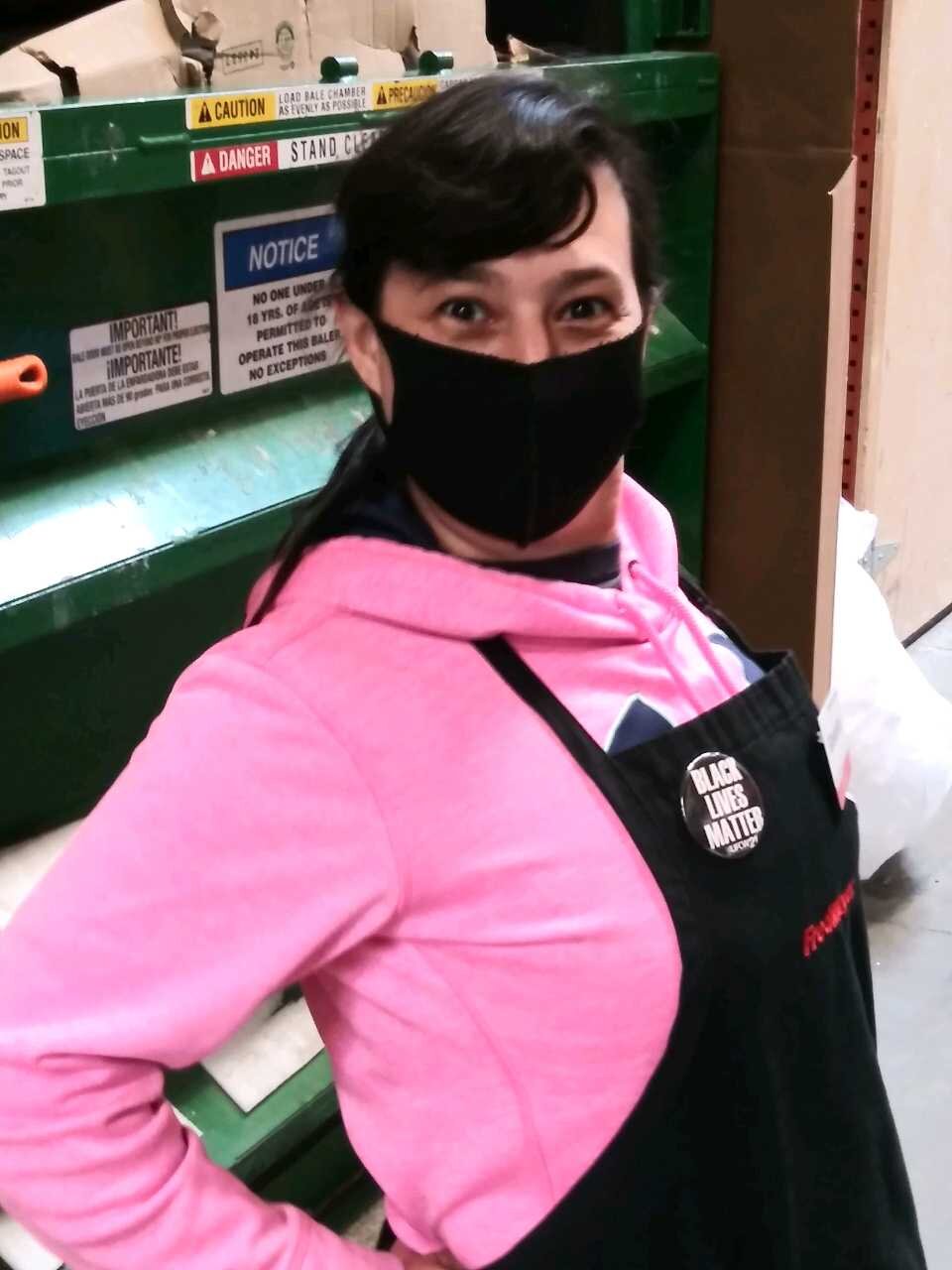
Seattle, WA -- Region 19 of the National Labor Relations Board has informed UFCW 21 of its finding that Fred Meyer and QFC – both Kroger companies – violated federal labor law when it prohibited workers from wearing union-sponsored Black Lives Matter buttons.

Specifically, Region 19 found merit in UFCW 21’s charges that Kroger violated the law by: 1) failing to bargain with the Union over a change in workplace conditions – in this case the practice of allowing the wearing of buttons at work; and 2) prohibiting workers from taking action together – in this case, by wearing Black Lives Matter messages – to protest racism in the workplace and in society, generally.

Region 19 will now seek a settlement agreement with Kroger, which would likely require a change to company policy. If a settlement cannot be reached, Region 19 would typically issue a formal complaint and a trial would be held before an Administrative Law Judge, whose ruling would be subject to an appeal to the NLRB in Washington D.C.

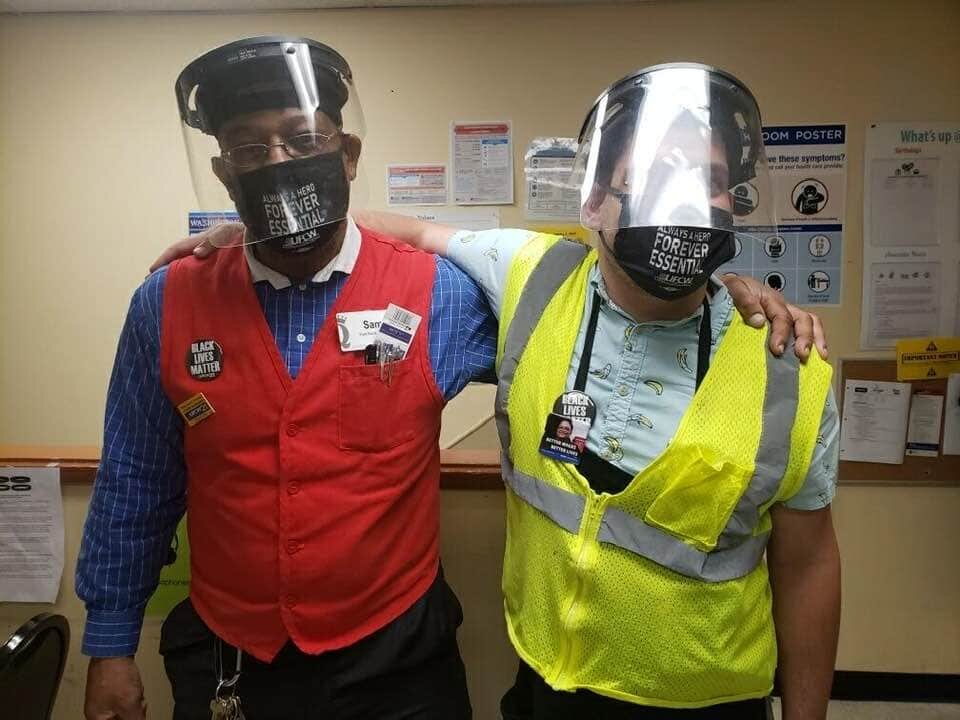
“This is very uplifting. When workers were trying to speak out through these buttons and collectively say Black Lives Matter and Kroger said to take the buttons off, that was an insult. This decision is welcome news in our work to bring attention to social and racial injustice in the workplace and in our neighborhoods”, said Sam Dancy a Front End Supervisor at the Westwood Village QFC in West Seattle, WA.

Motoko Kusanagi, a Front End Checker at the University Village QFC in Seattle reacted, “We wore the pins because it seemed like the right thing to do. My coworkers showed me their pins happily, letting me know they stood in solidarity with me and my family. One of the core values of the store is inclusion, so we did not think “Black Lives Matter” was a radical statement for this business. The amount of pushback we received for such a small showing of support still sits wrong with me to this day. I’m glad we could fight back.”

UFCW 21 President Faye Guenther concluded, “In the wake of this welcome action by the NLRB, we are calling on Kroger to respect workers’ rights and take meaningful steps to address racial inequities in Kroger workplaces. Among other things, Kroger needs to do a better job of hiring and promoting African Americans at every level of the company and making it clear that it will not tolerate racism from customers or employees.”

Background

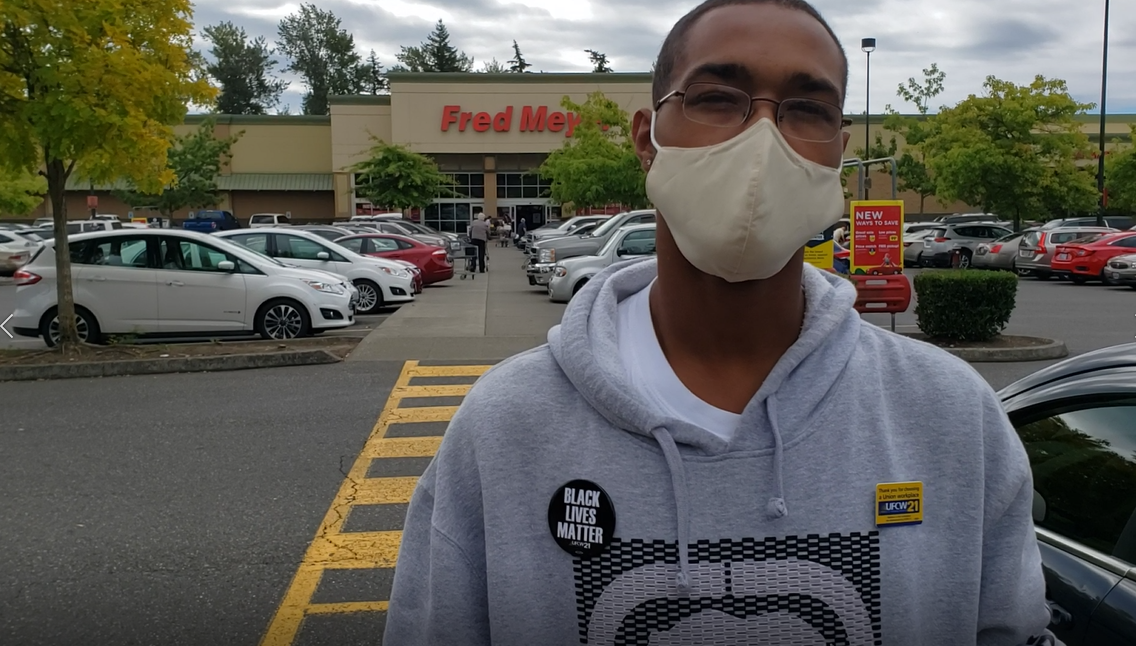
After Minneapolis police officer Derek Chauvin murdered George Floyd on May 25, 2020, many UFCW 21 members working in grocery and retail stores chose to express their opposition to racism by wearing face masks (otherwise worn for protection from COVID) or other items bearing the Black Lives Matter slogan.

Although Kroger issued public statements expressing sympathy with the Black Lives Matter movement, managers at Kroger-owned stores in Western Washington started ordering UFCW 21 members to remove Black Lives Matter masks in June 2020.

 UFCW 21 responded to the company’s Black Lives Matter ban by collaborating with Fred Meyer and QFC workers to distribute union-sponsored Black Lives Matter buttons with the UFCW 21 logo. When managers banned the Union buttons, UFCW 21 filed charges with the National Labor Relations Board. Kroger’s ban and the Union response received widespread local and national attention.

# - # - #

UFCW 21 represents over 46,000 workers at grocery stores, retail, health care and other industry jobs.


More Information on COVID-19 Vaccination Requirements for Health Care Workers in Washington

The Department of Health has issued a document with more information and Frequently Asked Questions about the state proclamation requiring health care workers and public employees to be vaccinated against COVID-19. We maintain our right to bargain over the impacts of this proclamation on health care workers and we continue to support vaccination as a key tool in fighting the spread of COVID-19 which is once again stressing our health care system to the limit. If you have any questions about how this proclamation affects you that aren’t answered by these documents, contact your Shop Steward or Union Rep.

Frequently Asked Questions

Find the full FAQ document from the Washington State Department of Health here.

What documentation do I need to provide to prove my vaccination status?

If you work in a health care setting, you must provide proof of full vaccination against COVID-19 to the operator of that health care setting. Acceptable proof includes one of the following:

  • CDC COVID-19 Vaccination Record Card or photo of the card

  • Documentation of vaccination from a health care provider or electronic health record

  • State Immunization Information System record

  • WA State Certificate of COVID-19 Vaccination from MyIRmobile.com

Can I attest to being vaccinated in lieu of showing proof?

No. Personal attestation is not an acceptable form of verification of COVID-19 vaccination.

Is there any way to opt out of vaccination?

If you are entitled under applicable law to a disability-related reasonable accommodation or sincerely held religious belief accommodation, then you are exempt from the proclamation. If you are not entitled to an accommodation, then there is no way for a Health Care Provider to opt out of the vaccination requirement in the proclamation.

What happens if I can’t get the vaccine because I was infected with COVID-19 just prior to starting work?

If you are unable to comply with the requirement to be fully vaccinated by October 18 because (a) you were infected with COVID-19 in the weeks immediately preceding the deadline or (b) you had an adverse reaction to the first dose of the vaccine, talk the operator of the health care setting where you are working about their reasonable accommodation process.

Do private employers have to bargain with their unions since this is a government requirement?

Affected employers with workers represented by a union are to address the impacts of this proclamation in accordance with the provisions of any collective bargaining agreement between the parties.

Protections in Washington State for High-Risk Workers

NEW April 8, 2021: The proclamation protecting high-risk workers has been updated in the face of increased vaccination of Washington’s population, the length of the COVID-19 pandemic, and updates to the CDC’s categories of at-risk people. The information on this page has been updated to reflect the new modifications to these protections.

Governor Inslee has issued and extended a proclamation protecting working people who may be at higher risk for serious illness or complications from COVID-19. This proclamation is in effect through the end of Washington’s state of emergency, or until otherwise amended or rescinded. There is no set date for the expiration of these protections.

Workers who are covered by this proclamation are called “high risk employees,” and the term means anyone defined by the Centers for Disease Control as being more likely to get severely ill from COVID-19, as outlined on the CDC’s website listing risk factors and medical conditions that current science says may make someone more likely be hospitalized, need intensive care, require a ventilator to breathe, or even die if they were to contract COVID-19. Click the button below for the CDC’s list of these conditions.

In Washington State, your employer is required to provide accommodations to you at work that protect you from risk of exposure to COVID-19 if you are a high-risk employee and you request accommodations. These accommodations can include, but are not limited to: 

  • telework

  • alternative or remote work locations 

  • reassignment 

  • social distancing measures 

If your employer determines that an alternative work arrangement is not feasible for you, they must permit you to use all your available accrued leave options or unemployment insurance, in any sequence and at your discretion, and they cannot retaliate against you for doing so. If you use up your paid time off, your employer still cannot permanently replace you at work for exercising your rights under this proclamation.

Effective April 23, 2021, your employer can require medical verification to confirm you are covered under these protections. According to the Governor’s new order, they are required to follow the same interactive process required by state and federal disability laws, which means you should have a reasonable amount of time to respond. You or your employer can start the process of providing medical verification as soon as April 9, 2021, but your employer can’t mandate that you start this process before April 23, 2021.

Also effective April 23, 2021, your employer does not have to maintain your employer-related health insurance benefits unless you are otherwise eligible for Family Medical Leave Act (FMLA) status or an extension of your benefits is covered by your contract or other condition of employment.

If your employer wishes to terminate your health benefits or change your alternative work arrangement, they must give 14 days notice in writing. They are still required to utilize all available options for alternative work assignments to protect you from exposure to COVID-19 if you are a high-risk worker and you request protections. These protections are in effect for both public- and private-sector workers. There are no exceptions.

If you would like to exercise your rights under this proclamation, and your employer doesn’t allow you to do so, connect with your Union Rep for help.

UNEMPLOYMENT ELIGIBILITY

Worker successfully made the case for some updates to our state’s unemployment insurance system, and that has included making high-risk workers’ eligibility for unemployment insurance during public health emergencies like the COVID-19 pandemic part of state law. Thank you to the workers who fought for these protections and the lawmakers who listened. Read more about this state law here.

As of April 4, 2021, an unemployed person who has left work voluntarily and is high risk or lives with someone who is high risk is eligible for unemployment benefits in our state. Speak with your Union Rep to discuss your options for workplace accommodations that will protect you and unemployment insurance benefits if you are on leave.

Scroll down for a list of answers to Frequently Asked Questions on our state’s high-risk worker protections and a list of health conditions that may put you at higher risk for serious COVID-19 complications.

Further Reading:


Frequently Asked Questions About High-Risk Worker Protections

You can find the state’s answers to Frequently Asked Questions, updated to reflect the changes made in April 2021, by clicking here.

Are health care workers, essential workers, or any other category of workers excluded from these protections?

No. There are no exclusions. Regardless of your job, if your health care provider determines you are a high-risk employee, your employer must offer you accommodations and protections under this proclamation.

What kind of verification do i need to provide to my employer to show that I am a high-risk employee?

Your employer can require medical verification from a health care provider who assesses your medical condition, vaccination status, and the circumstances of your job or workplace to determine whether you are high risk and whether you can return to the workplace with additional accommodations to protect you from exposure. If your employer is not accepting documentation you think is sufficient, contact your Union Rep for support.

Can my employer contact my doctor or health care provider without my permission?

No. Providing your employer with documentation of your status as a high-risk employee does not give a health care provider the right to share further information about your health with your employer, unless you have given them explicit permission to do so. (If you signed a document releasing your medical information, check carefully to see what it allows your provider to share.) Sharing medical information without your consent could be a violation of the Health Insurance Portability and Accountability Act (HIPAA), and if it happens you should contact your Union Rep to determine next steps that protect your privacy and your right to accommodations.

If my employer offers accommodations that I don’t think are good enough to keep me safe, do I have to accept them anyway?

No, you have a say in what accommodations are safe for you. The governor’s proclamation says decisions about this “cannot be left solely to the employer.” Again, if your employer is not offering acceptable accommodations, talk to your Union Rep.

My employer wants me to telework, but I would rather take leave. Can I do that?

You may be able to choose leave instead of telework, but it’s not a guarantee. You should request what you think is safe and fair, and get support from your Union Rep to make it happen if your employer refuses to accommodate you. The state has asked employers to be flexible with employees and respect requests for leave, and gives you a say in what you consider safe. Your employer may be able to argue that telework is appropriate.

can my employer force me to return to work if i am vaccinated, or because i have been working from home or on leave for a certain period of time?

If your medical provider has verified that you are a high-risk employee and should not return to the workplace, your employer cannot require you to return by threatening to terminate your position, and they must continue to provide you with accommodations that protect you against exposure to COVID-19.

What kinds of paid leave can I use if my employer can’t protect me from exposure at work?

You can use any accrued leave you have, including vacation, sick, compensatory time, exchange time, personal holiday, or federal Emergency Paid Sick Leave. You can also use Unemployment Insurance during your time away from work, even though your employer is not allowed to permanently replace you.

How do I use Unemployment Insurance for this purpose?

When you file for unemployment, your employer should provide the state’s Employment Security Department with appropriate documentation to support your unemployment claim. If you need help applying for unemployment, contact your Union Rep or get in touch with our partners at the Unemployment Law Project.

Do I have to use all my accrued leave first before filing for unemployment?

No. Under this proclamation, workers in high-risk categories are allowed to use accrued leave or unemployment insurance in any order and at your discretion. Your employer cannot force you to use up your accrued leave before you file for unemployment.


CDC List of Potentially Higher-Risk Conditions

The CDC has altered the way they categorize the risk factors and medical conditions that can put people at increased risk for severe illness if they were to contract COVID-19. There is no longer a distinction between “at increased risk” or “might be at increased risk.” Instead, they list all health conditions or health histories that current science says may contribute to a person’s higher risk of COVID complications, and they provide links to the science they rely on to make these decisions. The CDC list is regularly updated, and includes a link at the top of the page so you can see the last time they made an edit to their list. As of April 13, 2021, here are some of the health conditions that are included:

  • Cancer or a history of cancer

  • Chronic lung or kidney disease

  • Dementia or other neurological conditions

  • Diabetes

  • Down syndrome

  • Heart conditions

  • HIV

  • Weakened immune system (being immunocompromised)

  • Liver disease

  • Body Mass Index over 25 (being overweight or obese)

  • Pregnancy

  • Sickle cell disease or thalassemia

  • Being a current or former smoker

  • Solid organ or blood stem cell transplant

  • Stroke or cerebrovascular disease

  • Substance use disorders (such as alcohol, opioid, or cocaine use disorder)